





Embarking on a career switch can be both daunting and exhilarating like the quote. A well-crafted resume is your passport to a new career. It’s your chance to showcase your transferable skills, bridge experience gaps, and land your dream job. This blog will equip you with essential resume writing hacks that will empower you to make a successful career transition in 2026 and beyond.
Challenges of Writing a Resume for a Career Switch
- Identifying transferable skills that are relevant to the new career.
- Addressing experience gaps and explaining career transitions.
- Tailoring a resume to specific job descriptions and industry keywords.
Identifying Transferable Skills and Highlighting Their Relevance
Transferable skills are abilities and knowledge that can be applied across different industries and job roles. Examples include communication, problem-solving, teamwork, and adaptability. To identify your transferable skills, reflect on your past experiences and accomplishments. Consider the skills you used in various roles, projects, and volunteer activities. Once you’ve identified your transferable skills, highlight them prominently in your resume, especially in the skills section and throughout your experience descriptions. Use specific examples to demonstrate how you’ve applied these skills in different contexts.
Crafting a Compelling Career Summary to Explain Your Transition
Your career summary is a critical section at the top of your resume that provides a concise overview of your experience and career goals. When transitioning careers, use this space to explain your reasons for the switch and highlight how your skills and experience align with the new career path. Clearly state your new career objective and how your previous experiences have prepared you for this transition. Keep your career summary brief, around 2-3 sentences, and tailor it to each job you apply for.
Addressing Experience Gaps with Creative Storytelling
Experience gaps are common during career transitions. However, you can use your resume to address them in a positive and proactive manner. Instead of simply listing your employment history, use storytelling techniques to explain your career journey and any gaps. For example, if you took time off to care for family, highlight the skills you developed during that time, such as time management, organization, and communication. Or, if you pursued additional education or training, explain how it has enhanced your qualifications for the new career.
Leveraging ResumeGemini’s Customizable Templates for Career Changers
ResumeGemini offers a range of customizable resume templates specifically designed for career changers. These templates provide a structured framework to help you highlight your transferable skills and experience gaps. With ResumeGemini’s easy-to-use interface, you can quickly create a professional and visually appealing resume that showcases your strengths. Simply choose a template, add your content, and preview your resume in real-time. You can also utilize ResumeGemini’s vast library of pre-built resume samples to get inspiration and see how others have successfully transitioned careers. ResumeGemini’s resume samples are categorized by industry and job title, so you can easily find examples that align with your new career aspirations.
Networking and Getting Your Resume Noticed
Networking and getting your resume noticed is essential for a successful career transition. Attend industry events, join professional organizations, and connect with individuals in your target career field. Use LinkedIn to build your professional network and reach out to potential employers. When networking, be proactive and prepared to share your elevator pitch, a brief and compelling summary of your skills and career goals. Additionally, consider creating an online portfolio to showcase your work and demonstrate your Fähigkeiten.
Career Expert Tips:
- Select the ideal resume template to showcase your professional experience effectively.
- Master the art of resume writing to highlight your unique qualifications and achievements.
- Checkout the resume writing tips for guidance and best practices.
- Make your 2025 brighter with a new job. Build a powerful resume with ResumeGemini and save big, enjoy exclusive discounts on premium templates.
Frequently Asked Questions (FAQ’s)
What are the key challenges in writing a resume for a career switch?
Embarking on a career switch can present several challenges when crafting your resume. Firstly, you need to effectively communicate your transferable skills, demonstrating how your experience and expertise from your previous career can be valuable in your new field. Secondly, addressing experience gaps can be a delicate task, requiring a strategic approach. Finally, tailoring your resume to align with specific industries and job roles is crucial to showcase your qualifications and relevance to potential employers.
How can I effectively demonstrate my transferable skills in my resume?
Highlighting your transferable skills is vital in a career switch resume. Start by identifying the most relevant skills for your target role and industry. Focus on quantifying your accomplishments and providing specific examples of how you applied these skills in your previous positions. Use action verbs to emphasize your contributions and consider incorporating keywords from the job description to improve your resume’s visibility for applicant tracking systems (ATS).
What is the best way to explain experience gaps in my resume?
Addressing experience gaps with honesty and transparency is essential. If you took time off for personal reasons, such as family care or travel, briefly mention this in your resume summary or cover letter. For extended gaps, consider highlighting relevant skills and knowledge you acquired during this period through coursework, volunteer work, or self-directed learning. Emphasize transferable skills and how they can benefit the new role.
How do I tailor my resume to specific industries and job roles?
Tailoring your resume to each job application demonstrates your interest and understanding of the industry and position. Research the company and industry to identify relevant keywords and incorporate them into your resume. Study the job description carefully, paying attention to specific requirements and qualifications. Highlight your skills and experiences that align with the job’s demands, using specific examples to showcase your abilities.
What additional resources can I access to enhance my resume for a career switch?
Consider seeking professional guidance from a resume writer or career counselor. They can provide valuable insights, help identify transferable skills, and assist in tailoring your resume to specific job roles. Utilize online resume builders and templates that offer industry-specific guidance and examples. Attend industry events and webinars to stay informed about industry trends and network with professionals in your target field.
How can ResumeGemini help me with my career switch resume?
ResumeGemini is an invaluable tool for crafting a compelling career switch resume. Our platform provides a vast selection of ATS-friendly templates, enabling you to create a professional and visually appealing resume. Our resume builder guides you through a step-by-step process, ensuring inclusion of all essential elements. With over 3.6 million content examples, you can find inspiration and guidance for effectively presenting your transferable skills and experience.
Next Step:
Unlock your career switch potential by utilizing ResumeGemini’s comprehensive suite of resume-building tools. Our platform empowers you to create a tailored resume that highlights your transferable skills, bridges experience gaps, and positions you for success in your new career. Visit ResumeGemini today, where your dream job awaits!
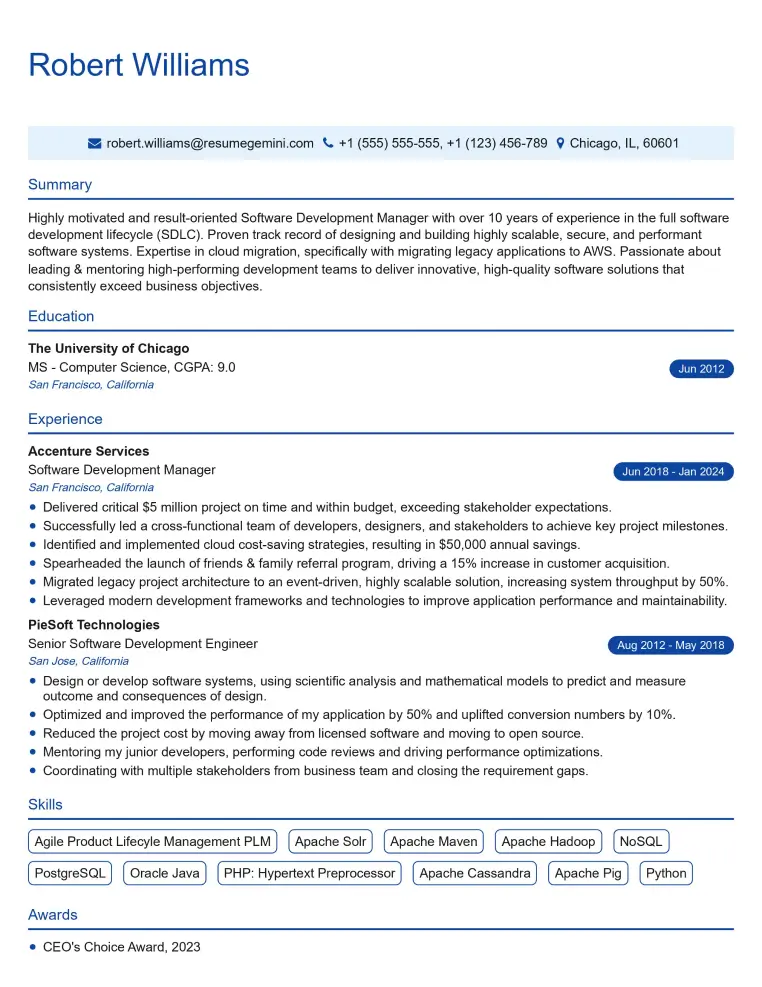
Elevate your job search with our premium resume templates. Here is an amazing resume template that can be used to build a professional and elegant resume. You can build a resume from scratch or revamp your existing resume. Impress hiring managers and secure your next opportunity.
- Top 50 Most Common Interview Questions
- The Psychology of a Great Resume: Hacks to Impress Recruiters
- What Mistakes to Avoid When Writing a Resume: A Comprehensive Guide
- Elevate Your Career with Expert Resume Building: Introducing ResumeGemini
- How to Write a Resume Using Google Gemini: Step-by-Step Guide