





Congratulations on securing an interview! You’re one step closer to landing your dream job. To help you ace your interview and leave a lasting impression, we’ve compiled a comprehensive guide to the most frequently asked interview questions in 2026, along with expert answers to guide you. Whether you’re a recent graduate or an experienced professional, this guide will provide you with the insights and confidence you need to dominate your next interview.
Common Behavioral Interview Questions
Behavioral interview questions focus on your past experiences and how you’ve handled specific situations. They’re designed to assess your skills, abilities, and how you might fit into the company culture. Here are some common behavioral interview questions and tips on how to answer them effectively:
- Tell me about a time you failed.
Tip: Focus on a specific failure that taught you a valuable lesson. Explain what went wrong, what you learned from the experience, and how you’ve applied that learning to future situations.
- Describe a time you had to overcome a challenge.
Tip: Choose a challenge that showcases your problem-solving skills, resilience, and ability to work under pressure. Explain the steps you took to overcome the challenge and the results you achieved.
- Tell me about a time you worked effectively in a team.
Tip: Highlight your ability to collaborate, communicate, and contribute to a team effort. Provide specific examples of how you’ve worked effectively in a team environment.
Technical Questions Tailored to Your Industry
Technical questions are specific to your industry and role. They’re designed to assess your knowledge, skills, and abilities related to the position you’re applying for. Here are a few tips for answering technical questions:
- Research the industry and specific role. This will help you understand the technical requirements and expectations.
- Practice answering common technical questions. This will boost your confidence and help you articulate your answers clearly.
- Use specific examples to demonstrate your skills. When answering technical questions, provide concrete examples of how you’ve applied your knowledge and skills in real-world situations.
Questions to Ask the Interviewer
Asking thoughtful questions at the end of the interview shows that you’re engaged, interested, and eager to learn more about the position and company. It also gives you an opportunity to clarify any information and demonstrate your enthusiasm for the role. Here are a few tips for asking questions:
- Prepare questions in advance. This will prevent you from being caught off guard and ensure that you ask meaningful questions.
- Personalize your questions. Tailor your questions to the specific role and company you’re interviewing with.
- Be professional and respectful. When asking questions, maintain a polite and professional demeanor.
Challenging Questions and How to Respond
Some interviewers may ask challenging questions to test your composure, critical thinking, and problem-solving abilities. Here are a few common challenging questions and tips on how to respond:
- Why should we hire you?
Tip: Highlight your unique skills, experiences, and qualifications that make you the best candidate for the job. Explain how you can add value to the company and why you’re passionate about the role.
- What are your weaknesses?
Tip: Be honest and self-aware, but focus on weaknesses that are not essential to the role. Explain how you’re working to improve your weaknesses and provide specific examples of how you’ve overcome them in the past.
- What are your salary expectations?
Tip: Research industry benchmarks and your own worth to determine a reasonable salary range. Be prepared to justify your expectations and negotiate if necessary.
Preparing Your Own Questions to Show Engagement
Asking well-thought-out questions at the end of an interview demonstrates your interest in the role and the company. Here are a few examples of questions you can ask to show your engagement:
- Can you describe the day-to-day responsibilities of this role?
- What are the company’s long-term goals and how does this position contribute to them?
- What opportunities are there for professional development and career advancement within the company?
Tips for Virtual and Phone Interviews
In the age of technology, virtual and phone interviews have become increasingly common. Here are a few tips to help you succeed in these types of interviews:
- Dress professionally and ensure your surroundings are clean and well-lit.
- Test your technology in advance. Make sure your camera, microphone, and internet connection are working properly.
- Practice your answers to common interview questions and prepare your own questions.
Following Up After the Interview
After the interview, it’s important to follow up with the interviewer. Here are a few tips on how to follow up effectively:
- Send a thank-you note within 24 hours of the interview. Express your appreciation for the interviewer’s time and reiterate your interest in the position.
- If you haven’t heard back within a week, follow up with the interviewer via email or phone. Be polite and inquire about the status of your application.
Ready to create a resume that will help you land your dream job? Visit ResumeGemini today. Our ATS-friendly resume builder will help you create a professional and eye-catching resume that will get noticed. With over 3.6 million content examples and 60 unique template options, you’re sure to find the perfect resume that will make you stand out from the competition.
Career Expert Tips:
- Select the ideal resume template to showcase your professional experience effectively.
- Master the art of resume writing to highlight your unique qualifications and achievements.
- Checkout the resume writing tips for guidance and best practices.
- Make your 2025 brighter with a new job. Build a powerful resume with ResumeGemini and save big, enjoy exclusive discounts on premium templates.
Frequently Asked Questions (FAQs)
What are the most common behavioral interview questions?
Behavioral interview questions are designed to assess your past performance and behaviors in specific situations, providing insights into how you might behave in similar situations in the future. Common behavioral interview questions include:
- Tell me about a time when you had to overcome a significant challenge or obstacle.
- Describe a situation where you had to work effectively as part of a team.
- Give me an example of a time when you had to adapt to a changing situation or environment.
- Tell me about a time when you had to manage multiple priorities and meet deadlines.
- Give me an example of a time when you received constructive criticism and how you responded to it.
How do I prepare for technical interview questions?
Preparation is key for technical interview questions. Start by reviewing the job description and researching the company’s products or services to identify relevant technologies and skills. Practice solving common coding problems and algorithms. Consider taking online courses or bootcamps to enhance your technical knowledge. Additionally, prepare questions to ask the interviewer to demonstrate your interest and understanding of the role.
- Practice coding problems on platforms like LeetCode and HackerRank.
- Review data structures and algorithms concepts.
- Study system design principles and best practices.
- Research the company’s technology stack and industry trends.
- Prepare questions to ask the interviewer about the role and team.
What questions should I ask the interviewer?
Asking thoughtful questions at the end of an interview demonstrates your interest and engagement. Prepare questions that show you’ve researched the company and position, such as:
- Can you provide more details about the day-to-day responsibilities of this role?
- What are the biggest challenges facing the team currently?
- How does the company promote work-life balance and professional development?
- What are the company’s goals for the next year, and how will this role contribute to those goals?
- Is there anything else I can provide to help you make a decision?
How do I answer challenging interview questions?
Challenging interview questions can be an opportunity to showcase your resilience and problem-solving abilities. Approach these questions calmly and confidently:
- Take a moment to pause and collect your thoughts.
- Repeat the question to ensure you understand it correctly.
- Draw upon specific examples from your past experiences to support your answer.
- Quantify your accomplishments using numbers and metrics whenever possible.
- Be honest and upfront about any limitations or areas for improvement.
What are the best ways to prepare for virtual or phone interviews?
Virtual and phone interviews require specific preparation to ensure a successful experience:
- Choose a quiet and well-lit location with minimal distractions.
- Test your technology (camera, microphone, internet connection) beforehand.
- Dress professionally, even from home.
- Establish eye contact by looking directly into the camera.
- Speak clearly and at a moderate pace.
How do I follow up after an interview?
Following up after an interview shows your continued interest in the position. Send a thank-you note within 24 hours, reiterating your key qualifications and expressing your appreciation for the opportunity. Additionally, consider reaching out to the interviewer a week or two later to check on the status of your application.
- Send a personalized thank-you note to the interviewer within 24 hours.
- Reiterate your interest in the position and highlight your relevant skills and experience.
- Follow up via email or phone a week or two later to inquire about the status of your application.
- Be polite and professional in your follow-up communications.
What are the biggest interview mistakes to avoid?
Avoiding common interview mistakes can significantly improve your chances of success:
- Arriving late or unprepared.
- Dressing inappropriately.
- Failing to research the company and position.
- Giving vague or irrelevant answers.
- Speaking negatively about previous employers or colleagues.
- Dominating the conversation or interrupting the interviewer.
How do I stay calm and confident during an interview?
Staying calm and confident during an interview is essential for making a positive impression. Here are some tips:
- Prepare thoroughly to boost your confidence.
- Practice answering interview questions out loud.
- Visualize yourself succeeding in the interview.
- Arrive at the interview location early to reduce stress.
- Take deep breaths and focus on staying present during the interview.
- Maintain good posture and make eye contact.
Next Step:
With our comprehensive guide and ResumeGemini’s suite of resume-building tools, you’re well-equipped to ace your next job interview. Create a standout resume that effectively showcases your skills and experience, and prepare confidently for the interview questions that await you. Take the next step today and increase your chances of landing your dream job!
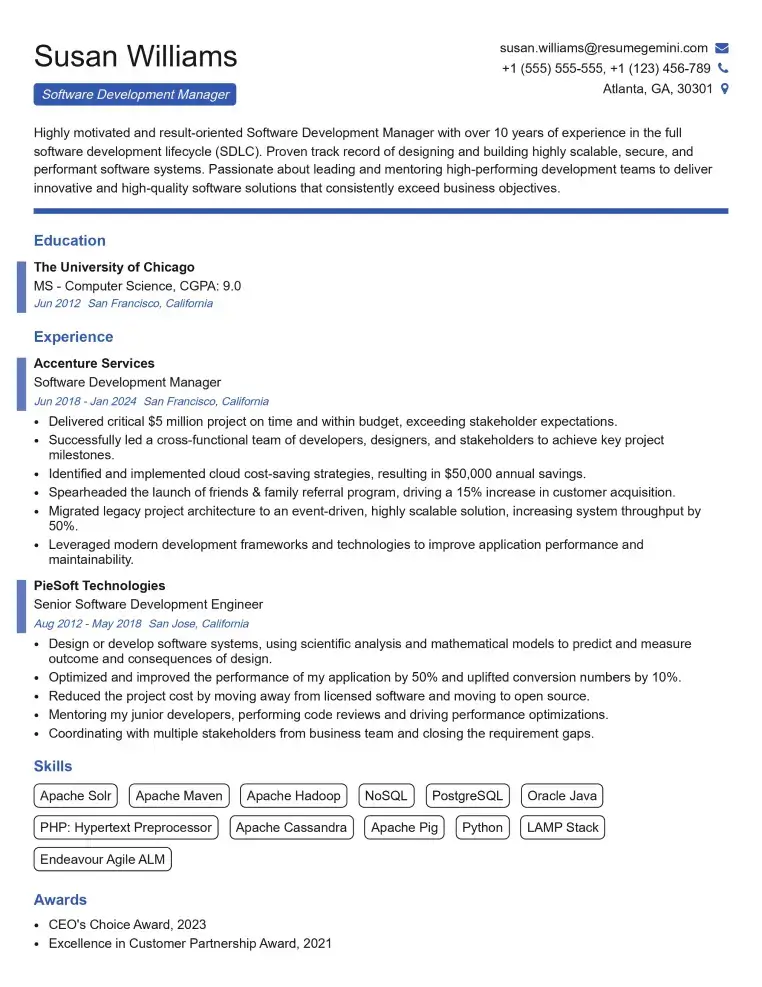
Elevate your job search with our premium resume templates. Here is an amazing resume template that can be used to build a professional and elegant resume. You can build a resume from scratch or revamp your existing resume. Impress hiring managers and secure your next opportunity.
- Top 50 Most Common Interview Questions
- The Psychology of a Great Resume: Hacks to Impress Recruiters
- What Mistakes to Avoid When Writing a Resume: A Comprehensive Guide
- Elevate Your Career with Expert Resume Building: Introducing ResumeGemini
- How to Write a Resume Using Google Gemini: Step-by-Step Guide