





A mid-career switch can be an exciting and daunting prospect. You’ve spent years honing your skills and building your experience, but now you’re ready for a change. But how do you make the leap to a new industry or a completely different role? One important step is to revamp your resume to reflect your new career goals. Here are five unconventional strategies to help you create a resume that will make you stand out in a mid-career transition:
Addressing the Career Shift: Explaining Your Transition Motivation
It’s important to be upfront about your career change in your resume. Don’t try to hide it or downplay it. Instead, use your resume to explain your motivation for the transition and highlight the skills and experience that make you qualified for your target roles.
- In your resume summary or objective statement, briefly explain your career change and your reasons for pursuing it.
- In your work experience section, emphasize the skills and experiences that are relevant to your new career goals. If you have any transferable skills, be sure to highlight them.
Highlighting Transferable Skills: Translating Your Past Experience to New Roles
Even if you’re making a major career change, it’s likely that you have some transferable skills that you can bring to your new role. Transferable skills are skills that can be applied to multiple different jobs and industries. For example, if you’re a project manager in the healthcare industry, you could transfer your skills to a project management role in the tech industry.
- Make a list of your skills and identify which ones are transferable to your new career goals.
- Highlight your transferable skills in your resume summary or objective statement, your work experience section, and your skills section.
- Use keywords in your resume that are relevant to your target industry and roles. This will help your resume get noticed by recruiters and hiring managers.
Leveraging Keywords: Tailoring Your Resume to Your Target Industry
When you’re applying for jobs in a new industry, it’s important to tailor your resume to each specific role. This means using keywords that are relevant to the industry and the specific job you’re applying for. You can find keywords by reading job descriptions and researching the industry.
- Use keywords in your resume summary or objective statement, your work experience section, and your skills section.
- Be specific in your use of keywords. For example, instead of saying “I have experience in project management,” you could say “I have experience in managing large-scale software development projects.”
- Use ResumeGemini’s Word Cloud feature to see which keywords are most frequently used in your resume. This can help you identify areas where you can add more keywords.
Quantifying Accomplishments: Demonstrating Your Impact and Value
When you’re describing your accomplishments on your resume, it’s important to quantify them whenever possible. This will help you to demonstrate your impact and value to potential employers.
- Use numbers to quantify your accomplishments. For example, instead of saying “I managed a team of software engineers,” you could say “I managed a team of 10 software engineers and led them to deliver a new product that increased revenue by 15%.”
- Use specific metrics to measure your accomplishments. For example, instead of saying “I improved customer satisfaction,” you could say “I improved customer satisfaction by 20% by implementing a new customer service process.”
- Use action verbs to describe your accomplishments. This will help your resume to be more engaging and dynamic.
Networking and Referrals: Building Connections for Career Exploration
Networking is an essential part of any job search, but it’s especially important for mid-career professionals. Networking can help you to learn about new opportunities, get your resume in front of hiring managers, and get valuable advice from people who have been in your shoes.
- Attend industry events and meetups to connect with potential employers and other professionals in your field.
- Reach out to your former colleagues, friends, and family members to see if they know of any opportunities.
- Use social media to connect with potential employers and learn about new opportunities.
Career Expert Tips:
- Select the ideal resume template to showcase your professional experience effectively.
- Master the art of resume writing to highlight your unique qualifications and achievements.
- Checkout the resume writing tips for guidance and best practices.
- Make your 2025 brighter with a new job. Build a powerful resume with ResumeGemini and save big, enjoy exclusive discounts on premium templates.
Frequently Asked Questions (FAQ’s)
How do I explain my career shift to potential employers?
Be honest and upfront: Clearly state your reasons for the career change and how it aligns with your skills and career goals.
Highlight transferable skills: Focus on the skills and experiences from your previous career that are relevant to the new field.
Showcase your passion: Express your enthusiasm for the new career and provide examples of how you have been preparing for the transition.
Provide evidence: Include specific examples of projects, courses, or volunteer work that demonstrate your abilities in the new field.
What are transferable skills, and how can I identify them in my experience?
Transferable skills are those that are applicable to multiple roles and industries. To identify them, consider:
Hard skills: Technical abilities such as software proficiency, language fluency, or data analysis.
Soft skills: Interpersonal abilities such as communication, teamwork, problem-solving, and adaptability.
Examples of transferable skills:
| Hard Skills | Soft Skills |
|---|---|
| Project Management | Communication |
| Data Analysis | Teamwork |
| Software Development | Problem-Solving |
How important are keywords in a resume for a mid-career transition?
Keywords are words or phrases that employers use to search for candidates. Including relevant keywords in your resume increases its visibility to recruiters.
How to identify keywords:
– Review job descriptions for the roles you’re targeting.
– Use online tools like LinkedIn’s Keyword Tool or Resume Builder’s Keyword Checker.
Incorporate keywords naturally: Avoid keyword stuffing. Instead, weave them into your resume’s content, such as your skills section, job descriptions, and summary.
How can I quantify my accomplishments to make them more impactful?
Use numbers and metrics: Quantifying your accomplishments provides concrete evidence of your impact.
Focus on results: Highlight the outcomes of your efforts rather than just describing your responsibilities.
Use specific examples: Provide detailed examples of projects or initiatives where you made a significant contribution.
Before: Managed a software development team.
After: Led a software development team that delivered 20% productivity increase through agile implementation.
What is the role of networking and referrals in a mid-career switch?
Networking:
– Attend industry events and meetups.
– Connect with professionals on LinkedIn and other social media platforms.
– Reach out to colleagues and former classmates.
Referrals:
– Ask your network for referrals to potential hiring managers.
– Emphasize your transferable skills and how they align with the role.
– Prepare a strong cover letter that highlights your value proposition.
How can I write a strong resume that reflects my mid-career transition?
Highlight your transferable skills: Emphasize the skills and experiences from your previous career that are relevant to the new field.
Showcase your adaptability: Demonstrate your willingness to learn new skills and adapt to new challenges.
Quantify your accomplishments: Use numbers and metrics to demonstrate the impact of your work.
Seek feedback: Ask trusted colleagues, career counselors, or friends to review your resume and provide feedback.
Use ResumeGemini: A professional resume builder with templates and examples tailored for mid-career transitions.
Next Step:
If you’re ready to revamp your resume for a mid-career switch, follow these 5 unconventional strategies: 5 Surprising Ways to Revamp Your Resume for a Mid-Career Switch
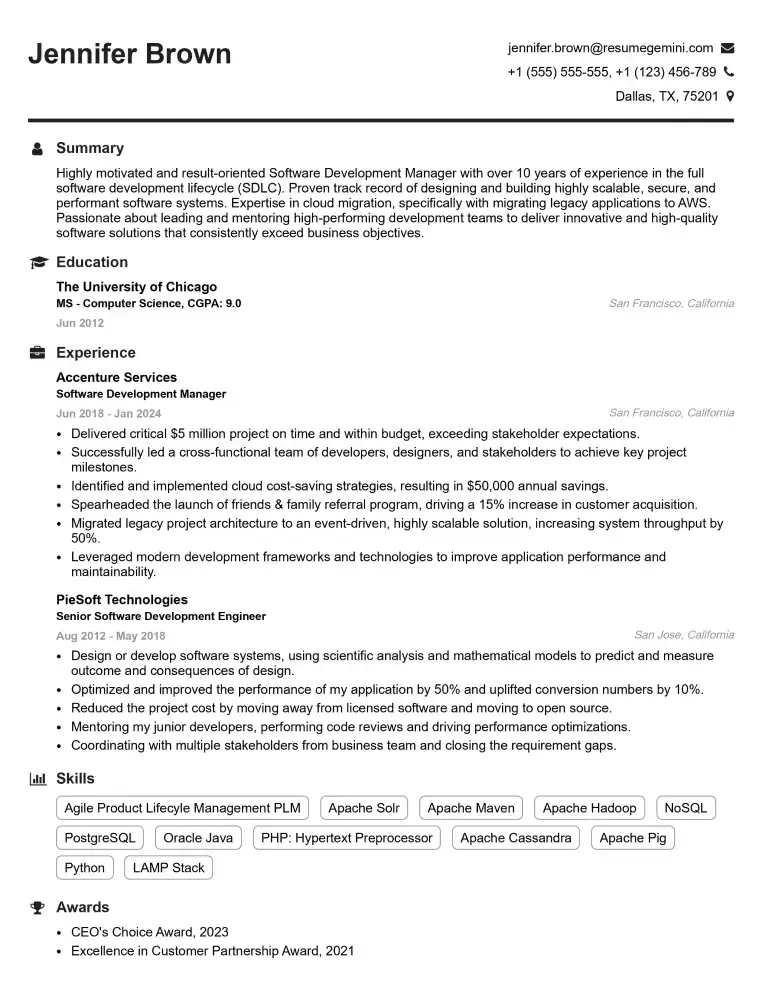
Elevate your job search with our premium resume templates. Here is an amazing resume template that can be used to build a professional and elegant resume. You can build a resume from scratch or revamp your existing resume. Impress hiring managers and secure your next opportunity.
- Top 50 Most Common Interview Questions
- The Psychology of a Great Resume: Hacks to Impress Recruiters
- What Mistakes to Avoid When Writing a Resume: A Comprehensive Guide
- Elevate Your Career with Expert Resume Building: Introducing ResumeGemini
- Crafting Your First Impression: How To Make Free Resume Online For Freshers