





As you embark on a thrilling career transition, crafting a resume that captivates potential employers and propels you toward your dream role is paramount. To ensure your resume shines, it’s crucial to sidestep common pitfalls that can hinder its effectiveness. Here’s a comprehensive guide to 10 resume mistakes you should avoid at all costs:
Mistake 1: Failing to Research the Target Industry
Thoroughly researching the industry you’re targeting is pivotal. Analyze job descriptions, company websites, and industry publications to discern the skills, experience, and qualifications that employers seek. This will empower you to tailor your resume specifically to the industry’s expectations.
Mistake 2: Not Tailoring Your Resume to the Job Description
Each job description is unique, outlining specific requirements and expectations. To maximize your chances of landing an interview, meticulously tailor your resume to match the keywords and qualifications outlined in the description. Use similar language and highlight relevant skills and experiences that align with the role.
Mistake 3: Focusing on Irrelevant Experience
While it’s tempting to list every job you’ve ever held, resist the urge to include irrelevant experiences that don’t contribute to your target industry or role. Instead, focus on highlighting experiences that showcase transferable skills and demonstrate your ability to excel in the new field.
Mistake 4: Neglecting to Include Transferable Skills
Transferable skills are those that can be applied across different industries and roles. They include skills like communication, problem-solving, and teamwork. Make sure to highlight these skills prominently on your resume, as they demonstrate your adaptability and value to potential employers.
Mistake 5: Using a Generic Resume Template
Using a generic resume template can make your resume look bland and unoriginal. Consider using a professional resume builder like ResumeGemini, which offers a wide range of customizable resume templates designed to make your resume stand out.
Mistake 6: Including Too Much Personal Information
While it’s important to provide basic contact information on your resume, avoid including excessive personal information such as your age, marital status, or hobbies. These details are generally not relevant to the hiring process and may raise concerns about discrimination.
Mistake 7: Making Grammatical and Spelling Errors
Grammatical and spelling errors can leave a negative impression on potential employers, casting doubt on your attention to detail and professionalism. Carefully proofread your resume multiple times or use a grammar checker to eliminate any errors.
Mistake 8: Not Proofreading Carefully Before Submitting
Once you’ve created your resume, take a step back and proofread it carefully for any errors. This includes checking for typos, formatting issues, and overall presentation. A polished and error-free resume shows that you take pride in your work and are detail-oriented.
Mistake 9: Missing a Strong Call to Action
Your resume should end with a strong call to action that encourages the employer to take the next step. This could be inviting them to contact you for an interview, visiting your LinkedIn profile, or reviewing your portfolio. A clear call to action makes it easy for potential employers to connect with you.
Mistake 10: Failing to Highlight Your Value Proposition
Throughout your resume, make sure to highlight your unique value proposition. What sets you apart from other candidates and makes you the ideal choice for the role? Clearly articulate your strengths, skills, and experiences that make you a valuable asset to the target industry.
With this essential guide in mind, you can craft a compelling resume that effectively communicates your skills and experience, maximizing your chances of success in your career transition. Remember, a well-written resume is a powerful tool that can open doors to new opportunities and empower you to achieve your career aspirations.
Career Expert Tips:
- Select the ideal resume template to showcase your professional experience effectively.
- Master the art of resume writing to highlight your unique qualifications and achievements.
- Checkout the resume writing tips for guidance and best practices.
- Make your 2025 brighter with a new job. Build a powerful resume with ResumeGemini and save big, enjoy exclusive discounts on premium templates.
Frequently Asked Questions (FAQ’s)
What are the most common mistakes people make when writing a career-changing resume?
When transitioning to a new career, it’s important to avoid common pitfalls that can hinder your chances of landing interviews. One of the most crucial aspects is crafting a resume that effectively highlights your transferable skills and aligns with the target industry’s expectations. Here are some common mistakes to watch out for:
- Failing to tailor your resume to the target industry: A generic resume that doesn’t showcase your relevant skills and experience for the specific industry you’re targeting will likely end up overlooked by potential employers.
- Lack of emphasis on transferable skills: Transferable skills are those that can be applied across various industries and roles. They encompass a wide range of abilities, from communication and problem-solving to project management and teamwork. Failing to highlight these skills on your resume can significantly reduce its effectiveness in showcasing your suitability for the new career path.
- Insufficient research: Before writing your career-changing resume, it’s essential to research the target industry and specific job roles you’re interested in. This will help you understand the required skills, experience, and qualifications, ensuring that your resume aligns with the expectations of potential employers.
- Overlooking industry-specific keywords: Most recruiters use applicant tracking systems (ATS) to screen resumes. ATS relies on keywords to identify relevant candidates. Including industry-specific keywords throughout your resume, especially in your skills section and job descriptions, can significantly increase the chances of your resume getting shortlisted.
How do I tailor my resume to different industries?
Tailoring your resume to different industries requires a strategic approach that involves highlighting relevant skills and experience while downplaying less relevant ones. Here’s a step-by-step guide:
- Research the target industry: Familiarize yourself with the industry’s trends, key players, and specific job requirements. LinkedIn, industry publications, and company websites can provide valuable insights.
- Identify transferable skills: Determine which of your skills are applicable to the target industry. Emphasize these skills in your resume summary, skills section, and throughout your work experience descriptions.
- Use industry-specific keywords: Incorporate keywords relevant to the target industry and specific job roles into your resume. Use these keywords in your skills section, job descriptions, and throughout your resume.
- Highlight relevant experience: Focus on showcasing experience that demonstrates your transferable skills and is relevant to the target industry. Use specific examples and quantify your accomplishments whenever possible.
- Consider additional sections: Depending on the industry and your background, consider adding additional sections to your resume, such as projects, certifications, or volunteer experience, that showcase your relevant skills and knowledge.
What is the best way to highlight transferable skills on my resume?
To effectively highlight transferable skills on your resume:
- Identify your transferable skills: Take inventory of your skills and identify those that are relevant to the target industry and job roles. Soft skills such as communication, problem-solving, and teamwork are often highly transferable.
- Incorporate them into your resume summary: Your resume summary is a powerful tool to showcase your most relevant skills. Briefly highlight your transferable skills and how they can benefit the target industry.
- Create a dedicated skills section: List your transferable skills in a dedicated skills section. Use a combination of hard and soft skills, and tailor the list to the target industry.
- Quantify your accomplishments: When describing your work experience, use specific examples and quantify your accomplishments whenever possible. This helps demonstrate the impact of your transferable skills. For instance, instead of saying “Managed projects,” you could say “Managed a team of 10 engineers, resulting in a 20% increase in project completion rate.”
How do I create a career-changing resume that stands out?
To create a career-changing resume that stands out, follow these best practices:
- Keep it concise and focused: Recruiters spend an average of 7 seconds reviewing a resume. Aim for a one-page resume that is easy to read and highlights your most relevant skills and experience.
- Use a professional template: A well-designed resume template can enhance the visual appeal and readability of your resume.
- Proofread carefully: Ensure your resume is error-free. Grammatical errors, typos, or formatting issues can damage your professional image.
- Tailor it to each job application: Take the time to tailor your resume to each job you apply for, highlighting the skills and experience most relevant to the specific role.
- Get feedback: Ask a trusted friend, family member, or career counselor to review your resume and provide feedback. Their insights can help you identify areas for improvement.
What are the key sections to include on a career-changing resume?
A well-crafted career-changing resume should include the following key sections:
- Contact information: Include your name, address, phone number, and professional email address.
- Resume summary or objective: Briefly highlight your career goals, relevant skills, and why you’re a suitable candidate for the target industry.
- Skills: List your transferable skills, technical proficiencies, and industry-specific keywords.
- Work experience: Describe your relevant work experience, quantifying accomplishments and highlighting transferable skills.
- Education: List your educational qualifications, including degrees, certifications, and any relevant coursework.
Additional sections: Depending on your background and the target industry, you may include additional sections such as projects, awards, volunteer experience, or languages.
What are some additional tips for writing a career-changing resume?
Consider these additional tips to enhance your career-changing resume:
- Use action verbs: Use strong action verbs to describe your accomplishments and responsibilities.
- Quantify your accomplishments: Whenever possible, use numbers to quantify your accomplishments and demonstrate your impact.
- Use keywords: Incorporate relevant keywords throughout your resume, especially in your skills section and job descriptions.
- Proofread carefully: Ensure your resume is free of errors in grammar, spelling, and punctuation.
- Get feedback: Ask a trusted friend, family member, or career counselor to review your resume and provide constructive criticism.
Next Step:
Crafting a compelling career-changing resume is crucial for a successful transition to a new path. By avoiding common pitfalls, tailoring your resume to the target industry, and highlighting your transferable skills, you can significantly increase your chances of landing interviews and securing your dream job.
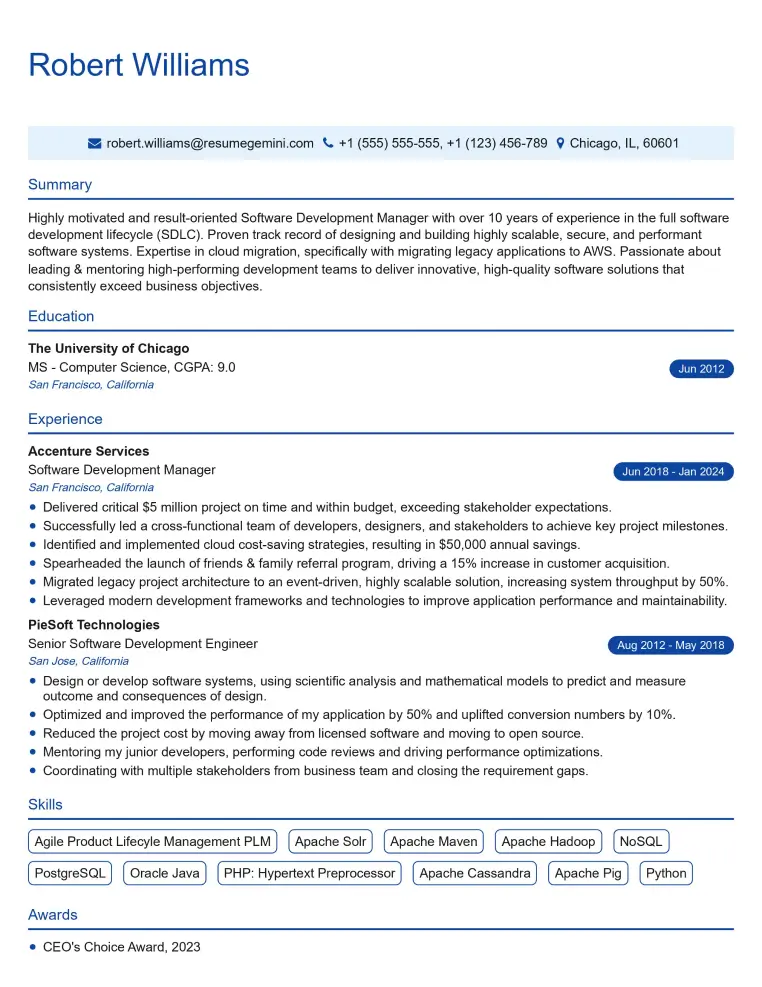
Elevate your job search with our premium resume templates. Here is an amazing resume template that can be used to build a professional and elegant resume. You can build a resume from scratch or revamp your existing resume. Impress hiring managers and secure your next opportunity.
- Top 50 Most Common Interview Questions
- The Psychology of a Great Resume: Hacks to Impress Recruiters
- What Mistakes to Avoid When Writing a Resume: A Comprehensive Guide
- Elevate Your Career with Expert Resume Building: Introducing ResumeGemini
- How to Write a Resume Using Google Gemini: Step-by-Step Guide