





Are you ready to embark on a new chapter in your career? If you’re like many professionals, you may find yourself considering a career switch. It’s a bold move, but one that can be incredibly rewarding. However, it’s crucial to ensure your resume stands out from the crowd and effectively communicates your value to potential employers.
Master the Art of Transferable Skills
The key to a successful career transition lies in identifying and highlighting transferable skills. These are skills that are applicable across different industries and roles, such as communication, problem-solving, and teamwork. By showcasing your transferable skills, you demonstrate to potential employers that you possess the core competencies necessary to succeed in your new field.
- Take inventory of your skills and experiences from previous roles.
- Identify skills that are relevant to your target industry, even if they were gained in a different context.
- Quantify your skills by providing specific examples and metrics whenever possible.
Quantify Your Soft Skills
Soft skills are often overlooked but are essential for career success. They encompass a wide range of abilities, including communication, interpersonal skills, and emotional intelligence. Employers value these skills highly, as they contribute to a positive work environment, effective collaboration, and overall productivity.
- Identify your strengths in soft skills and find ways to quantify them.
- Use specific examples to demonstrate how you have applied these skills in the workplace.
- Consider incorporating testimonials or references from colleagues or supervisors to support your claims.
Craft a Compelling Career Narrative
A well-crafted career narrative provides context and explains the motivations behind your career switch. It ties your previous experiences and skills to your career goals, creating a cohesive and compelling story for potential employers.
- Start by stating your career goals and aspirations.
- Explain how your previous experiences and skills align with these goals.
- Highlight your motivations for the career switch and how it aligns with your long-term career aspirations.
Utilize Keywords Strategically
In today’s competitive job market, it’s essential to optimize your resume for Applicant Tracking Systems (ATS). These systems rely on keywords to filter resumes for relevance. By incorporating industry-specific keywords into your resume, you increase the likelihood of your application being seen by the right people.
- Research industry-specific keywords using online tools or consult with professionals in your target field.
- Incorporate these keywords naturally throughout your resume, particularly in the summary and skills sections.
- Avoid keyword stuffing, as it can hurt your chances of passing the ATS screening.
Address Potential Concerns
Career switchers often face concerns about gaps in experience or perceived lack of direct industry knowledge. It’s crucial to address these concerns proactively in your resume.
- Acknowledge any gaps in your experience and explain how you have addressed them through education or training.
- Highlight any relevant projects, certifications, or volunteer work that demonstrates your commitment to your new field.
- Emphasize your transferable skills and how they can be applied to the new role.
Leverage a Functional Resume Format
A functional resume format can be particularly effective for career switchers. This format focuses on your skills and experiences rather than your chronological work history. It allows you to highlight your transferable skills and relevant qualifications, regardless of the industry or field you previously worked in.
- Organize your resume by skill category rather than by job title or company.
- Use a clear and concise format to showcase your skills and experiences.
- Consider using a professional resume template to ensure a polished and visually appealing presentation.
Network and Seek Referrals
Networking is an invaluable tool for career switchers. Attending industry events, connecting with professionals in your target field, and actively seeking referrals can significantly increase your chances of success.
- Attend industry conferences and workshops to meet potential employers and learn about job openings.
- Join online professional networking platforms and engage in discussions related to your target field.
- Ask former colleagues, friends, and family members for referrals to potential employers.
Conclusion
Career transitions can be challenging, but with the right strategies and a carefully crafted resume, you can increase your chances of success. By highlighting your transferable skills, quantifying your soft skills, and strategically utilizing keywords, you can create a resume that effectively communicates your value and sets you apart from the competition. Remember to address potential concerns, consider a functional resume format, and leverage networking opportunities. With determination and a compelling resume, you can embark on your new career path with confidence and achieve your professional goals.
Enhance your resume with ResumeGemini, the leading resume builder website. Our premium templates, customizable sections, and industry-leading content examples will help you create a resume that stands out and lands you the job you deserve.
Career Expert Tips:
- Select the ideal resume template to showcase your professional experience effectively.
- Master the art of resume writing to highlight your unique qualifications and achievements.
- Checkout the resume writing tips for guidance and best practices.
- Make your 2025 brighter with a new job. Build a powerful resume with ResumeGemini and save big, enjoy exclusive discounts on premium templates.
Frequently Asked Questions (FAQ’s)
Question 1: How do I identify and highlight transferable skills for a career change?
Transferable skills are abilities that can be applied across different industries and job roles. To identify transferable skills, consider your past experiences, both professional and personal. Make a list of your strengths, accomplishments, and responsibilities. Then, research the job you’re applying for and identify the skills required. Match your transferable skills to the job requirements, highlighting them in your resume.
- Example: If you’re transitioning from a sales role to a marketing role, transferable skills could include communication, customer relationship management, and persuasion.
Question 2: What is the best way to quantify soft skills on my resume?
Soft skills, such as communication, teamwork, and problem-solving, are crucial for career success. To quantify them on your resume, use specific metrics and examples. For instance, instead of saying “Excellent communication skills,” you could say, “Successfully negotiated contracts with clients, resulting in a 15% increase in revenue.”
- Example: “Led a team of 10 engineers to develop and launch a new product, resulting in a 20% increase in market share.”
Question 3: How can I craft a compelling career narrative that explains my career switch?
Your career narrative is a concise explanation of your career path and why you’re making a career switch. It should highlight your transferable skills, experiences, and motivations. To craft a compelling narrative, start by identifying the common thread that connects your past experiences to your desired career. Then, write a brief statement that summarizes your career journey and explains your reasons for the switch.
- Example: “MBA graduate with 5 years of experience in finance seeking a career switch to management consulting. Proven analytical and problem-solving skills, coupled with a passion for developing innovative solutions, make me an ideal candidate for this role.”
Question 4: Why is it important to use industry-specific keywords in my resume?
Including industry-specific keywords in your resume is crucial for getting noticed by potential employers. These keywords are terms and phrases that are commonly used in your industry. By including them in your resume, you make it easier for recruiters and hiring managers to find your resume when they’re searching for qualified candidates. To identify industry-specific keywords, research job postings, company websites, and industry publications.
- Example: If you’re applying for a marketing role, relevant keywords could include “digital marketing,” “SEO,” and “social media management.”
Question 5: How do I address potential concerns about gaps in my experience?
If you have gaps in your experience, be honest and upfront about them in your resume. Briefly explain the reasons for the gaps, such as pursuing further education, taking time off for family reasons, or transitioning to a new industry. You can also highlight any relevant skills or experiences you gained during these gaps, such as volunteer work or freelance projects.
- Example: “Took a two-year break from the workforce to pursue an MBA degree. During this time, I completed several internships and freelance marketing projects, staying up-to-date with industry trends and best practices.”
Question 6: When should I consider using a functional resume format for a career change?
A functional resume format is best suited for career changers who have significant skills and experiences but may not have a traditional career path. It focuses on your skills and accomplishments, rather than your work history. This format can be particularly beneficial if you have gaps in your experience or if you’re transitioning from a different industry.
- Example: An individual with a background in engineering who is transitioning to a career in project management could use a functional resume to highlight their transferable skills in project planning, budgeting, and team management.
Next Step:
To help you create a standout resume that effectively communicates your value and secures interviews, we highly recommend using ResumeGemini. Our platform empowers you with premium, ATS-friendly, and customizable resume templates, helping you navigate your career transition with confidence. With ResumeGemini, you can highlight your transferable skills, craft a compelling resume narrative, and optimize your resume for industry-specific keywords. Take the next step towards your dream career by creating a standout resume with ResumeGemini today!
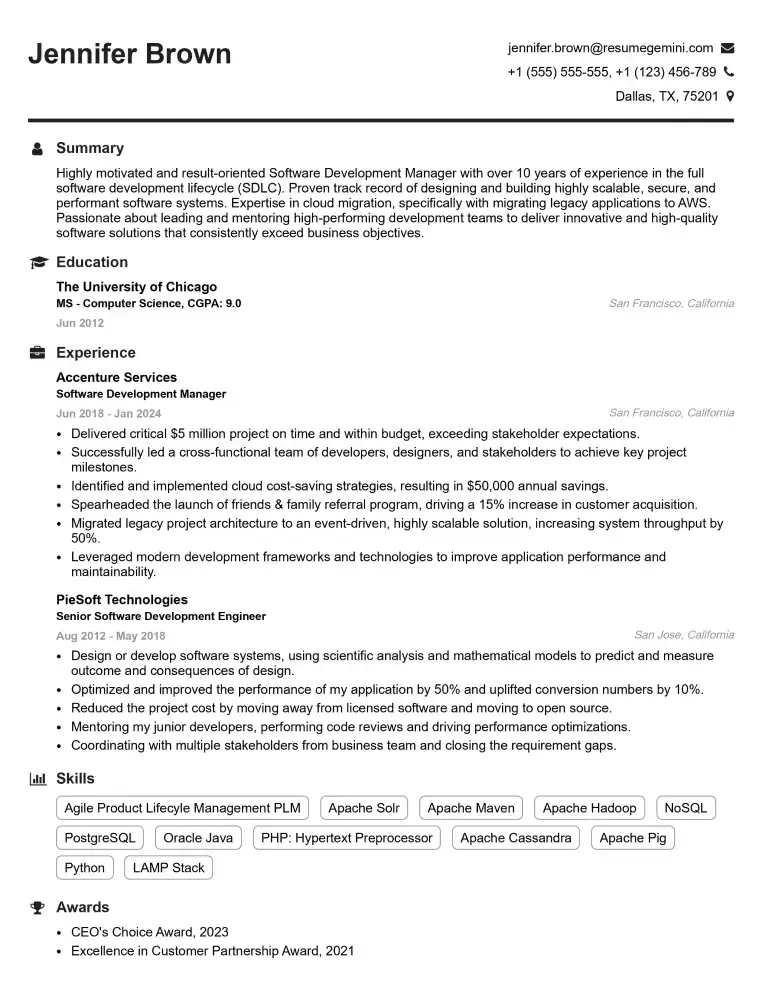
Elevate your job search with our premium resume templates. Here is an amazing resume template that can be used to build a professional and elegant resume. You can build a resume from scratch or revamp your existing resume. Impress hiring managers and secure your next opportunity.
- Top 50 Most Common Interview Questions
- The Psychology of a Great Resume: Hacks to Impress Recruiters
- What Mistakes to Avoid When Writing a Resume: A Comprehensive Guide
- Elevate Your Career with Expert Resume Building: Introducing ResumeGemini
- Crafting Your First Impression: How To Make Free Resume Online For Freshers