





In today’s competitive job market, it’s crucial to master the art of the interview. By following these essential tips, you can exude confidence, effectively communicate your skills, and increase your chances of landing your dream job in 2026.
1. Research the Company and Position Thoroughly
Before stepping into an interview, take the time to thoroughly research the company and the specific position you’re applying for. Visit the company website, LinkedIn page, and social media profiles to gain insights into their culture, values, and recent developments.
- Understand the company’s mission, vision, and products/services.
- Identify the key responsibilities and qualifications required for the role.
- Learn about the company’s competitors and industry trends.
2. Prepare Thoughtful Questions to Ask
Asking well-informed questions demonstrates your interest in the company and the position. Prepare a list of questions tailored to the specific industry and role you’re interviewing for.
- Inquire about the company’s growth plans and future goals.
- Ask about the specific challenges and opportunities within the role.
- Seek insights into the company’s culture and work environment.
3. Practice Answering Common Interview Questions
Anticipate potential interview questions and practice your responses thoroughly. This will build your confidence and allow you to deliver clear and concise answers.
- “Tell me about yourself.” (Focus on your relevant skills and experience.)
- “Why are you interested in this position?” (Explain how your skills align with the role and company.)
- “What are your strengths and weaknesses?” (Highlight your strengths while acknowledging areas for improvement.)
4. Dress Professionally and Arrive on Time
First impressions matter. Dress professionally in attire appropriate for the company and industry. Punctuality is equally important. Arrive at the interview location with ample time to spare, allowing you to remain calm and collected.
5. Be Enthusiastic, Positive, and Articulate
Conveying enthusiasm and a positive attitude can greatly enhance your interview performance. Maintain eye contact, smile, and demonstrate genuine interest in the opportunity. Speak clearly and articulate your answers, using specific examples to support your points.
6. Follow Up with a Thank You Note
After the interview, promptly send a thank-you note to the interviewer(s). Express your appreciation for their time and reaffirm your interest in the position. Briefly reiterate your key qualifications and why you would be an ideal fit for the team.
7. Anticipate and Prepare for Behavioral Questions
Behavioral questions are commonly used to assess your past performance and suitability for the role. Be prepared to provide specific examples of your skills and experiences that demonstrate:
- Problem-solving abilities
- Teamwork and collaboration
- Customer service skills
- Leadership qualities
8. Demonstrate Your Passion and Cultural Fit
Go beyond simply stating your qualifications and show the interviewer how passionate you are about the industry and the specific role. Explain how your values align with the company culture and why you believe you would be a valuable addition to the team.
9. Stay Up-to-Date on Industry Trends
Staying abreast of the latest industry trends demonstrates your commitment to your profession. Share your knowledge and insights during the interview, showing that you are a forward-thinking and adaptable candidate.
10. Manage Your Nerves and Convey Confidence
It’s natural to feel nervous before an interview. However, it’s crucial to manage your nerves and project confidence. Take deep breaths, maintain good posture, and focus on delivering your answers with clarity and conviction.
Interviews can be challenging, but by following these essential tips, you can significantly increase your chances of success. Remember to prepare thoroughly, be professional, and convey your enthusiasm and passion for the opportunity. With the right mindset and approach, you can master the 2026 interview process and secure your dream job.
For additional support and guidance, consider using a professional resume builder like ResumeGemini to create a powerful resume that showcases your skills and qualifications effectively.
Career Expert Tips:
- Select the ideal resume template to showcase your professional experience effectively.
- Master the art of resume writing to highlight your unique qualifications and achievements.
- Checkout the resume writing tips for guidance and best practices.
- Make your 2025 brighter with a new job. Build a powerful resume with ResumeGemini and save big, enjoy exclusive discounts on premium templates.
Frequently Asked Questions (FAQ’s)
What are the most common types of job interview questions?
Job interviews are common practice for recruiters to assess and choose the most suitable candidate for a company. There are various types of interview questions, and some of the most common include:
- Tell me about yourself. This is a classic interview question that allows you to introduce yourself and highlight your relevant skills and experience for the job.
- Why are you interested in this position? Make sure you reveal that you’ve done your research on the company to prove your interest.
- Why should we hire you? Make a strong case for your hiring by highlighting your unique skills, experience, and fit for the company culture.
- What are your strengths and weaknesses? Emphasize your most relevant strengths and choose a weakness that won’t affect your job performance.
- What are your salary expectations? Research the average salary for similar positions in your industry and location and be prepared to negotiate within a reasonable range.
- Do you have any questions for me? Asking thoughtful questions demonstrates your engagement and interest in the position and company.
How can I prepare for behavioral interview questions?
Behavioral interview questions are designed to assess your past behaviors and experiences in specific situations. To prepare for these questions, use the STAR method:
- Situation: Describe the specific situation or task you were involved in.
- Task: Explain your role and responsibilities in that situation.
- Action: Describe the specific actions you took to address the situation or complete the task.
- Result: Explain the positive outcomes or results of your actions.
- Situation: “I was working as a customer service representative when I received a call from an angry customer who was complaining about a defective product.”
- Task: “My task was to resolve the customer’s issue and ensure their satisfaction.”
- Action: “I listened attentively to the customer’s concerns, apologized for the inconvenience, and offered a replacement product. I also provided clear instructions on how to return the defective product.”
- Result: “The customer was satisfied with the resolution and expressed appreciation for my empathy and professionalism. They also indicated that they would continue to do business with our company.”
What should I wear to a job interview?
Dressing appropriately for a job interview is crucial as it conveys respect for the interviewer and the company, and it makes a positive first impression. Here are some general guidelines:
- Formal attire: This is typically expected for professional jobs in industries such as banking, finance, law, and consulting. Men should wear a dark suit with a white or light-colored shirt, a tie, and polished shoes. Women can wear a skirt or pantsuit with a blouse or dress shirt, and closed-toe shoes.
- Business casual: This is a less formal option and is often appropriate for jobs in creative or tech industries. Men can wear khakis or dress pants with a button-down shirt and loafers or dress shoes. Women can wear a dress, skirt with a blouse, or pantsuit with a top. Avoid wearing jeans, sneakers, or overly casual clothing.
- Casual: This dress code is usually found in startups or workplaces that prioritize comfort and creativity. You can wear jeans, a nice t-shirt or button-down shirt, and comfortable shoes. Make sure your clothing is still clean, presentable, and appropriate for the company culture.
How should I follow up after a job interview?
Following up after a job interview is essential to show your continued interest in the position and to stay in the interviewer’s mind. Here’s how you can do it:
- Send a thank-you note: Within 24 hours of the interview, send a personalized thank-you note to the interviewer. Express your appreciation for their time and reiterate your interest in the position. Briefly highlight any key points or skills that you feel are relevant to the role.
- Follow up email: If you don’t hear back within a week or two, send a brief follow-up email inquiring about the status of your application. Be polite and respectful, and avoid being pushy.
- LinkedIn connect: After the interview, connect with the interviewer on LinkedIn. This is a great way to stay top-of-mind and show your interest in the company.
What are the key factors that hiring managers look for in an interview?
Hiring managers look for specific qualities and skills in candidates during interviews. Here are some key factors they consider:
- Relevant skills and experience: Ensure your skills and experience align with the requirements of the job you’re applying for.
- Cultural fit: Companies want to hire people who will fit in well with their team and company culture, so be yourself and show that you’re a good match.
- Communication skills: Strong communication skills are essential for effective teamwork and building relationships with colleagues and clients.
- Enthusiasm and passion: Hiring managers want to see that you’re passionate about your work and eager to contribute to the company.
- Problem-solving skills: Employers value candidates who can demonstrate their ability to solve problems and make decisions.
- Positive attitude: A positive and enthusiastic attitude can create a great impression and make you more memorable to the interviewer.
Does being overqualified affect my chances of being hired?
Yes, being overqualified can sometimes affect your chances of being hired. Here are a few reasons:
- Salary expectations: Overqualified candidates may expect a higher salary than the company is willing to pay.
- Boredom and job satisfaction: Employers may be concerned that an overqualified candidate will become bored or dissatisfied with the job responsibilities, leading to a higher turnover rate.
- Perception of overconfidence: Some hiring managers may perceive overqualified candidates as being overconfident or arrogant, which can negatively impact their chances of being hired.
- Limited growth opportunities: Overqualified candidates may have limited growth opportunities within the company, as they may already possess skills and experience beyond what is required for the role.
- Tailor your resume and cover letter: Highlight the skills and experience that are most relevant to the job requirements and downplay any overly advanced qualifications.
- Research the company: Learn about the company’s culture, values, and growth opportunities to demonstrate your interest and fit.
- Be prepared to discuss your motivations: Explain why you are interested in the position, even if it is below your current skill level.
- Emphasize your willingness to learn and grow: Show that you are eager to contribute to the company and that you are open to new challenges.
- Be flexible with your salary expectations: If necessary, be willing to negotiate your salary expectations to increase your chances of being hired.
Next Step:
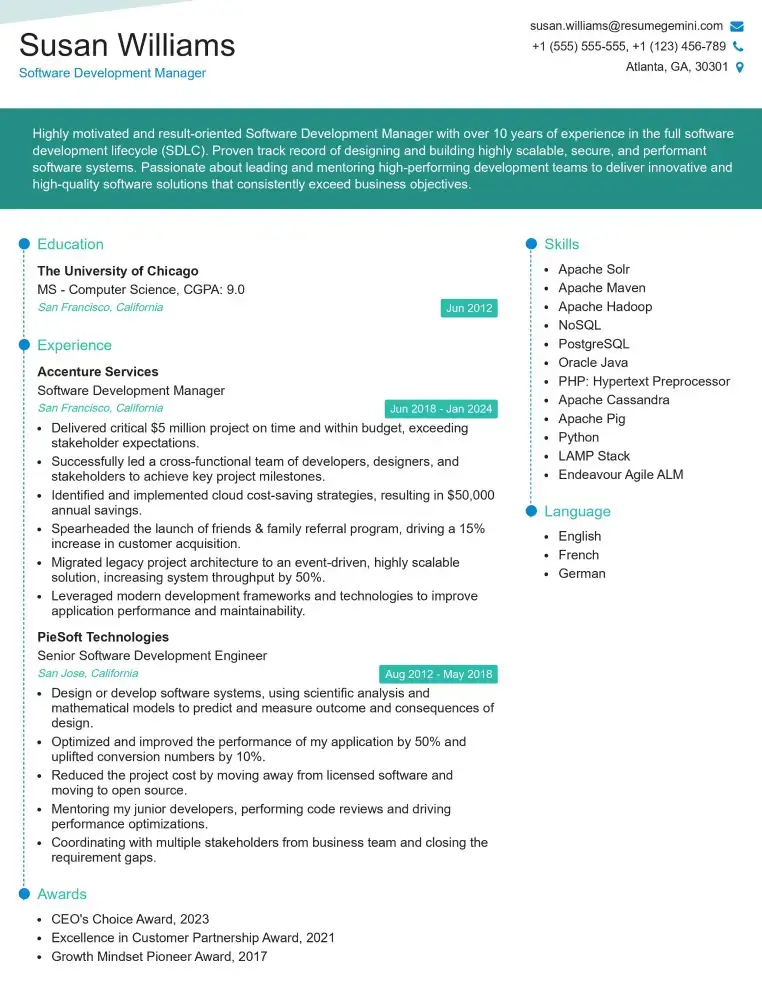
Elevate your job search with our premium resume templates. Here is an amazing resume template that can be used to build a professional and elegant resume. You can build a resume from scratch or revamp your existing resume. Impress hiring managers and secure your next opportunity.
- Top 50 Most Common Interview Questions
- The Psychology of a Great Resume: Hacks to Impress Recruiters
- What Mistakes to Avoid When Writing a Resume: A Comprehensive Guide
- Elevate Your Career with Expert Resume Building: Introducing ResumeGemini
- Crafting Your First Impression: How To Make Free Resume Online For Freshers