





In today’s competitive job market, your resume is more than just a piece of paper. It’s your chance to make a lasting impression and land your dream job. But how do you create a resume that stands out from the crowd and gets you noticed by hiring managers?
That’s where ResumeGemini comes in. Our resume builder offers 60+ resume templates and 45,000+ pre-built resume samples designed to help you create a resume that will get you noticed. But we don’t stop there. We’re also here to provide you with the inside scoop on the latest resume trends and best practices.
In this blog post, we’re sharing 100+ resume hacks that will help you land your dream job. These hacks are based on our years of experience helping job seekers create resumes that get results. So whether you’re a recent graduate or a seasoned professional, read on for tips that will help you take your resume to the next level.
Optimizing for ATS and Applicant Tracking Systems
Applicant Tracking Systems (ATSs) are software programs that many companies use to screen and sort resumes. If your resume is not optimized for ATS, it may never make it into the hands of a human recruiter.
Here are a few tips for optimizing your resume for ATS:
- Use keywords strategically. ATSs use keywords to match resumes to job openings. So, be sure to include relevant keywords in your resume, especially in your job title, summary, and skills section.
- Use a standard font. ATSs can have difficulty reading resumes that are formatted with non-standard fonts. Stick to standard fonts like Arial, Times New Roman, or Calibri.
- Keep your resume concise. ATSs are designed to scan resumes quickly. So, keep your resume to one page if possible and use concise language.
- Avoid using images or graphics. ATSs can’t read images or graphics. So, avoid using them on your resume.
- Test your resume. Before submitting your resume to a job opening, test it to make sure it is ATS-friendly.
Crafting a Compelling Value Proposition
Your resume’s value proposition is a statement that summarizes your skills, experience, and what you can offer to a potential employer.
Your value proposition should be:
- Specific. Highlight your unique skills and experience.
- Quantifiable. Use numbers to quantify your accomplishments.
- Relevant. Tailor your value proposition to each job you apply for.
Here is an example of a strong value proposition:
“Seasoned software engineer with 10+ years of experience in developing and managing large-scale software projects. Expertise in Java, Python, and C++. Proven track record of delivering high-quality software on time and within budget.”
Showcasing Skills and Experience Effectively
Your resume should clearly and concisely showcase your skills and experience. Here are a few tips:
- Use action verbs. When describing your experience, use action verbs that convey your accomplishments.
- Quantify your accomplishments. Whenever possible, quantify your accomplishments using numbers.
- Highlight your transferable skills. If you don’t have direct experience in a particular area, highlight transferable skills that you have developed in other roles.
- Use a skills matrix. A skills matrix is a table that lists your skills and the level of proficiency you have in each skill.
Using Keywords Strategically
Keywords are words or phrases that describe your skills and experience. When you include relevant keywords in your resume, it makes it more likely that your resume will be found by potential employers.
Here are a few tips for using keywords strategically:
- Identify the keywords for each job you apply for. You can find keywords by reading the job description and researching the company.
- Include keywords in your resume’s summary, skills section, and job descriptions.
- Use long-tail keywords. Long-tail keywords are more specific and less competitive than general keywords.
- Don’t keyword stuff. Keyword stuffing is the practice of including too many keywords in your resume. This can make your resume difficult to read and may even hurt your chances of getting a job.
Formatting for Impact and Readability
The way you format your resume can have a big impact on its readability and overall impact.
Here are a few tips for formatting your resume for impact:
- Use a clean and simple design. Avoid using too many fonts, colors, or graphics.
- Use white space effectively. White space helps to break up your resume and make it easier to read.
- Use headings and subheadings. Headings and subheadings help to organize your resume and make it easier to skim.
- Use bullet points and lists. Bullet points and lists help to break up your text and make it easier to read.
- Proofread your resume carefully. Make sure your resume is free of errors.
Leveraging Design Elements for Professionalism
In addition to formatting, you can also use design elements to make your resume more professional.
Here are a few tips for using design elements effectively:
- Use a professional font. A professional font will make your resume look more polished.
- Use a consistent color scheme. A consistent color scheme will help your resume look more cohesive.
- Use subtle graphics. Subtle graphics can help to add visual interest to your resume.
- Don’t overdo it. Too many design elements can make your resume look cluttered and unprofessional.
Adding Extracurriculars and Personal Projects
Extracurriculars and personal projects can help you to stand out from other candidates. They can demonstrate your skills, interests, and commitment to excellence.
Here are a few tips for adding extracurriculars and personal projects to your resume:
- Only include extracurriculars and personal projects that are relevant to the job you are applying for.
- Highlight your skills and accomplishments. When describing your extracurriculars and personal projects, focus on the skills and accomplishments that you gained.
- Be brief. Don’t go into too much detail about your extracurriculars and personal projects. Just provide a brief overview.
Proofreading and Editing for Perfection
Once you have finished writing your resume, it is important to proofread and edit it carefully.
Here are a few tips for proofreading and editing your resume:
- Check for errors in grammar, spelling, and punctuation.
- Make sure your resume is consistent in terms of style and formatting.
- Ask a friend or family member to review your resume.
By following these resume hacks, you can create a resume that will help you land your dream job. Remember, your resume is your first impression on paper. Make it count!
Career Expert Tips:
- Select the ideal resume template to showcase your professional experience effectively.
- Master the art of resume writing to highlight your unique qualifications and achievements.
- Checkout the resume writing tips for guidance and best practices.
- Make your 2025 brighter with a new job. Build a powerful resume with ResumeGemini and save big, enjoy exclusive discounts on premium templates.
Frequently Asked Questions (FAQ’s)
What are the biggest mistakes to avoid on a resume?
Overcoming common resume pitfalls is crucial for success. Avoid these glaring errors:
1. Lack of Customization: A generic resume fails to highlight your unique strengths. Tailor your content to each job description, using relevant keywords and showcasing skills that align with the specific role. Failure to target your resume can result in a missed opportunity to connect with potential employers.
2. Typos and Grammatical Errors: Attention to detail is paramount in a resume. Proofread carefully for any errors in grammar, spelling, or punctuation. A polished resume conveys professionalism and care, while numerous errors can undermine your credibility.
3. Exaggeration or Fabrication: Stretching the truth or outright fabricating information may seem tempting, but it’s a risky strategy. Potential employers conduct thorough background checks, and any discrepancies can damage your reputation and eliminate your chances of securing the job. Be honest and accurate in your resume, ensuring that all claims can be substantiated.
4. Inconsistency: Maintain consistency throughout your resume. Use the same formatting style, font, and language throughout the document. Inconsistency creates a cluttered and unprofessional appearance, making it difficult for recruiters to quickly grasp your qualifications.
5. Lack of Focus: Keep your resume concise and focused on the most relevant information. Avoid unnecessary personal details or irrelevant experiences that do not add value to your application. A well-tailored resume highlights your key skills and accomplishments, making it easier for potential employers to assess your suitability for the position.
How do I tailor my resume to different job roles and industries?
Tailoring your resume to specific job roles and industries is essential for making a strong impression. Follow these tips to optimize your resume for each application:
1. Research the Company and Industry: Understand the company’s culture, values, and industry trends. Demonstrate your knowledge by incorporating relevant keywords from the job description and industry-specific terminology.
2. Highlight Relevant Skills and Experience: Review the job description and identify the skills and experience that are most relevant to the role. Emphasize these skills in your resume, providing specific examples that showcase your proficiency.
3. Use Industry-Specific Language: Incorporate industry-specific keywords and jargon to demonstrate your familiarity with the field. This shows potential employers that you are knowledgeable and passionate about the industry.
4. Emphasize Transferable Skills: If you lack direct experience in the specific industry, highlight transferable skills that are applicable to the role. These could include communication, problem-solving, teamwork, or project management skills.
5. Tailor Your Resume Design: Consider the industry norms and company culture when choosing a resume design. For example, a creative field may appreciate a more visually appealing resume, while a traditional industry may prefer a more conservative design.
How important is resume design in the hiring process?
Resume design plays a significant role in the hiring process, as it creates a visual representation of your qualifications and professionalism. Here’s why resume design matters:
1. First Impressions: Recruiters typically spend only a few seconds scanning each resume, so a well-designed resume can make a strong first impression and capture their attention. A visually appealing and easy-to-read resume stands out from the pile.
2. Professionalism: A well-designed resume conveys professionalism and attention to detail. It shows that you have taken the time to create a polished and organized document that reflects your best self.
3. Readability: A well-structured resume with clear headings, bullet points, and white space makes it easy for recruiters to quickly grasp your key skills and experience. A cluttered or poorly designed resume can be difficult to read and may result in your application being overlooked.
4. Employer Branding: If you are applying for a creative role, such as graphicデザイン or marketing, your resume design can serve as a portfolio of your work. A visually appealing resume can demonstrate your design skills and make you stand out from the competition.
5. ATS Optimization: Some companies use applicant tracking systems (ATS) to screen resumes. A well-designed resume that is optimized for ATS can increase your chances of passing the initial screening and getting your resume in front of a human recruiter.
What are the key sections to include on a resume?
An effective resume typically includes the following key sections:
1. Contact Information: Ensure your name, email address, phone number, and LinkedIn profile URL are prominently displayed at the top of your resume.
2. Summary or Objective Statement: Begin with a concise summary that highlights your key skills, experience, and career goals. Alternatively, you can opt for a more targeted objective statement that aligns with the specific job you are applying for.
3. Work Experience: List your relevant work experience in reverse chronological order. Include the company name, job title, dates of employment, and a brief description of your responsibilities and accomplishments. Use action verbs and quantify your results whenever possible.
4. Education: List your educational qualifications in reverse chronological order, including the institution’s name, degree obtained, and dates of attendance. Include any relevant coursework, honors, or awards.
5. Skills: Highlight your hard and soft skills that are relevant to the job you are applying for. Hard skills are technical abilities, while soft skills are more generalizable qualities such as communication, teamwork, and problem-solving.
6. Additional Sections: Depending on your experience and industry, you may include additional sections such as Awards, Certifications, Languages, Accomplishments, Extracurricular Activities, and References.
How do I quantify my accomplishments to make them stand out?
Quantifying your accomplishments adds credibility to your resume and provides tangible evidence of your impact. Here’s how to quantify your achievements:
1. Use Numbers and Metrics: Whenever possible, use specific numbers and metrics to quantify your results. For example, instead of saying “Increased sales,” you could say “Increased sales by 15% within the first quarter.”
2. Highlight the Impact: Emphasize the positive impact of your actions on the organization. Explain how your contributions benefited the company, such as increased revenue, improved efficiency, or reduced costs.
3. Use Strong Action Verbs: Use strong action verbs that convey the significance of your accomplishments. For example, instead of saying “Managed a team,” you could say “Led a team of 10 engineers to develop a new software product.”
4. Provide Context: Provide brief context for your accomplishments to help the reader understand the scope and scale of your work. This could include the size of the team you managed, the budget you were responsible for, or the timeline of the project.
What is the optimal length for a resume in 2026?
The optimal length for a resume in 2026 is generally considered to be one page for candidates with less than 5 years of experience, and two pages for those with more than 5 years of experience. However, there are certain exceptions to this rule. For example, if you have a very specialized skill set or a long history of relevant experience, you may need to use a longer resume to fully showcase your qualifications.
Ultimately,
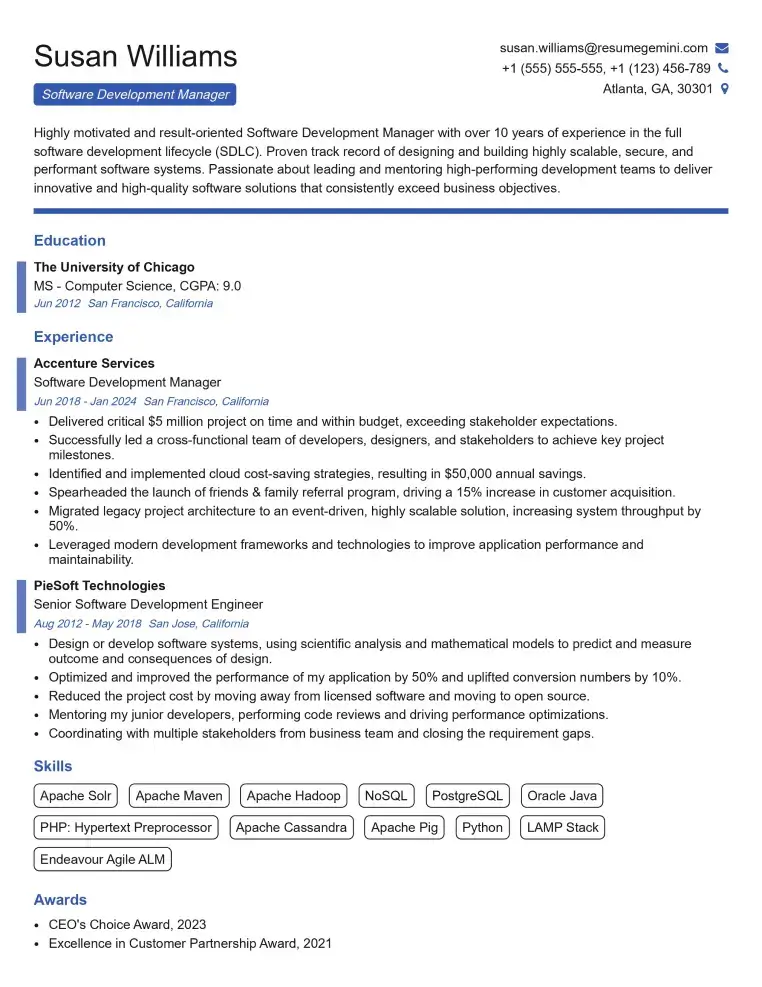
Elevate your job search with our premium resume templates. Here is an amazing resume template that can be used to build a professional and elegant resume. You can build a resume from scratch or revamp your existing resume. Impress hiring managers and secure your next opportunity.
- Top 50 Most Common Interview Questions
- The Psychology of a Great Resume: Hacks to Impress Recruiters
- What Mistakes to Avoid When Writing a Resume: A Comprehensive Guide
- Elevate Your Career with Expert Resume Building: Introducing ResumeGemini
- Crafting Your First Impression: How To Make Free Resume Online For Freshers