





In today’s competitive job market, it’s not enough to simply list your work history on a piece of paper and hope for the best. To stand out from the crowd, you need a resume that effectively communicates your value and demonstrates why you’re the perfect candidate for the job you’re applying for. That’s where ResumeGemini comes in.
Describe Your Responsibilities with Clarity and Precision
- Avoid using vague or generic language that doesn’t provide specific details about your accomplishments.
- Instead, use strong action verbs to describe your responsibilities and quantify your achievements whenever possible.
- For example, instead of writing “Managed a team of engineers,” you could write “Managed a team of 10 engineers, resulting in a 20% increase in productivity.”
Quantify Your Achievements to Highlight Your Impact
Whenever possible, use numbers to quantify your accomplishments. This will help hiring managers and recruiters quickly see the impact of your work.
- For example, instead of writing “Improved customer satisfaction,” you could write “Improved customer satisfaction by 15%, resulting in a 10% increase in sales.”
- Quantifying your achievements will also help you stand out from other candidates who may have similar or even more impressive experience.
Use Action Verbs to Demonstrate Your Active Role
- For example, instead of writing “Responsible for customer service,” you could write “Provided excellent customer service, resolving over 100 customer inquiries per day.”
- Using action verbs will also help you stand out from other candidates who may have used more passive language in their resumes.
When writing your resume, use action verbs to describe your accomplishments. This will make your resume more active and engaging, and will help hiring managers and recruiters quickly see the impact of your work.
Tailor Your Content to Match the Job Requirements
Before you start writing your resume, take some time to carefully review the job description for the position you’re applying for. This will help you identify the skills, experiences, and qualifications that the employer is looking for.
- Once you’ve identified the key requirements, tailor your resume to highlight your relevant skills and experience.
- For example, if the job description mentions that the ideal candidate will have experience in managing a team, be sure to include your experience in managing teams on your resume.
Include Industry-Specific Keywords and Phrases
- This will help your resume get noticed by applicant tracking systems (ATSs), which are used by many employers to screen resumes.
- To find relevant keywords and phrases, review the job description and search for online resources in your industry.
When writing your resume, be sure to include industry-specific keywords and phrases.
Proofread Carefully for Errors and Inconsistencies
- You should also check to make sure that all of the information on your resume is accurate and consistent with your other application materials.
- If you’re not confident in your proofreading skills, ask a friend or family member to review your resume before you submit it.
Before you submit your resume, proofread it carefully for any errors or inconsistencies. This includes checking for typos, grammar errors, and formatting errors.
Seek Feedback from Career Experts or Mentors
- These individuals can provide you with valuable advice on how to improve your resume, making it more likely to get noticed by employers.
- You can find career experts and mentors through your school, local library, or professional organizations.
If you’re not sure how to write a strong resume, seek feedback from career experts or mentors.
Stay Up-to-Date on Industry Trends and Best Practices
The world of resume writing is constantly changing. To make sure that your resume is up-to-date, stay up-to-date on industry trends and best practices.
- You can do this by reading industry blogs and articles, attending webinars and workshops, and networking with other professionals.
- By staying up-to-date on the latest trends, you can make sure that your resume is always meeting the expectations of employers.
Career Expert Tips:
- Select the ideal resume template to showcase your professional experience effectively.
- Master the art of resume writing to highlight your unique qualifications and achievements.
- Checkout the resume writing tips for guidance and best practices.
- Make your 2025 brighter with a new job. Build a powerful resume with ResumeGemini and save big, enjoy exclusive discounts on premium templates.
Frequently Asked Questions (FAQ’s)
What are the essential elements to include in a resume?
A well-structured resume typically includes the following essential elements:
- Contact Information: Name, email address, phone number, and LinkedIn profile URL.
- Summary: A brief, attention-grabbing statement that highlights your skills, experience, and career goals.
- Skills: A list of your hard and soft skills relevant to the job you’re applying for.
- Experience: A chronological list of your work history, including job titles, company names, dates of employment, and a brief description of your responsibilities.
- Education: A list of your educational qualifications, including degrees, diplomas, and certifications.
- Certifications: A list of any industry-recognized certifications or licenses you hold.
- Awards and Recognition: A list of any awards or recognition you’ve received for your work.
How do I effectively describe my responsibilities without using generic phrases?
To effectively describe your responsibilities without using generic phrases, focus on providing specific, quantifiable results whenever possible. For example, instead of saying “Managed a team”, you could say “Managed a team of 10 engineers, resulting in a 20% increase in productivity.” Here are some additional tips:
- Use action verbs to describe your accomplishments
- Quantify your results with numbers or percentages
- Use industry-specific keywords
- Proofread your resume carefully for errors
What are the best ways to quantify my accomplishments?
Quantifying your accomplishments on your resume is a great way to make your experience more impressive and memorable. Here are some tips for quantifying your accomplishments:
- Use numbers: Whenever possible, use numbers to quantify your accomplishments. For example, instead of saying “Increased sales,” you could say “Increased sales by 15%.”
- Use percentages: Percentages are a great way to show the magnitude of your accomplishments. For example, instead of saying “Improved customer satisfaction,” you could say “Improved customer satisfaction by 20%.”
- Use specific examples: When possible, provide specific examples of your accomplishments. For example, instead of saying “Managed a team,” you could say “Managed a team of 10 engineers, resulting in a 20% increase in productivity.”
How can I incorporate industry keywords into my resume?
Incorporating industry keywords into your resume can help you get noticed by potential employers. Here are some tips for incorporating industry keywords into your resume:
- Research the job description: The job description is a great place to find industry keywords. Make a list of the keywords that are relevant to your skills and experience, and then incorporate them into your resume.
- Use industry-specific language: Use industry-specific language throughout your resume, from your summary to your skills section. This will show potential employers that you are familiar with the industry and its terminology.
- Highlight your relevant skills and experience: Make sure to highlight your skills and experience that are relevant to the industry you’re applying to. For example, if you’re applying for a job in the tech industry, you should highlight your skills in programming, software development, and project management.
How often should I update my resume to stay relevant?
It’s important to keep your resume updated so that it accurately reflects your skills and experience. A good rule of thumb is to update your resume every 6 to 12 months, or whenever you have a significant career change, such as a new job, promotion, or certification.
What are the most common formatting mistakes to avoid?
Here are some common formatting mistakes to avoid on your resume:
- Using too many fonts: Stick to one or two fonts for your entire resume.
- Using too small of a font size: Make sure your font size is large enough to be easily readable.
- Using too much white space: Don’t leave too much white space on your resume. Use all of the available space to highlight your skills and experience.
- Using too many colors: Stick to one or two colors for your resume. Avoid using too many colors, as this can make your resume look cluttered and unprofessional.
- Using unprofessional graphics: Avoid using unprofessional graphics on your resume, such as clip art or images of yourself.
Next Step:
Now that you know the essential elements of a strong resume, it’s time to start writing your own. You can use ResumeGemini to create a professional, ATS-friendly resume in minutes. With over 3.6 million content examples and 60 unique template options, ResumeGemini makes it easy to create a resume that will get you noticed by potential employers.
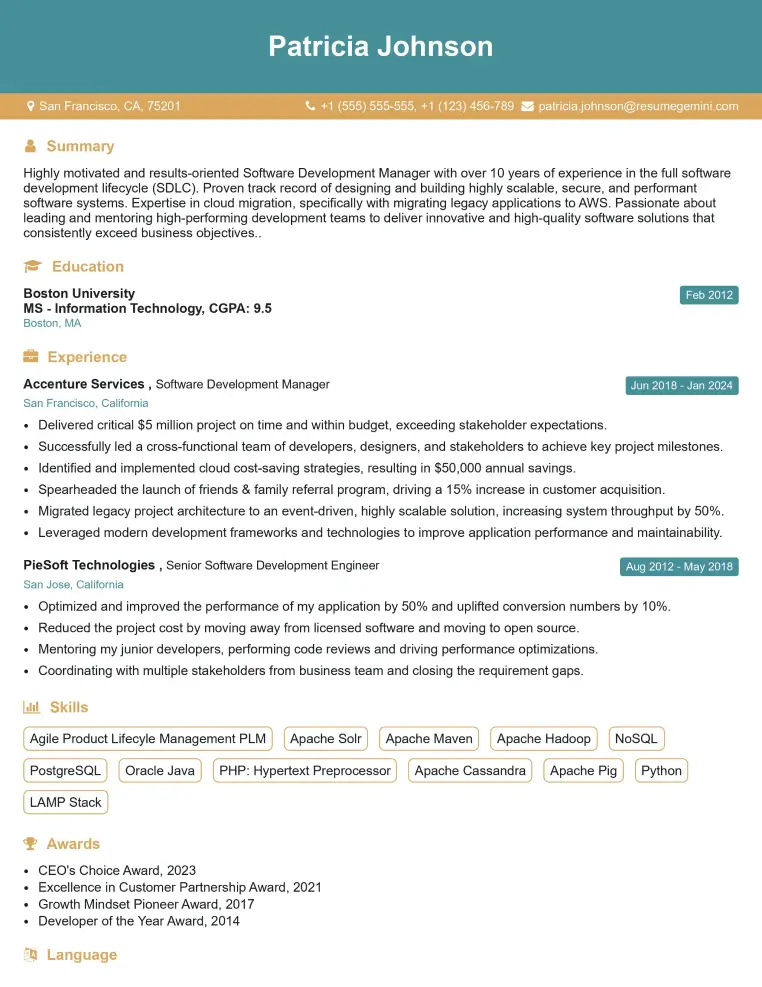
Elevate your job search with our premium resume templates. Here is an amazing resume template that can be used to build a professional and elegant resume. You can build a resume from scratch or revamp your existing resume. Impress hiring managers and secure your next opportunity.
- Top 50 Most Common Interview Questions
- The Psychology of a Great Resume: Hacks to Impress Recruiters
- What Mistakes to Avoid When Writing a Resume: A Comprehensive Guide
- Elevate Your Career with Expert Resume Building: Introducing ResumeGemini
- Crafting Your First Impression: How To Make Free Resume Online For Freshers