





Are you ready to unleash your true career potential and embark on a fulfilling journey? In this blog, we present five remarkable career-changing resumes that inspired major career shifts. These real-life examples will empower you with insights and strategies to craft a resume that can help you successfully transition into your dream career.
Analyzing Resumes That Led to Successful Career Transitions
A successful career change resume highlights transferable skills, relevant experience, and a compelling narrative that showcases why you are the perfect fit for your desired role. Here are some key aspects to consider:
- Identify Transferable Skills: Pinpoint skills and experiences that are applicable to multiple industries and roles. Emphasize skills such as communication, problem-solving, project management, and interpersonal abilities.
- Quantify Your Accomplishments: Use specific metrics and data to demonstrate the impact of your work. Quantifying your achievements adds credibility and makes your resume stand out.
- Tailor Your Resume to the Job Description: Carefully review job descriptions and identify keywords related to your target role. Incorporate these keywords into your resume to increase its relevance and chances of getting noticed.
Understanding Market Demand and Industry Trends
Before making a career change, it’s crucial to research market demand and industry trends. Identify growing industries and emerging job roles that align with your interests and skills. Consider the following factors:
- Research Industry Reports: Explore industry reports and publications to gain insights into job market trends, growth sectors, and in-demand skills.
- Network with Professionals: Attend industry events, connect with people on LinkedIn, and seek informational interviews to gather firsthand knowledge about different roles and industries.
- Utilize Online Resources: Websites like LinkedIn, Glassdoor, and Indeed provide valuable information on job availability, industry trends, and salary expectations.
Crafting a Compelling Narrative and Career Summary
Your resume should tell a compelling story that highlights your career journey and aspirations. Craft a concise and impactful career summary that summarizes your key skills, experience, and career goals.
Tips for Writing a Career Summary:
- Keep it brief, around 3-5 sentences.
- Start with a strong hook that grabs attention.
- Quantify your accomplishments whenever possible.
- Tailor it to the specific job you are applying for.
- Proofread carefully for any errors.
Using Keywords to Optimize for Job Boards and Applicant Tracking Systems (ATS)
Applicant Tracking Systems (ATS) are used by many companies to filter and rank resumes. To ensure your resume gets noticed, it’s essential to optimize it for ATS by incorporating relevant keywords.
- Identify Keywords: Use job descriptions and industry research to identify keywords related to your target role and industry.
- Incorporate Keywords Naturally: Avoid keyword stuffing. Instead, weave keywords seamlessly into your resume content, ensuring it reads naturally.
- Use a Resume Builder: ResumeGemini offers an ATS-friendly resume builder that suggests relevant keywords based on your industry and experience.
Closing Remarks
Creating a career-changing resume requires careful planning, research, and execution. By understanding market demand, identifying transferable skills, crafting a compelling narrative, and optimizing for ATS, you can create a resume that will open doors to new and exciting career opportunities. Remember, the journey to a fulfilling career is an ongoing process. Embrace the challenge, stay adaptable, and never stop learning.
Career Expert Tips:
- Select the ideal resume template to showcase your professional experience effectively.
- Master the art of resume writing to highlight your unique qualifications and achievements.
- Checkout the resume writing tips for guidance and best practices.
- Make your 2025 brighter with a new job. Build a powerful resume with ResumeGemini and save big, enjoy exclusive discounts on premium templates.
Frequently Asked Questions (FAQ’s)
How can I write a resume that will help me change careers?
To write a compelling resume that helps you change careers, follow these steps:
- Highlight your transferable skills. Identify the skills you’ve gained in previous roles that are relevant to your new career.
- Use keywords from the job description. Research the job descriptions of the positions you’re applying for, and incorporate relevant keywords throughout your resume.
- Quantify your accomplishments. Use numbers and metrics to demonstrate the impact of your work in your previous roles.
- Tailor your resume to each job you apply for. Emphasize the skills and experiences that are most relevant to the specific job you’re applying for.
- Consider using a resume builder. A resume builder can provide you with templates and examples to help you create a professional-looking resume.
What are the key elements to include in a resume for a career change?
A strong resume for a career change should include the following key elements:
- A clear and concise career summary
- A highlighted skills section that showcases your transferable skills
- A work experience section that quantifies your accomplishments and highlights your relevant experience
- An education section that lists your degrees and certifications
- An optional additional sections that highlight your awards, honors, or volunteer experience
How can I identify my transferable skills?
To identify your transferable skills, consider the following steps:
- Make a list of your skills and abilities.
- Identify the skills that are relevant to your new career.
- Highlight the skills that you have gained in your previous work experience, education, and volunteer experience.
- Use a resume builder to help you identify and highlight your transferable skills.
How do I write a career summary that showcases my versatility?
To write a strong career summary that showcases your versatility, follow these tips:
- Start with a strong opening statement that highlights your key skills and experience.
- Use specific examples to demonstrate your versatility.
- Quantify your accomplishments whenever possible.
- Use keywords from the job description to tailor your summary to each job you apply for.
- Keep your summary concise and to the point.
How can I optimize my resume for keyword searches and ATS?
To optimize your resume for keyword searches and ATS, follow these tips:
- Use keywords from the job description throughout your resume.
- Use a consistent format and font throughout your resume.
- Avoid using excessive graphics or images.
- Use a resume builder that provides ATS-friendly templates.
- Test your resume with an ATS to ensure that it is scannable.
What is the best resume builder for a career change?
There are many resume builders available, but not all of them are well-suited for a career change. When choosing a resume builder for a career change, look for one that provides the following features:
- ATS-friendly templates
- A library of resume examples for different industries and job titles
- Tools to help you identify and highlight your transferable skills
- Customer support to help you with any questions
Next Step:
Now that you have a better understanding of how to write a career-changing resume, it’s time to take action. Visit ResumeGemini today to create a professional resume that will help you land your dream job.
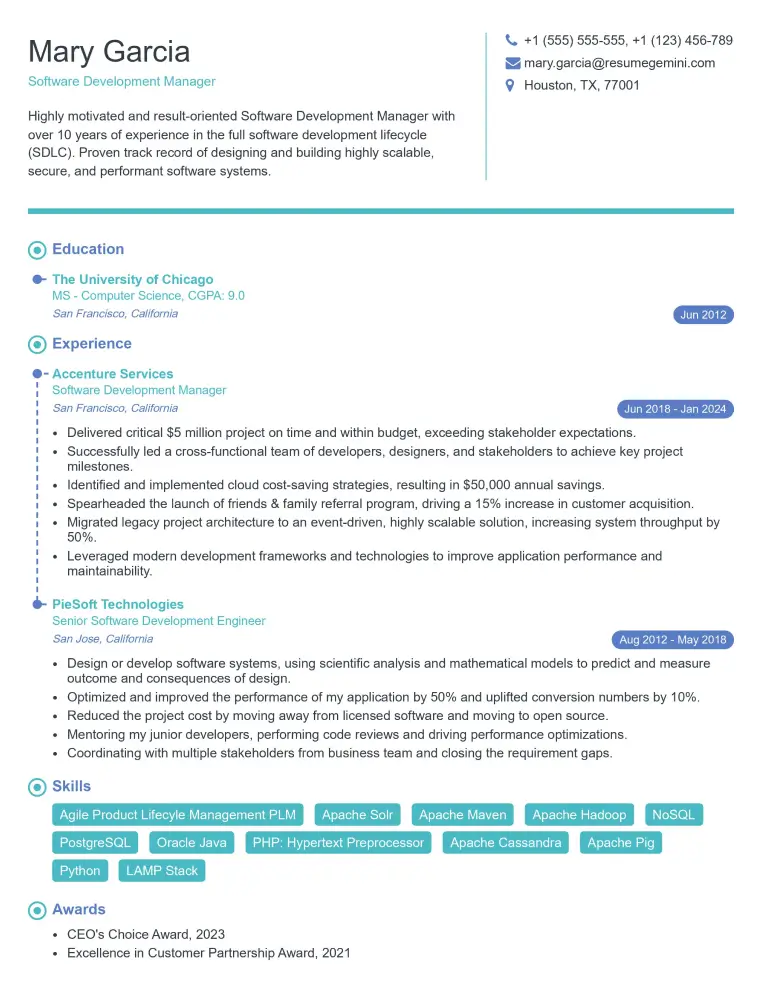
Elevate your job search with our premium resume templates. Here is an amazing resume template that can be used to build a professional and elegant resume. You can build a resume from scratch or revamp your existing resume. Impress hiring managers and secure your next opportunity.
- Top 50 Most Common Interview Questions
- The Psychology of a Great Resume: Hacks to Impress Recruiters
- What Mistakes to Avoid When Writing a Resume: A Comprehensive Guide
- Elevate Your Career with Expert Resume Building: Introducing ResumeGemini
- Crafting Your First Impression: How To Make Free Resume Online For Freshers