





In today’s dynamic job market, career transitions are not just common but often essential for professional growth and fulfillment. However, switching careers can be a daunting task, especially when it comes to creating a resume that effectively showcases your skills and experiences in a new industry. But fear not, fellow career changers! In this comprehensive guide, we will delve into 7 career-changing resumes that landed interviews and explore the secrets to crafting a resume that will help you land your dream job in a different field.
The Power of a Well-Crafted Resume
A resume is your gateway to a new career. It’s the first impression you make on potential employers, so it’s crucial to create a strong resume that highlights your relevant skills, experiences, and qualifications. A well-crafted resume can make all the difference in getting your foot in the door and landing that coveted interview.
- Showcase your transferable skills: Identify the skills you have gained in your previous roles that are applicable to your desired career. Even if you come from a different industry, focus on transferable skills like communication, problem-solving, leadership, and teamwork.
- Quantify your accomplishments: Use specific numbers and metrics to demonstrate the impact of your work. Quantifying your accomplishments adds credibility to your resume and makes it easier for recruiters to evaluate your contributions.
- Tailor your resume to each job description: Customize your resume to match the specific requirements of each job you apply for. Highlight the skills and experiences that are most relevant to the position and demonstrate how you meet the employer’s needs.
Leverage Networking and Referrals
Networking is a powerful tool for career changers. Attend industry events, connect with professionals on LinkedIn, and reach out to friends and colleagues for referrals. Referrals can significantly increase your chances of getting your resume noticed by hiring managers.
7 Career-Changing Resumes That Landed Interviews
To provide you with concrete examples, let’s explore seven career-changing resumes that successfully landed interviews for their authors.
- IT professional transitioning to marketing: This resume effectively highlighted transferable skills like project management, communication, and analytical thinking. The candidate also included a section dedicated to their passion for marketing, showcasing their research and involvement in industry events.
- Teacher transitioning to healthcare administration: This resume emphasized the candidate’s experience in managing budgets, developing curriculum, and working with diverse populations. They also highlighted their transferable skills in leadership, organization, and communication.
- Sales representative transitioning to financial advising: This resume showcased the candidate’s strong interpersonal skills, ability to build relationships, and understanding of financial concepts. They also included a section on their volunteer work in financial literacy, demonstrating their passion for the field.
- Non-profit manager transitioning to human resources: This resume highlighted the candidate’s experience in employee relations, conflict resolution, and program management. They also included a section on their professional development in human resources, demonstrating their commitment to the field.
- Engineer transitioning to product management: This resume emphasized the candidate’s technical skills, project management experience, and understanding of user experience. They also included a portfolio of their work, showcasing their ability to design and develop products.
- Journalist transitioning to public relations: This resume highlighted the candidate’s writing skills, ability to communicate complex ideas, and experience in media relations. They also included a section on their volunteer work in public outreach, demonstrating their passion for the field.
- Accountant transitioning to data analytics: This resume emphasized the candidate’s analytical skills, experience in data mining and analysis, and understanding of statistical methods. They also included a section on their coursework in data science, demonstrating their commitment to the field.
Crafting Your Own Career-Changing Resume
Now that you have seen some examples of successful career-changing resumes, let’s break down the key elements that you should incorporate into your own resume:
- Highlight transferable skills: Identify and showcase the skills you have gained in your previous roles that are applicable to your desired career.
- Quantify your accomplishments: Use specific numbers and metrics to demonstrate the impact of your work.
- Tailor your resume to each job description: Customize your resume to match the specific requirements of each job you apply for.
- Use keywords effectively: Incorporate industry-specific keywords and phrases to increase your visibility to recruiters.
- Demonstrate your passion and motivation: Explain your reasons for wanting to switch careers and show your enthusiasm for the new field.
Wrapping Up
Crafting a career-changing resume is a strategic process that requires careful planning and execution. By following the tips outlined in this guide, you can create a resume that effectively showcases your skills, experiences, and qualifications. Remember, a well-crafted resume is your gateway to a new career, so take the time to create a resume that will make you stand out and land that coveted interview. Good luck in your career transition!
Career Expert Tips:
- Select the ideal resume template to showcase your professional experience effectively.
- Master the art of resume writing to highlight your unique qualifications and achievements.
- Checkout the resume writing tips for guidance and best practices.
- Make your 2025 brighter with a new job. Build a powerful resume with ResumeGemini and save big, enjoy exclusive discounts on premium templates.
Frequently Asked Questions (FAQs)
How do I write a resume that highlights my skills and experience from a different industry?
Craft a compelling resume that showcases your transferable skills and aligns with the requirements of your target industry.
- Identify transferable skills: Highlight skills that are relevant to multiple industries, such as communication, problem-solving, and adaptability.
- Quantify your accomplishments: Use specific metrics and data to demonstrate the impact of your work, even if they are from a different field.
- Tailor your resume to the job description: Research the specific job you’re applying for and tailor your resume to match the skills and experience they’re seeking.
What are the common challenges faced by career switchers when writing a resume?
Career switchers often encounter unique challenges when crafting their resumes.
- Demonstrating transferable skills: Showcasing skills that are relevant to the new industry, even if they were gained in a different field.
- Addressing gaps in experience: Explaining any gaps in employment or experience that may arise due to the career change.
- Highlighting relevant experience: Emphasizing experience that, while not directly related to the new field, still provides valuable transferable skills.
How can I quantify my accomplishments if I don’t have traditional metrics?
When lacking traditional metrics, utilize other methods to quantify your accomplishments.
- Use specific numbers and data: Provide concrete figures to demonstrate the impact of your work, even if they are not traditional metrics.
- Describe the scope of your work: Explain the scale and impact of your projects or initiatives, providing context for your accomplishments.
- Use qualitative metrics: Highlight positive feedback, recognition, or testimonials from colleagues or clients to demonstrate your effectiveness.
What is the best way to tailor my resume to different job descriptions?
Customizing your resume for each job application increases your chances of success.
- Review the job description carefully: Identify the specific skills, experience, and qualifications required for the role.
- Highlight relevant skills and experience: Emphasize the skills and experience that directly align with the job description.
- Use keywords: Incorporate relevant keywords from the job description into your resume to ensure it gets noticed by applicant tracking systems (ATS).
How do I write a compelling resume summary or objective that showcases my career change goals?
Craft a strong resume summary or objective that captures the essence of your career change goals.
- Highlight your transferable skills: Showcase the skills that are relevant to your target industry, even if they were gained in a different field.
- Express your career change goals: Clearly state your desire to transition to a new industry and the specific role you’re targeting.
- Quantify your accomplishments: If possible, include specific metrics or data to demonstrate the impact of your work in your previous industry.
What are the key sections to include on a resume for a career change?
Include key sections in your career change resume to provide a comprehensive overview of your skills and experience.
- Contact information: Ensure your contact information is up-to-date and professional.
- Summary or objective: Craft a compelling summary or objective that highlights your career change goals and relevant skills.
- Skills: List your transferable skills and any industry-specific skills you have acquired.
- Experience: Describe your relevant work experience, even if it’s from a different field.
- Education: Include your educational background, including any relevant certifications or training.
How do I leverage networking and referrals to get my resume noticed?
Utilize networking and referrals to increase the visibility of your resume and connect with potential employers.
- Attend industry events: Network at industry conferences, meetups, and career fairs to connect with professionals in your target field.
- Join professional organizations: Become a member of relevant industry organizations to expand your network and access job opportunities.
- Ask for referrals: Reach out to your connections and ask if they know of any job openings or if they can refer you to their network.
What are the common mistakes to avoid when writing a resume for a career change?
Avoid common pitfalls when crafting your career change resume to make it stand out and increase your chances of success.
- Focusing too much on the past: While highlighting your previous experience is important, focus on transferable skills and how they align with the new industry.
- Not quantifying accomplishments: Use specific metrics and data to demonstrate the impact of your work, even if it’s from a different field.
- Using generic language: Avoid generic buzzwords and instead use specific examples and keywords to showcase your skills and experience.
Next Step:
Elevate your career change journey with ResumeGemini, the ultimate resume builder platform. Our comprehensive tools and expert advice will help you craft a compelling resume that lands you the job you deserve.
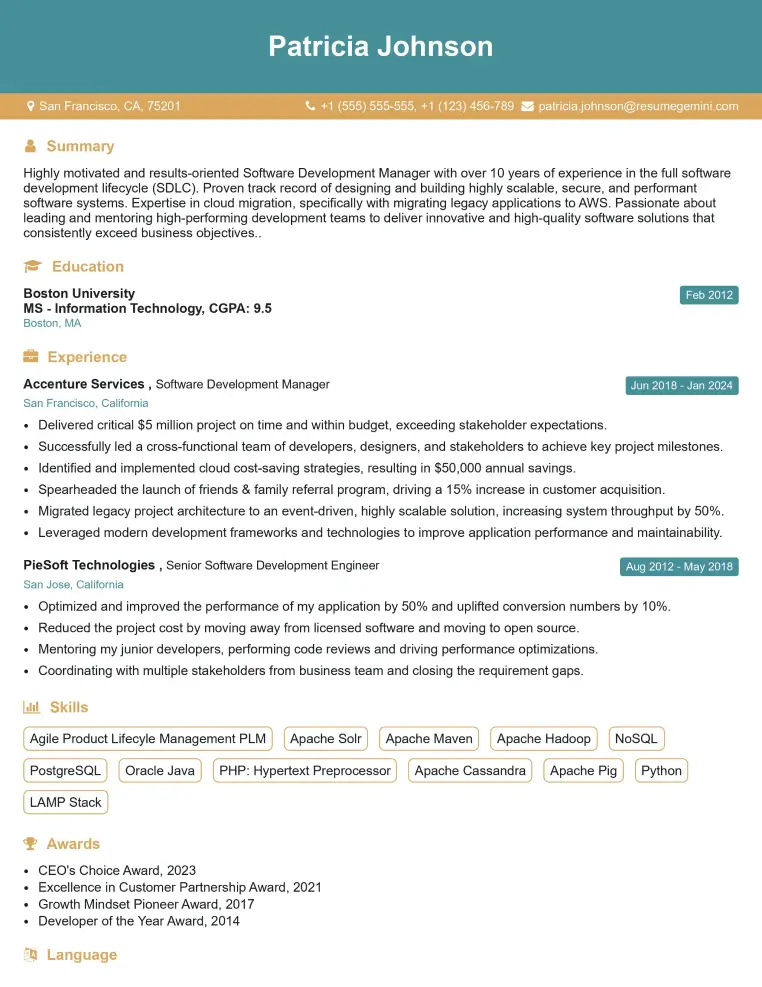
Elevate your job search with our premium resume templates. Here is an amazing resume template that can be used to build a professional and elegant resume. You can build a resume from scratch or revamp your existing resume. Impress hiring managers and secure your next opportunity.
- Top 50 Most Common Interview Questions
- The Psychology of a Great Resume: Hacks to Impress Recruiters
- What Mistakes to Avoid When Writing a Resume: A Comprehensive Guide
- Elevate Your Career with Expert Resume Building: Introducing ResumeGemini
- Crafting Your First Impression: How To Make Free Resume Online For Freshers