





Are you ready to embark on a transformative career journey in 2026? If you’re seeking a career change, whether due to personal aspirations or evolving industry landscapes, this comprehensive guide will equip you with 7 essential tips to navigate your transition seamlessly.
Introspection Unleashed: Discover Your True Calling and Skills
The first step towards a successful career change is to embark on a journey of self-discovery. Reflect on your interests, passions, and values. Consider what motivates you and brings you joy. Identify your strengths, skills, and areas for growth. This introspection will provide invaluable insights into potential career paths that align with your true calling.
Research and Explore: Identify Industries and Roles That Align with Your Passions
Once you have a clearer understanding of your skills and aspirations, embark on thorough research to identify industries and roles that resonate with your interests. Explore various industries, job descriptions, and company profiles. Attend industry events, connect with professionals in your target field, and seek mentorship opportunities. The more informed you are, the better equipped you’ll be to make informed career decisions.
Network and Build Connections: Leverage Your Existing Network and Forge New Ones
Networking is crucial for career changers. Reach out to your existing network, including friends, family, former colleagues, and mentors. Attend industry events, conferences, and meetups to expand your connections. The more people you connect with, the more opportunities you’ll uncover. Don’t hesitate to ask for advice, guidance, and support from those in your network.
Craft a Compelling Resume and Cover Letter: Highlight Transferable Skills and Emphasize Your Value
Your resume and cover letter are essential tools in your job search arsenal. Showcase your transferable skills that are relevant to your target industry and roles. Use strong action verbs and quantify your accomplishments to demonstrate your impact. Tailor your resume and cover letter to each job application, highlighting how your skills and experience align with the job requirements. ResumeGemini offers a wide range of customizable resume templates and cover letter samples to help you craft a standout application.
Leverage Training and Education: Enhance Your Skills and Knowledge to Meet Industry Demands
If necessary, consider pursuing additional training or education to enhance your skills and knowledge to meet the demands of your desired industry. This may include attending workshops, enrolling in online courses, or pursuing a graduate degree. By investing in your professional development, you’ll increase your competitiveness in the job market.
Prepare for Interviews: Showcase Your Adaptability and Soft Skills
Interview preparation is essential for career changers. Research the company and the specific role you’re applying for. Practice answering common interview questions, highlighting your transferable skills and adaptability. Showcase your soft skills, such as communication, problem-solving, and teamwork. Prepare questions to ask the interviewer, demonstrating your genuine interest in the opportunity.
Embrace the Journey: Embrace the Challenges and Celebrate Your Achievements
A career change is a journey filled with challenges and opportunities. Embrace the learning curve, seek feedback, and stay resilient in the face of setbacks. Celebrate your successes along the way, both big and small. Remember that career growth is a continuous process, and each accomplishment brings you closer to your ultimate goal.
Career Expert Tips:
- Select the ideal resume template to showcase your professional experience effectively.
- Master the art of resume writing to highlight your unique qualifications and achievements.
- Checkout the resume writing tips for guidance and best practices.
- Make your 2025 brighter with a new job. Build a powerful resume with ResumeGemini and save big, enjoy exclusive discounts on premium templates.
Frequently Asked Questions (FAQ’s)
How can I make a successful career change in 2026?
Navigating a career change can be a daunting but rewarding journey. To ensure a successful transition in 2026, consider the following strategies:
- Introspection and Assessment: Begin by thoroughly evaluating your skills, interests, values, and career goals. Identify transferable skills from your current or previous roles that can be leveraged in your new field.
- Research and Exploration: Explore different industries, job roles, and companies that align with your interests and aspirations. Attend industry events, network with professionals, and leverage online resources to gather insights and identify potential opportunities.
- Education and Skill Development: Pursue additional education, training, or certifications to bridge any knowledge or skill gaps. Consider formal programs, online courses, or workshops to enhance your qualifications and make you a more competitive candidate.
- Networking and Building Connections: Build relationships with professionals in your target industry. Attend industry events, join professional associations, and leverage LinkedIn to connect with potential mentors, hiring managers, and recruiters.
- Tailoring Your Resume and Cover Letter: Highlight your transferable skills and relevant experience in your resume and cover letter. Tailor your application materials to each specific job you apply for, emphasizing how your qualifications align with the requirements of the position.
- Interview Preparation: Prepare thoroughly for interviews by researching the company, practicing your responses to common interview questions, and rehearsing your elevator pitch. Showcase your transferable skills, enthusiasm for the new career path, and eagerness to learn and contribute.
- Leveraging Resources: Utilize available resources to support your career change journey. Explore career counseling services, online job boards, and resume writing platforms like ResumeGemini to enhance your job search and application process.
What are the key steps involved in changing careers?
Changing careers typically involves a series of key steps:
- Self-Assessment and Exploration: Assess your skills, interests, values, and career goals. Research different industries, job roles, and companies that align with your aspirations.
- Skill Development and Education: Identify any knowledge or skill gaps and pursue additional education, training, or certifications to enhance your qualifications.
- Networking and Relationship Building: Build relationships with professionals in your target industry and expand your professional network. Attend industry events, join professional associations, and leverage LinkedIn.
- Resume and Cover Letter Optimization: Tailor your resume and cover letter to each specific job you apply for, highlighting transferable skills and relevant experience.
- Interview Preparation and Practice: Prepare thoroughly for interviews by researching the company, practicing your responses, and rehearsing your elevator pitch.
- Job Search and Application: Utilize job boards, online platforms, and your professional network to find and apply for suitable positions.
- Negotiation and Acceptance: If you receive a job offer, be prepared to negotiate salary, benefits, and other terms of employment. Once you accept the position, ensure a smooth transition into your new role.
How can I identify industries and roles that align with my skills and interests?
Identifying industries and roles that align with your skills and interests involves a combination of introspection and research:
- Introspection and Self-Assessment: Begin by thoroughly evaluating your skills, interests, values, and career goals. Consider your past experiences, accomplishments, and what aspects of your work bring you the most satisfaction.
- Research and Exploration: Research different industries and job roles to identify potential matches. Attend industry events, network with professionals, and leverage online resources to gather insights and identify potential opportunities.
- Transferable Skills Analysis: Analyze your skills and identify those that are transferable to other industries or job roles. Highlight these transferable skills in your resume and cover letter.
- Industry Research: Explore various industries to learn about their trends, growth potential, and job market conditions. Identify industries that align with your interests and where your skills and experience can be valuable.
- Job Role Exploration: Research different job roles within your target industries. Consider the responsibilities, qualifications, and career paths associated with each role to identify those that best suit your skills and aspirations.
What are the most common challenges faced by career changers?
Career changers commonly encounter several challenges during their transition:
- Skill Gaps: Identifying and addressing any knowledge or skill gaps that may hinder your competitiveness in your new career path.
- Lack of Experience: Overcoming the perception that you lack direct experience in your target industry or job role.
- Networking and Building Connections: Establishing a professional network in your new field and building relationships with potential mentors and hiring managers.
- Ageism or Bias: Facing potential biases or age-related discrimination, particularly if you are transitioning to a new career later in life.
- Financial Considerations: Managing the financial implications of pursuing additional education, training, or taking a temporary pay cut during the transition.
- Emotional Challenges: Dealing with the emotional challenges of leaving a familiar career path and embracing a new one, including self-doubt and uncertainty.
- Time Constraints: Balancing the demands of your current job or responsibilities with the time required for education, skill development, and networking.
How can I prepare for interviews when changing careers?
Preparing for interviews when changing careers requires a tailored approach:
- Research the Company and Role: Thoroughly research the company you are applying to and the specific job role. Understand their values, culture, and the responsibilities associated with the position.
- Highlight Transferable Skills: Emphasize your transferable skills and how they align with the requirements of the new role. Provide specific examples and quantify your accomplishments whenever possible.
- Address Lack of Experience: Acknowledge any gaps in direct experience and focus on your enthusiasm for the new career path. Highlight your eagerness to learn and your ability to quickly adapt to new challenges.
- Practice Your Responses: Practice your responses to common interview questions, such as “Tell me about yourself” and “Why are you interested in this role?” Tailor your answers to each specific job application.
- Prepare Questions: Prepare thoughtful questions to ask the interviewer. This demonstrates your interest in the company and the role and allows you to gather additional information.
- Dress Professionally and Confidently: Dress appropriately for the interview and maintain a confident demeanor. Your appearance and body language can convey your professionalism and enthusiasm.
How can I leverage ResumeGemini to enhance my career change journey?
ResumeGemini offers valuable tools and resources to support your career change journey:
- Professional Resume Templates: Choose from a variety of professionally designed resume templates that are ATS-friendly and tailored to different industries and job roles.
- Transferable Skills Identification: Utilize ResumeGemini’s AI-powered resume builder to identify and highlight your transferable skills, making it easier for recruiters to see your value in a new career path.
- Keyword Optimization: Optimize your resume for relevant keywords using ResumeGemini’s keyword suggestions. This increases your visibility to potential employers and improves your chances of getting noticed.
- Cover Letter Builder: Craft a compelling cover letter that complements your resume and showcases your enthusiasm for the new career path.
- Resume Review and Feedback: Get personalized feedback on your resume from ResumeGemini’s team of resume experts to ensure it is polished and effective.
- Job Search Assistance: Utilize ResumeGemini’s job search tools to find and apply for suitable positions that align with your career goals.
Next Step:
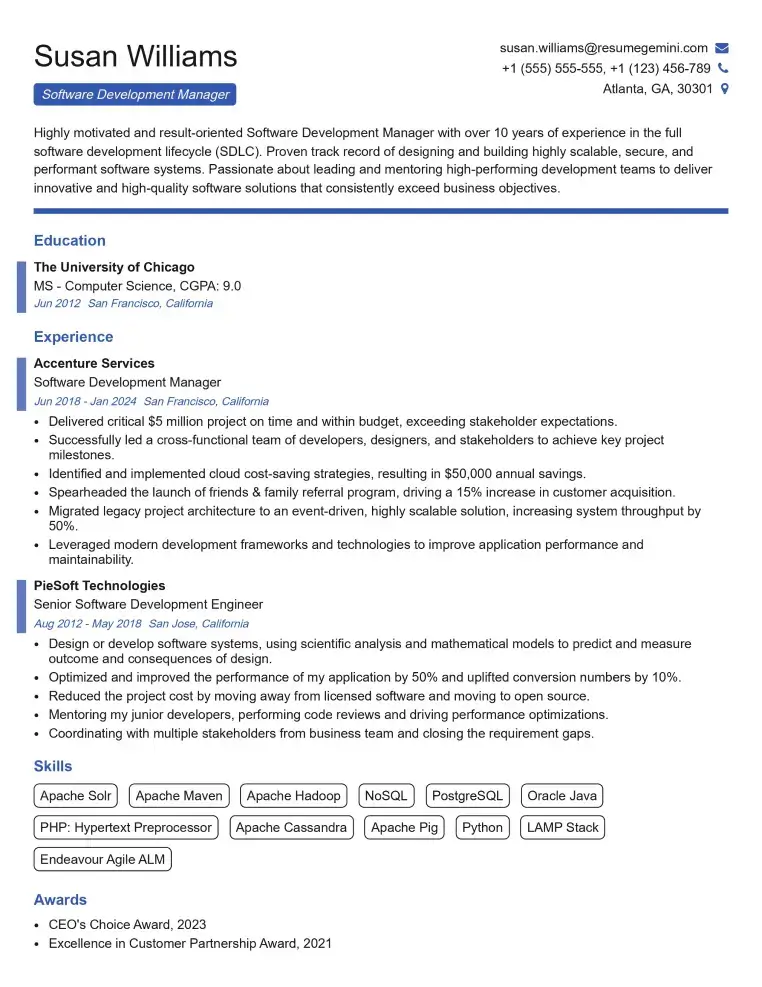
Elevate your job search with our premium resume templates. Here is an amazing resume template that can be used to build a professional and elegant resume. You can build a resume from scratch or revamp your existing resume. Impress hiring managers and secure your next opportunity.
- Top 50 Most Common Interview Questions
- The Psychology of a Great Resume: Hacks to Impress Recruiters
- What Mistakes to Avoid When Writing a Resume: A Comprehensive Guide
- Elevate Your Career with Expert Resume Building: Introducing ResumeGemini
- Crafting Your First Impression: How To Make Free Resume Online For Freshers