





Embark on a transformative journey as we unveil the secrets to crafting a compelling resume that will propel you towards your dream career switch in 2026. Let’s dive into the world of career transitions and discover how to showcase your transferable skills, tailor your resume to diverse industries, and leverage your network and online resources to land your dream job.
Unveiling Your Transferable Skills
Transferable skills are the superpowers that transcend industry boundaries. They represent your adaptability, problem-solving abilities, and communication prowess. To identify your transferable skills, ask yourself:
- What core competencies have I developed throughout my career, regardless of my job title?
- Which skills are highly sought after in my target industry or role?
Once you have identified your transferable skills, highlight them prominently on your resume. Use action verbs and quantify your accomplishments to showcase their impact.
Tailoring Your Resume to Different Industries and Job Roles
A one-size-fits-all resume is a recipe for rejection. Instead, tailor your resume to each industry and job role you apply for. Research the specific requirements, keywords, and industry-specific terms used in job descriptions. Incorporate these elements into your resume to demonstrate your understanding of the field and your qualifications for the role.
Consider using a ResumeGemini template to effortlessly create a customized resume that aligns with your target industry and job role.
Leveraging Your Network to Connect with Hiring Managers
Your network is a treasure trove of potential connections to hiring managers. Reach out to former colleagues, industry contacts, and alumni from your educational institutions. Attend industry events and conferences to expand your network and make meaningful connections.
When reaching out, be professional and specific about how you can add value to their organization. Explain your career transition goals and ask for their advice or introductions to relevant hiring managers.
Utilizing Online Resources and Job Boards for Career Switchers
The internet is a vast resource for career switchers. Utilize online job boards such as LinkedIn, Indeed, and Glassdoor to search for job openings in your target industry. Create job search alerts to stay informed about new opportunities.
Additionally, there are numerous websites and blogs dedicated to career transitions. These resources provide valuable insights, tips, and support to help you navigate the challenges of switching careers.
Preparing for Interviews in a New Field
Interviews for a new career field require preparation and strategic thinking. Research the company, the industry, and the specific role you are applying for. Practice answering common interview questions, especially those related to your transferable skills and how they apply to the new role.
Be prepared to explain your motivation for switching careers and how your experiences and skills make you a valuable asset to the organization. Confidence and enthusiasm are key during interviews, so believe in yourself and your ability to succeed.
Additional Tips for Career Switchers:
- Don’t underestimate the power of your resume and cover letter. These documents are your gateway to a job interview, so invest time and effort into crafting a compelling and error-free resume and cover letter.
- Seek feedback from trusted sources, such as career counselors or mentors, to ensure your resume and application materials are polished and professional.
- Stay positive and persistent throughout the job search process. Career transitions take time and effort, but with determination and a well-crafted resume, you can achieve your career switch goals.
Career Expert Tips:
- Select the ideal resume template to showcase your professional experience effectively.
- Master the art of resume writing to highlight your unique qualifications and achievements.
- Checkout the resume writing tips for guidance and best practices.
- Make your 2025 brighter with a new job. Build a powerful resume with ResumeGemini and save big, enjoy exclusive discounts on premium templates.
Frequently Asked Questions (FAQs)
How do I identify my transferable skills for a career switch?
Identifying transferable skills is crucial for a successful career switch. Here are some strategies to help you pinpoint your transferable skills:
1. Analyze Your Previous Job Responsibilities:
Carefully examine the tasks and responsibilities you held in your previous roles. Highlight skills that are relevant to the new field you’re targeting.
2. Review Job Descriptions:
Study job descriptions for positions in your desired industry. Identify the skills and qualifications that are commonly required. Compare these with your own skills to determine your transferable abilities.
3. Seek Feedback:
Ask former colleagues, supervisors, or mentors for feedback on your strengths and skills. They may provide insights into transferable skills that you may have overlooked.
4. Use Online Assessments:
Leverage online tools and assessments to identify your transferable skills. Many career development websites and platforms offer free or paid assessments that can provide valuable insights.
What are the most important sections to include on my resume for a career switch?
When crafting your resume for a career switch, it’s essential to include the following sections:
1. Strong Objective Statement:
Tailor your objective statement to the specific job you’re applying for, highlighting your relevant skills and experience. Clearly state your career transition goal.
2. Transferable Skills Section:
Create a dedicated section to showcase your transferable skills. Quantify your accomplishments using specific metrics whenever possible.
3. Relevant Experience:
Even if your previous experience is not directly related to your desired field, emphasize transferable skills that are applicable to the new role. Use action verbs and quantify your achievements.
4. Education:
Highlight your educational background, including any degrees, certifications, or training that are relevant to the new career path.
5. Additional Sections:
Consider adding additional sections to your resume, such as Awards, Projects, or Languages, if they showcase your relevant skills and experience.
How do I network effectively to find job opportunities in a new industry?
Networking is a vital tool for finding job opportunities in a new industry. Here are some effective strategies:
1. Attend Industry Events:
Identify conferences, workshops, and meetups related to your target industry. Attend these events to connect with professionals and learn about potential job openings.
2. Join Professional Organizations:
Become a member of professional organizations within your desired field. Engage in their online forums, attend events, and connect with other members who may have insights into job opportunities.
3. Leverage LinkedIn:
Optimize your LinkedIn profile to highlight your transferable skills and career transition goals. Connect with professionals in your target industry and join relevant LinkedIn groups.
4. Inform Your Network:
Inform your existing network, including friends, family, former colleagues, and mentors, about your career switch. They may know of job openings or can refer you to their connections.
What are the key differences in interviewing for a career switch?
Interviewing for a career switch requires a slightly different approach compared to interviewing for a position within your current field. Here are some key differences:
1. Emphasize Transferable Skills:
Highlight your transferable skills and how they translate to the new role. Provide specific examples and quantify your accomplishments to demonstrate your value.
2. Explain Your Motivation:
Articulate your reasons for pursuing a career switch. Explain what drew you to the new industry and how your skills and experience make you a suitable candidate.
3. Research the Industry:
Demonstrate your understanding of the new industry and the specific role you’re applying for. Research the company, its culture, and its competitors.
4. Prepare for Industry-Specific Questions:
Anticipate questions related to the specific industry and how your transferable skills apply to the role. Prepare answers that showcase your enthusiasm and knowledge.
What are the common challenges faced by career switchers?
Career switchers often encounter certain challenges during their transition. Here are some common obstacles and tips on how to overcome them:
1. Lack of Industry Experience:
Address this challenge by highlighting your transferable skills and emphasizing your adaptability and willingness to learn. Emphasize projects or initiatives that demonstrate your ability to quickly grasp new concepts.
2. Age or Career Gap:
Focus on your skills and experience, rather than your age or career gap. Quantify your accomplishments and use keywords that match the job description. Consider emphasizing your maturity, stability, and adaptability.
3. Confidence Issues:
Believe in your abilities and the value you bring to the new industry. Practice your interviewing skills and prepare thoroughly for each interview. Seek support from a career counselor or mentor if needed.
What are the key differences between a resume for a career switch and a resume for a position within the same field?
A resume for a career switch differs from a resume for a position within the same field in several key aspects:
1. Skills Section:
In a career switch resume, the skills section should emphasize transferable skills that are relevant to the new industry. Quantify accomplishments and use specific examples to demonstrate the application of these skills.
2. Experience Section:
Focus on highlighting relevant experience, even if it’s from a different industry. Use action verbs and quantify achievements to showcase your transferable skills and adaptability.
3. Objective Statement:
The objective statement should clearly state your career transition goal and how your skills and experience align with the new role. Tailor the statement to each job application to emphasize your interest in the specific position.
4. Education and Certifications:
Include any relevant education or certifications that support your career switch. Highlight courses or programs that demonstrate your commitment to the new industry and your willingness to learn.
Next Step:
Crafting a powerful resume is crucial for a successful career switch in 2026. By identifying your transferable skills, tailoring your resume to each job application, and effectively networking within the new industry, you can increase your chances of landing your dream job. ResumeGemini offers a comprehensive suite of tools and resources to help you create a professional, ATS-friendly resume that showcases your skills and experience. Get started today and take the first step towards your successful career transition!
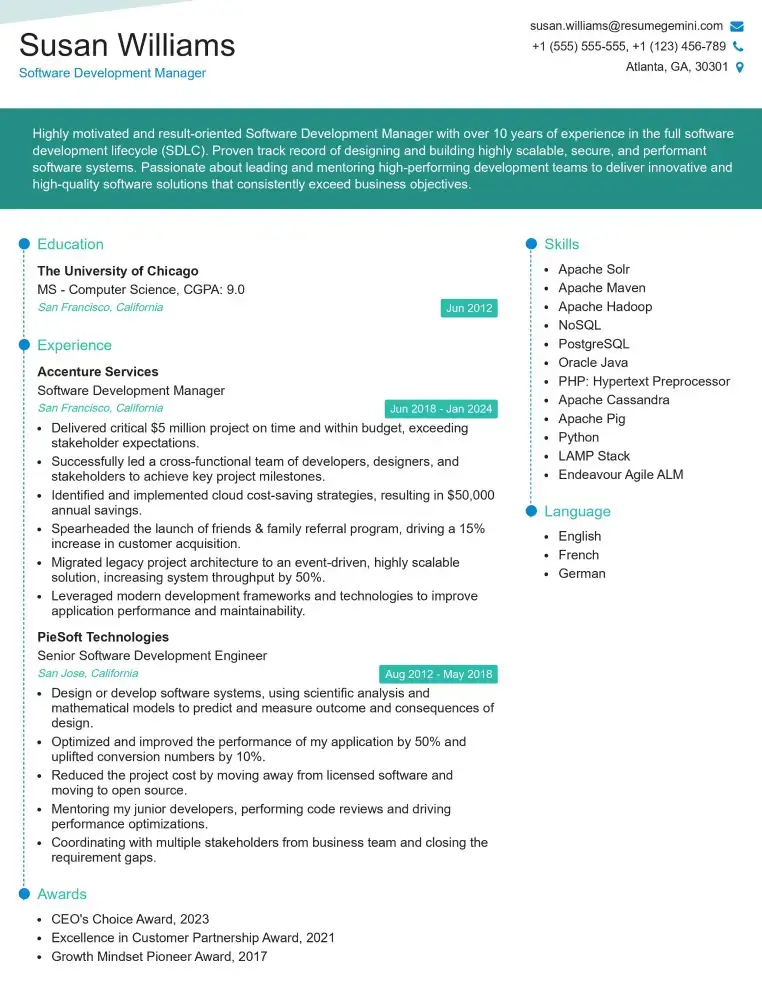
Elevate your job search with our premium resume templates. Here is an amazing resume template that can be used to build a professional and elegant resume. You can build a resume from scratch or revamp your existing resume. Impress hiring managers and secure your next opportunity.
- Top 50 Most Common Interview Questions
- The Psychology of a Great Resume: Hacks to Impress Recruiters
- What Mistakes to Avoid When Writing a Resume: A Comprehensive Guide
- Elevate Your Career with Expert Resume Building: Introducing ResumeGemini
- Crafting Your First Impression: How To Make Free Resume Online For Freshers