





As you embark on the exciting journey of job hunting, the significance of meticulous preparation cannot be overstated. With the right strategies in place, you can elevate your interview performance and maximize your chances of landing your dream job in 2026.
Researching the Company and Role
Thorough research is crucial to showcasing your genuine interest in both the company and the specific role you’re applying for. Here’s how to do it effectively:
- Company Website: Explore the company’s website to understand their mission, values, products/services, recent news, and financial performance. This knowledge will help you tailor your responses to demonstrate your alignment with their goals.
- Social Media Presence: Follow the company on platforms like LinkedIn, Twitter, and Facebook to stay updated on their industry involvement, latest announcements, and company culture. This information can provide valuable insights into their work environment.
- Job Description: Carefully review the job description to identify the essential qualifications, skills, and experience required for the role. Highlight these attributes on your resume and in your interview answers.
Practicing Your Responses
Practice makes perfect! Before the interview, take the time to rehearse your answers to common interview questions. This will boost your confidence and ensure that you deliver clear and concise responses.
- STAR Method: Utilize the STAR method (Situation, Task, Action, Result) to structure your answers and provide specific examples of your experiences.
- Mock Interviews: Engage in mock interviews with a friend, family member, or career counselor to receive constructive feedback and identify areas for improvement.
- Record Yourself: Record yourself answering interview questions and review the footage to assess your body language, tone, and overall presentation.
Presenting Your Accomplishments
Interviews are your opportunity to showcase your accomplishments and highlight how your skills and experience can benefit the organization. Here are some tips for presenting them effectively:
- Quantify Your Achievements: Use numbers and metrics to demonstrate the impact of your contributions. For example, instead of saying “Increased sales,” say “Generated over $1 million in additional revenue within the first quarter.”
- Use Action Verbs: Start your accomplishment statements with strong action verbs that convey your role and responsibilities. Examples include “Managed,” “Developed,” “Executed,” and “Spearheaded.”
- Align with the Role: Ensure that the accomplishments you present are relevant to the job you’re applying for. Show how your past experiences have equipped you with the skills and knowledge needed to excel in the new role.
Creating a Strong First Impression
The first few minutes of an interview are crucial for making a positive impression. Here’s how to start off on the right foot:
- Punctuality: Arrive for your interview on time or even slightly early to demonstrate respect for the interviewer’s schedule.
- Professional Appearance: Dress appropriately for the industry and role you’re applying for. First impressions matter, so make sure your attire conveys a sense of professionalism and confidence.
- Confident Body Language: Maintain good posture, make eye contact, and greet the interviewer with a firm handshake. Nonverbal cues can communicate confidence and enthusiasm.
Handling Difficult Questions
Not all interview questions will be straightforward. Here are some strategies for handling difficult questions gracefully:
Staying Composed
When faced with unexpected or challenging questions, it’s important to remain calm and composed. Take a moment to gather your thoughts before responding.
Clarifying the Question
If you’re unsure of the intent of the question, don’t hesitate to ask for clarification. This ensures that you’re providing the interviewer with the information they’re seeking.
Answering Honestly
Honesty is always the best policy. If you don’t know the answer to a question, admit it and offer to research it further. Genuine responses are more convincing than evasive answers.
With ResumeGemini, you have access to a wealth of resources to help you prepare for your job interviews. Our resume builder can help you create a professional resume that showcases your skills and experience. Our resume samples can provide inspiration and guidance as you craft your own resume. And our blog offers a comprehensive collection of articles with tips and advice on all aspects of the job search process.
By following these strategies, you can increase your confidence, enhance your interview performance, and maximize your chances of securing your dream job in 2026. Remember, preparation is key, so invest the time and effort to present yourself as the best possible candidate.
Career Expert Tips:
- Select the ideal resume template to showcase your professional experience effectively.
- Master the art of resume writing to highlight your unique qualifications and achievements.
- Checkout the resume writing tips for guidance and best practices.
- Make your 2025 brighter with a new job. Build a powerful resume with ResumeGemini and save big, enjoy exclusive discounts on premium templates.
Frequently Asked Questions (FAQ’s)
How can I prepare for different types of interview questions?
Identify the different types of interview questions:
- Behavioral questions focus on your past experiences and how you handled specific situations.
- Technical questions assess your knowledge and skills related to the job.
- Hypothetical questions present you with a scenario and ask how you would respond.
- Case study questions require you to analyze a business case and provide your recommendations.
What are the most common interview mistakes I should avoid?
Arriving unprepared: Research the company, the position, and prepare answers to potential questions. Lack of enthusiasm: Show genuine interest and enthusiasm for the opportunity and the company. Inappropriate attire: Dress professionally and appropriately for the industry and company culture. Negative body language: Maintain eye contact, sit up straight, and avoid crossing your arms or fidgeting. Talking too much or interrupting: Be concise and allow the interviewer to ask questions and guide the conversation. Lack of follow-up: Thank the interviewer for their time and follow up within 24-48 hours to reiterate your interest.
How can I build confidence for my interview?
Prepare thoroughly: The more prepared you are, the more confident you will feel. Practice mock interviews: Simulate the interview experience to reduce anxiety and build familiarity. Visualize success: Imagine yourself performing well in the interview and focus on the positive outcomes. Positive self-talk: Replace negative thoughts with positive affirmations and remind yourself of your strengths. Get enough sleep and eat a healthy breakfast: Ensure you are well-rested and have adequate nutrition to support your energy levels. Arrive early: Allowing extra time to arrive at the interview location can help reduce stress and anxiety.
How do I answer behavioral interview questions effectively?
Use the STAR method: Follow the Situation, Task, Action, Result structure to provide concise and structured answers. Highlight transferrable skills: Focus on transferable skills and experiences that are relevant to the position, even if they are not directly related to the job title. Provide specific examples: Use specific examples to illustrate your skills and abilities, rather than generalizing your experiences. Quantify your results: Whenever possible, quantify your results using numbers or data to demonstrate the impact of your actions. Practice your answers: Prepare your responses to common behavioral interview questions to ensure they are clear and concise.
What should I wear and bring to an interview?
Dress professionally: Choose attire that is appropriate for the industry and company culture, erring on the side of formality. Consider the industry and company: Research the company’s dress code and industry norms to ensure your outfit is aligned. Bring necessary documents: Carry copies of your resume, cover letter, references, and any other relevant documents requested by the interviewer. Portfolio or samples: If applicable, bring a portfolio or samples of your work to showcase your skills and experience. Notepad and pen: Take notes during the interview to demonstrate engagement and ask thoughtful questions.
How do I follow up after an interview?
Thank-you note: Send a personalized thank-you note to the interviewer within 24-48 hours, reiterating your interest and key talking points. Email or LinkedIn message: If you don’t receive a response within a week, follow up with a brief email or LinkedIn message inquiring about the status of your application. Phone call: In certain cases, a phone call may be appropriate to follow up and express your enthusiasm. Be persistent but respectful: Follow up regularly but avoid being overly persistent or demanding.
Next Step:
Ace Your Interview with ResumeGemini
Leverage ResumeGemini, the ultimate resume builder, to optimize your resume and boost your chances of interview success. With its expert guidance, you can:
- Craft a compelling resume that highlights your relevant skills and experience.
- Access 3.6 million+ content examples to enhance your resume’s impact.
- Preview and personalize your resume using various templates, fonts, and color themes.
- Benefit from ATS-friendly templates that optimize your resume for automated screening systems.
- Choose from 45,000+ pre-built resume samples to save time and effort.
Don’t wait! Prepare for your next interview with confidence by partnering with ResumeGemini today.
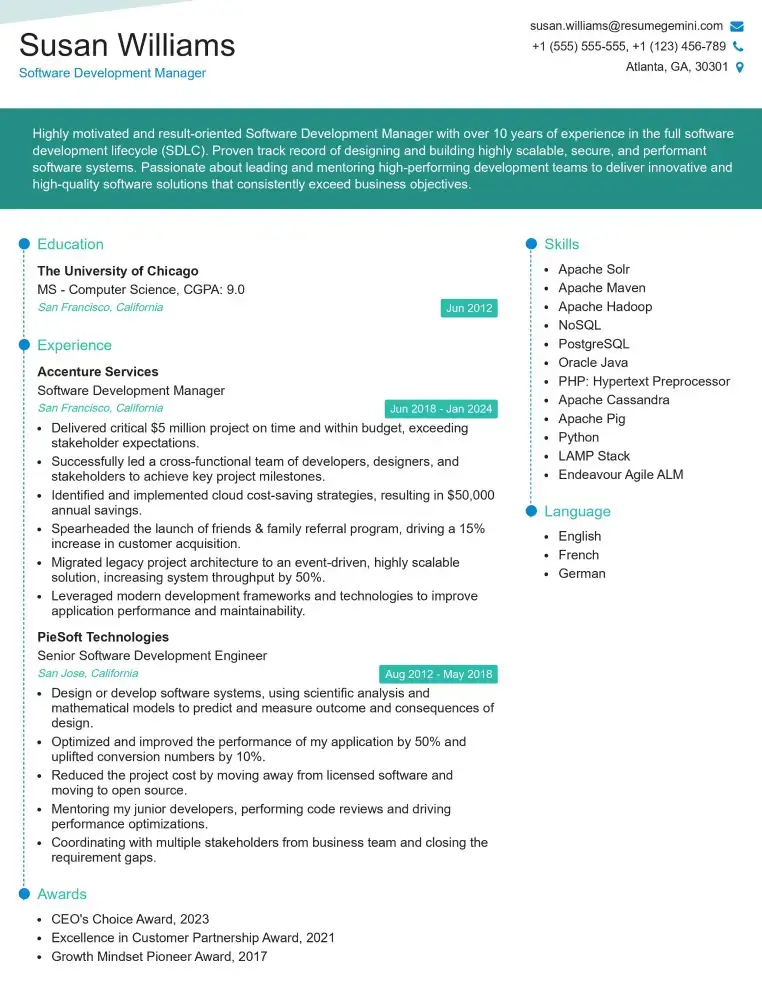
Elevate your job search with our premium resume templates. Here is an amazing resume template that can be used to build a professional and elegant resume. You can build a resume from scratch or revamp your existing resume. Impress hiring managers and secure your next opportunity.
- Top 50 Most Common Interview Questions
- The Psychology of a Great Resume: Hacks to Impress Recruiters
- What Mistakes to Avoid When Writing a Resume: A Comprehensive Guide
- Elevate Your Career with Expert Resume Building: Introducing ResumeGemini
- Crafting Your First Impression: How To Make Free Resume Online For Freshers