





Embarking on a career switch can be both exhilarating and daunting. Crafting a resume that effectively showcases your skills and experience for your new target industry is crucial for success. In this comprehensive guide, we present a 5-step framework that will empower you to transform your resume into a powerful tool for your career transition.
1. Identify Your Transferable Skills
Transferable skills are abilities and knowledge that can be applied across different industries and job roles. Identifying these skills is essential to highlight on your resume, as they demonstrate your adaptability and value to potential employers. Consider the following examples of transferable skills:
- Communication
- Problem-solving
- Teamwork
- Organization
- Data analysis
To identify your transferable skills, reflect on your previous work experience, education, and personal interests. Consider the tasks you have performed successfully, the challenges you have overcome, and the projects you have led.
2. Craft a Compelling Resume Summary
Your resume summary is a concise yet impactful statement that provides a snapshot of your career and aspirations. It should highlight your most relevant skills, experience, and goals for your target industry. Here are some tips for writing a compelling resume summary:
- Keep it brief and to the point (2-3 sentences)
- Use strong action verbs and quantify your achievements whenever possible
- Tailor your summary to the specific job you are applying for
- Consider including keywords from the job description
Example of a compelling resume summary:
“Seasoned marketing professional with 5+ years of experience in digital marketing and brand management. Proven ability to develop and execute successful marketing campaigns that drive brand awareness, lead generation, and sales conversions. Seeking a role in the healthcare industry where I can leverage my skills to make a meaningful impact.”
3. Highlight Your Relevant Experience
When describing your work experience, focus on highlighting the skills and accomplishments that are most relevant to your target industry. Use specific examples to demonstrate your abilities and quantify your results whenever possible. Here are some tips for highlighting your relevant experience:
- Use the STAR method (Situation, Task, Action, Result) to describe your accomplishments
- Use action verbs that convey your impact and responsibilities
- Tailor your experience section to the specific job you are applying for
- Consider including a “Skills” section to list your most relevant skills
Example of highlighting relevant experience:
- Previous Role: Marketing Manager, XYZ Company
- Relevant Accomplishment: “Developed and implemented a digital marketing campaign that resulted in a 20% increase in website traffic and a 15% increase in sales leads.”
4. Acquire New Skills and Certifications
If there are any skills or certifications that are essential for your target industry but you do not currently possess, consider acquiring them through online courses, workshops, or training programs. This demonstrates your commitment to career growth and your willingness to invest in your professional development.
Here are some resources to help you acquire new skills and certifications:
5. Tailor Your Resume to Your Target Industry
Tailoring your resume to each job you apply for is essential to demonstrate your interest in the specific role and company. Here are some tips for tailoring your resume:
- Use keywords from the job description in your resume summary, experience section, and skills section
- Highlight your relevant skills and experience for the target industry
- Research the company and industry to learn about their culture and values
- Consider using a different resume template for each industry you are applying to
By following these 5 steps, you can create a compelling resume that effectively showcases your skills and experience for your career switch. Remember, a well-crafted resume is just one part of the job search process, but it can significantly increase your chances of success.
Career Expert Tips:
- Select the ideal resume template to showcase your professional experience effectively.
- Master the art of resume writing to highlight your unique qualifications and achievements.
- Checkout the resume writing tips for guidance and best practices.
- Make your 2025 brighter with a new job. Build a powerful resume with ResumeGemini and save big, enjoy exclusive discounts on premium templates.
Frequently Asked Questions (FAQ’s)
How can I switch careers successfully?
Career switch can be a daunting task but if done strategically, it can be transformative. Some key steps are:
- Introspection and Planning: Take time to reflect on your skills, interests, and career goals. Research different industries and roles that align with your aspirations.
- Leverage Your Transferable Skills: Identify and highlight skills that are relevant to your target career, even if they were gained in a different industry or role.
- Gain New Knowledge and Experience: Consider enrolling in courses or programs to enhance your knowledge and skills in the desired field. Seek out internships or volunteer opportunities.
- Network and Connect: Attend industry events, join professional organizations, and connect with professionals in your target industry to expand your network and gain insights.
- Prepare a Powerful Resume and Cover Letter: Tailor your resume and cover letter to each target job and highlight your transferable skills and how they apply to the role you’re applying for.
What are the most important elements to include on a resume for a career switch?
Your resume should showcase your most relevant skills, experiences, and qualifications. Key elements to include are:
- Strong Summary: Begin with a compelling summary that highlights your transferable skills and how you can add value to the target role.
- Relevant Experience: Emphasize transferable skills gained in previous roles, even if the industry or job title was different. Quantify your achievements with specific metrics.
- Education and Training: List relevant educational qualifications, certifications, and any specialized training programs.
- Skills Section: Highlight a mix of hard and soft skills that are applicable to your target career. Use keywords relevant to the industry and job you’re applying for.
- Additional Sections: Include sections for awards, accomplishments, certifications, languages, and any other relevant information that further demonstrates your capabilities.
How do I highlight my transferable skills and experience?
Transferable skills are valuable abilities that can be applied across different industries and roles. To highlight them effectively:
- Identify and Articulate: Start by listing your skills and identifying which ones are relevant to your target career. Consider technical, analytical, and soft skills like communication and teamwork.
- Use Context and Quantify: Provide specific examples of how you applied these skills in previous roles and the positive outcomes achieved. Quantify your accomplishments whenever possible.
- Leverage Keywords: Research industry-specific keywords and incorporate them into your resume to highlight your relevant skills and experience.
- Tailor to Each Role: Customize your resume for each job application to showcase the skills and experience most relevant to that particular role.
What are some common mistakes to avoid when writing a resume for a career switch?
To ensure a strong resume for a career switch, it’s important to avoid common pitfalls:
- Lack of Focus: Avoid including irrelevant information or outdated experiences. Keep your resume focused on the most relevant skills and experiences for your target career.
- Insufficient Research: Tailor your resume to each specific role. Research the industry, company, and job description to highlight the skills most sought after.
- Poor Formatting and Structure: Use a clear and concise resume format that enhances readability. Avoid excessive text blocks and use visual elements like bullet points and headings to make your resume easily scannable.
- Typos and Grammatical Errors: Proofread your resume carefully before submitting it. Typos and grammatical errors can create a negative impression.
- Length and Page Limit: Keep your resume concise, typically around one page for entry-level to mid-career professionals. If you have substantial experience, it may extend to two pages, but be selective about what you include.
How do I tailor my resume to specific industries?
Tailoring your resume to specific industries helps you stand out as a qualified candidate. Consider the following strategies:
- Research Industry Jargon and Keywords: Study job descriptions and industry-specific articles to identify key terms and phrases that are commonly used in the target industry.
- Highlight Relevant Experience and Skills: Emphasize projects, accomplishments, and skills that align with the requirements of the target industry. For instance, if you’re transitioning to IT, highlight your technical skills and experience in software development or data analysis.
- Quantify and Showcase Impact: Use numbers and metrics to quantify your achievements and demonstrate the impact you’ve made in previous roles that are relevant to the target industry.
- Network and Seek Referrals: Connect with professionals in your target industry to gain insights and potentially secure referrals. Attend industry events and join professional organizations.
Is it necessary to include a cover letter with my resume?
A cover letter is typically recommended to accompany your resume as it provides an opportunity to further introduce yourself, explain your career change, and highlight your motivation for applying to the specific role. However, some industries or hiring managers may not require or read cover letters. Consider the following suggestions:
- Follow Instructions: If the job application specifies that a cover letter is not required, it’s generally not necessary to submit one.
- Customize and Highlight Value: If a cover letter is requested or you believe it will enhance your application, tailor it to the specific role and company, and use it to highlight your unique qualifications and how you can add value to the organization.
- Keep it Concise: Aim for a concise cover letter, typically around 3-4 paragraphs. Focus on the most relevant aspects of your background and how they align with the target position.
- Proofread and Seek Feedback: Carefully proofread your cover letter for any errors or inconsistencies. Consider asking a trusted friend, family member, or career counselor to review it and provide feedback.
Next Step:
Harness the power of ResumeGemini to transform your resume for a successful career switch. With our comprehensive resume builder, you can easily create a powerful and ATS-friendly resume that effectively showcases your transferable skills and experience. Choose from a variety of customizable templates to create a professional and eye-catching resume that will make a lasting impression on potential employers. Don’t wait, take the first step towards your dream career today!
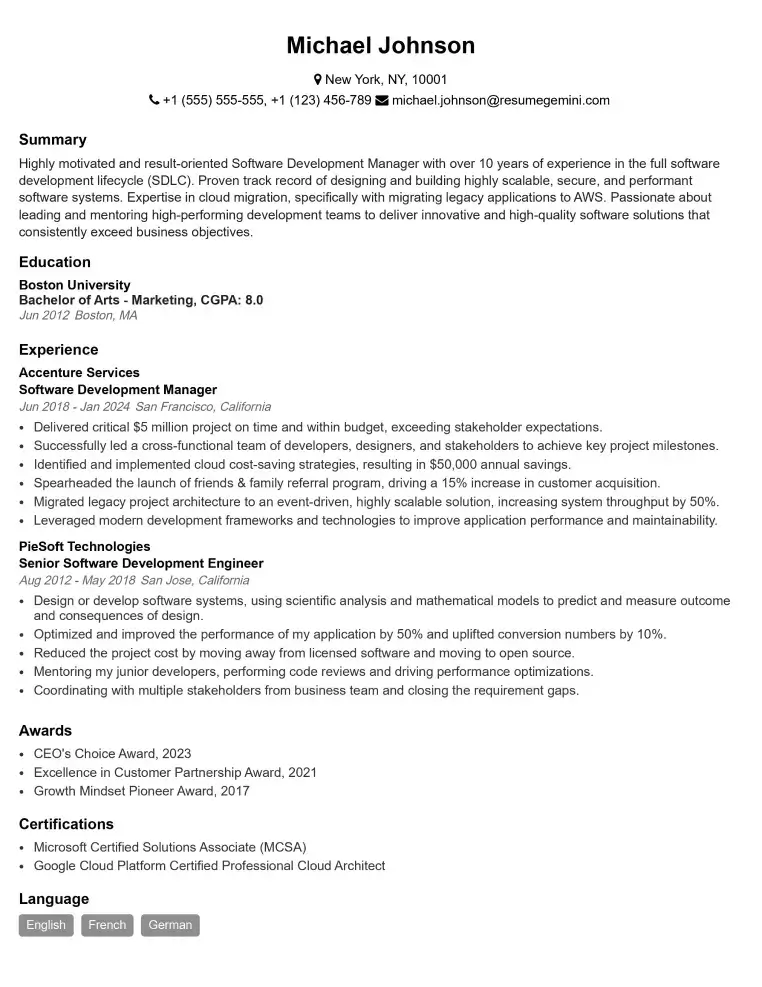
Elevate your job search with our premium resume templates. Here is an amazing resume template that can be used to build a professional and elegant resume. You can build a resume from scratch or revamp your existing resume. Impress hiring managers and secure your next opportunity.
- Top 50 Most Common Interview Questions
- The Psychology of a Great Resume: Hacks to Impress Recruiters
- What Mistakes to Avoid When Writing a Resume: A Comprehensive Guide
- Elevate Your Career with Expert Resume Building: Introducing ResumeGemini
- Crafting Your First Impression: How To Make Free Resume Online For Freshers