





Interview anxiety is a common and debilitating experience that affects many people. It can manifest in a variety of ways, from sweaty palms and trembling hands to a pounding heart and racing thoughts. While some anxiety is normal, excessive anxiety can interfere with your ability to perform well in an interview and sabotage your chances of getting the job.
Understanding and Managing Interview Anxiety
The first step to overcoming interview anxiety is to understand what causes it. There are a number of factors that can contribute to interview anxiety, including:
- Fear of failure
- Fear of being judged
- Lack of confidence in your abilities
- Unrealistic expectations
- Negative self-talk
Once you understand what triggers your interview anxiety, you can start to develop strategies to manage it. Here are a few tips:
- Practice relaxation techniques. There are a number of relaxation techniques that can help to calm your nerves before an interview. Some popular techniques include deep breathing, meditation, and yoga.
- Visualize success. Spend some time before the interview visualizing yourself succeeding. See yourself answering the questions confidently and making a great impression on the interviewer.
- Focus on your strengths. Instead of dwelling on your weaknesses, focus on your strengths and what you bring to the table. This will help you to feel more confident and prepared.
- Be prepared. One of the best ways to reduce interview anxiety is to be prepared. Make sure you know what the company does, what the position entails, and what the interviewer is likely to ask you. The more prepared you are, the less anxious you will feel.
- Arrive early. Giving yourself plenty of time to get to the interview will help you to feel less rushed and stressed.
5 Proven Techniques to Calm Your Nerves
In addition to the general tips above, here are five proven techniques that can help you to calm your nerves before an interview:
- Take a deep breath. When you feel your anxiety rising, take a deep breath and hold it for a few seconds. Then, slowly release the breath. Repeat this process until you feel calmer.
- Focus on your breathing. Pay attention to your breathing and try to control it. Slow, deep breaths can help to relax your body and mind.
- Challenge your negative thoughts. When you start to have negative thoughts, challenge them. Ask yourself if there is any evidence to support these thoughts. Chances are, there isn’t. Replace your negative thoughts with positive ones.
- Visualize success. Spend some time before the interview visualizing yourself succeeding. See yourself answering the questions confidently and making a great impression on the interviewer.
- Positive affirmations. Repeat positive affirmations to yourself before and during the interview. These affirmations can help to boost your confidence and reduce your anxiety.
Preparing for Common Interview Questions
One of the best ways to reduce interview anxiety is to be prepared. Make sure you know what the company does, what the position entails, and what the interviewer is likely to ask you. Here are some of the most common interview questions:
- Tell me about yourself.
- Why are you interested in this position?
- What are your strengths?
- What are your weaknesses?
- Why should we hire you?
Take some time to practice answering these questions. The more prepared you are, the more confident you will feel during the interview.
Presenting Yourself Confidently
In addition to being prepared, it is also important to present yourself confidently during the interview. Here are a few tips:
- Make eye contact. Eye contact shows that you are engaged and interested in the conversation. It also makes you appear more confident.
- Smile. A smile can make you appear more approachable and friendly. It can also help to put the interviewer at ease.
- Speak clearly and concisely. Avoid using jargon or technical terms that the interviewer may not understand. Speak clearly and concisely so that the interviewer can easily follow what you are saying.
- Be enthusiastic. Enthusiasm is contagious. If you are excited about the position and the company, the interviewer will be more likely to be excited about you.
Asking Insightful Questions to Impress
One of the best ways to show the interviewer that you are interested in the position and the company is to ask insightful questions. This shows that you are engaged and that you are taking the interview seriously. Here are a few tips for asking insightful questions:
- Do your research. Before the interview, take some time to research the company and the position. This will give you a better understanding of the company’s culture, goals, and challenges. You can then use this knowledge to ask informed questions.
- Ask open-ended questions. Open-ended questions are questions that cannot be answered with a simple yes or no. These types of questions allow you to get more information from the interviewer and show that you are interested in learning more about the position and the company.
- Be specific. Avoid asking general questions that could be answered with a quick Google search. Instead, ask specific questions that show that you have done your research and that you are interested in the specific position and company.
Following Up Effectively After the Interview
Once the interview is over, it is important to follow up effectively. This shows the interviewer that you are still interested in the position and that you are serious about getting the job. Here are a few tips for following up:
- Send a thank-you note. Within 24 hours of the interview, send a thank-you note to the interviewer. In the note, thank the interviewer for their time and reiterate your interest in the position. You can also use the thank-you note to highlight any of your skills or experience that you think would be beneficial to the company.
- Follow up via email or phone. If you do not hear back from the interviewer within a week, follow up via email or phone. In the email or phone call, reiterate your interest in the position and ask if there is any additional information you can provide.
- Be patient. The hiring process can take time. Don’t get discouraged if you don’t hear back from the interviewer right away. Be patient and continue to follow up until you hear back.
Interviewing for a job can be a nerve-wracking experience, but by following these tips, you can overcome your anxiety and present yourself confidently. Remember, the more prepared you are, the less anxious you will feel.
If you are looking for a job, ResumeGemini can help you create a professional resume that will make you stand out from the competition. Our resume builder is easy to use and offers a variety of templates to choose from. With ResumeGemini, you can create a resume that will help you land the job you want.
Career Expert Tips:
- Select the ideal resume template to showcase your professional experience effectively.
- Master the art of resume writing to highlight your unique qualifications and achievements.
- Checkout the resume writing tips for guidance and best practices.
- Make your 2025 brighter with a new job. Build a powerful resume with ResumeGemini and save big, enjoy exclusive discounts on premium templates.
Frequently Asked Questions (FAQ’s)
What are the common causes of interview anxiety?
Interview anxiety is a common experience that can affect even the most qualified candidates. Several factors can contribute to interview anxiety, including:
- Fear of failure or negative evaluation
- Lack of confidence in one’s abilities
- Unfamiliarity with the interview process
- High stakes and pressure to perform well
- Social anxiety or discomfort in unfamiliar social situations
How can I overcome negative thoughts and self-doubt?
Overcoming negative thoughts and self-doubt is crucial for managing interview anxiety. Here are some effective strategies:
- Challenge and reframe negative thoughts: Replace negative thoughts with more positive and realistic ones. Instead of thinking “I’m not good enough,” try framing it as “I have valuable skills and experience to offer.”
- Focus on your strengths: Make a list of your accomplishments, skills, and qualifications. Remind yourself of your capabilities and why you’re a suitable candidate for the position.
- Practice self-affirmations: Write down positive affirmations and repeat them to yourself regularly. They can help boost your confidence and reduce negative self-talk.
- Surround yourself with positivity: Spend time with supportive individuals who believe in you and encourage your efforts. Avoid people who make you feel inadequate or anxious.
What are some effective relaxation techniques I can use before an interview?
Relaxation techniques can help calm your nerves and reduce anxiety before an interview. Here are a few effective methods:
- Deep breathing exercises: Inhale slowly and deeply through your nose, filling your lungs with air. Exhale gently through your mouth. Repeat for several minutes.
- Progressive muscle relaxation: Tense and release different muscle groups in your body, starting with your toes and working your way up to your head. This helps release tension and promote relaxation.
- Visualization: Close your eyes and visualize yourself in the interview, feeling confident and answering questions successfully. This helps build positive expectations and reduce anxiety.
- Mindfulness: Focus on the present moment and observe your thoughts and feelings without judgment. This can help calm your racing mind and bring about a sense of peace.
How should I prepare for the most common interview questions?
Preparation is key to tackling interview questions confidently. Research the company, the position, and the industry to gain insights into the potential questions you may face. Prepare responses to these common interview questions:
- Tell me about yourself: Highlight your relevant skills, experience, and career goals. Avoid generic answers and tailor your response to the specific role and company.
- Why are you interested in this position? Express your genuine interest in the role and the company, explaining how your qualifications align with the job requirements.
- What are your strengths and weaknesses? Focus on your relevant strengths and how they make you a suitable candidate for the position. Regarding weaknesses, be honest and discuss areas you’re working on improving.
- Why should we hire you? Summarize your key qualifications and skills, and explain why you’re the best candidate for the role.
What are some tips for presenting myself confidently during an interview?
Projecting confidence during an interview is essential for making a positive impression. Here are some tips:
- Maintain good posture: Sit up straight and make eye contact with the interviewer. This demonstrates confidence and attentiveness.
- Speak clearly and concisely: Articulate your answers and avoid mumbling or using filler words like “um” or “like.”
- Use positive body language: Avoid fidgeting, crossing your arms, or slouching. Instead, use open and inviting gestures.
- Be yourself: Authenticity is key. Don’t try to be someone you’re not. The interviewer wants to get to know the real you.
- Prepare questions for the interviewer: Asking thoughtful questions shows your engagement and interest in the position and the company.
How can I follow up after an interview to make a lasting impression?
Following up after an interview is crucial for demonstrating your interest and professionalism. Send a thank-you note within 24 hours of the interview, expressing your gratitude and reiterating your key qualifications. Consider highlighting a specific aspect of the interview or conversation that you found particularly interesting or relevant to the role. If you have any additional information or questions, include them in your follow-up.
Next Step:
Now that you’re equipped with these strategies to conquer interview anxiety, it’s time to put them into action. Visit ResumeGemini to create a professional resume that showcases your skills and qualifications. With our extensive library of customizable templates, you can create a resume that stands out and helps you make a great first impression. Remember, confidence is key, so prepare thoroughly, practice your answers, and approach the interview with a positive mindset. Success awaits those who dare to conquer their fears and embrace the opportunity to shine!
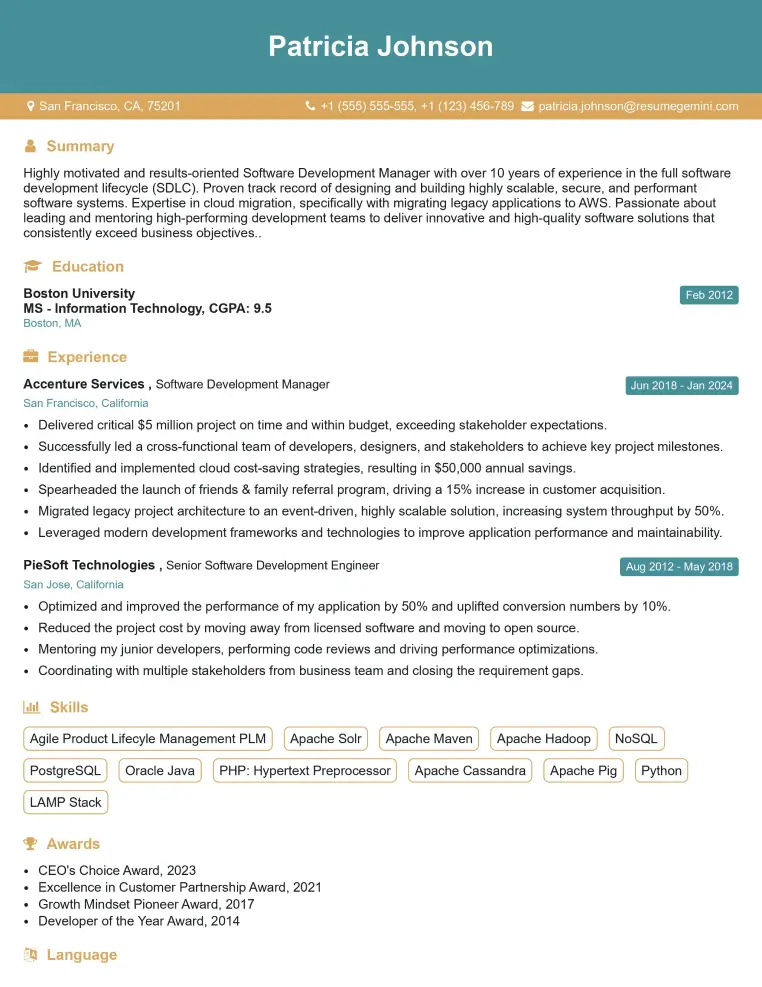
Elevate your job search with our premium resume templates. Here is an amazing resume template that can be used to build a professional and elegant resume. You can build a resume from scratch or revamp your existing resume. Impress hiring managers and secure your next opportunity.
- Top 50 Most Common Interview Questions
- The Psychology of a Great Resume: Hacks to Impress Recruiters
- What Mistakes to Avoid When Writing a Resume: A Comprehensive Guide
- Elevate Your Career with Expert Resume Building: Introducing ResumeGemini
- Crafting Your First Impression: How To Make Free Resume Online For Freshers