





A well-crafted cover letter can significantly enhance your job application and make the difference between an interview and a rejection. However, writing an impactful cover letter can be a daunting task. To assist you in creating a stellar cover letter, we at ResumeGemini have compiled three powerful templates that will help you showcase your skills and secure your dream job.
Tailor Your Cover Letter to Each Job Application
Avoid the pitfall of using a generic cover letter for all your applications. Instead, the key to success lies in customizing your cover letter for each specific job you apply for. Carefully read the job description and identify the skills and experience the employer seeks. Highlight these desired attributes in your cover letter, providing specific examples of how your qualifications align with the role. This personalized approach demonstrates your genuine interest in the position and increases your chances of getting noticed.
Highlight Your Unique Value Proposition
Your cover letter should not be a mere rehash of your resume. Instead, use it to showcase your unique value proposition – what sets you apart from other candidates. Identify your most relevant skills and experience, and quantify your accomplishments whenever possible. Use action verbs to convey your contributions and impact, and provide concrete examples to support your claims. By highlighting your unique abilities and how they align with the job requirements, you make a persuasive case for your candidacy.
Showcase Your Writing Skills and Professionalism
Your cover letter is not only an opportunity to convey your qualifications but also to showcase your writing skills and professionalism. Use clear and concise language, avoiding jargon and technical terms that may alienate the reader. Pay meticulous attention to grammar, spelling, and punctuation, as any errors can create a negative impression. Moreover, use a professional font and layout, ensuring your cover letter is visually appealing and easy to read. These details demonstrate your attention to detail, professionalism, and respect for the employer’s time.
Follow Industry Best Practices for Formatting and Structure
While it’s important to customize your cover letter, it’s equally essential to adhere to industry best practices for formatting and structure. Generally, a cover letter should not exceed one page in length and use a standard font size (11-12 pt). Include your contact information in the header, followed by the date and the recipient’s information. Use a formal salutation, such as “Dear Hiring Manager,” and sign off with a professional closing, such as “Sincerely.” By following these guidelines, you create a polished and professional cover letter that meets industry expectations.
Proofread and Edit Meticulously
Before submitting your cover letter, take the time to proofread it meticulously. Check for any errors in grammar, spelling, or punctuation, as even a minor mistake can undermine your professionalism. Have a trusted friend or colleague review your cover letter to provide fresh eyes and catch any potential errors. Remember, a polished and error-free cover letter reflects positively on your attention to detail and care for your presentation.
In addition to the tips discussed above, we encourage you to leverage the resources available at ResumeGemini. Our platform offers a comprehensive collection of pre-built resume and cover letter templates, making it easy to create professional and tailored job application materials. With ResumeGemini, you can streamline your job search process and increase your chances of success.
Unlock the power of a captivating cover letter today. Follow our templates, implement the principles outlined in this blog, and present yourself as a highly qualified and professional candidate. Let your cover letter be the key that unlocks the door to your dream job.
Career Expert Tips:
- Select the ideal resume template to showcase your professional experience effectively.
- Master the art of resume writing to highlight your unique qualifications and achievements.
- Checkout the resume writing tips for guidance and best practices.
- Make your 2025 brighter with a new job. Build a powerful resume with ResumeGemini and save big, enjoy exclusive discounts on premium templates.
Frequently Asked Questions (FAQ’s)
How do I write a compelling cover letter that complements my strong CV?
A powerful cover letter acts as an introduction and complement to your CV, highlighting your skills and suitability for the role. To craft a compelling cover letter, tailor your content to the specific job and company you’re applying for. Showcase your unique value proposition by emphasizing how your experiences and qualifications align with the requirements. Quantify your accomplishments with specific metrics whenever possible, demonstrating the impact of your contributions. Proofread your cover letter carefully to ensure it is free of errors and makes a positive impression. Remember, a well-written cover letter can significantly enhance your chances of landing an interview.
What essential elements must I include in an effective cover letter?
An effective cover letter typically includes several key elements:
- Contact information: Ensure your name, address, phone number, and email address are prominently displayed.
- Salutation: Begin with a professional salutation, addressing the hiring manager by name if possible.
- Introduction: Start with a strong opening sentence that grabs the reader’s attention and highlights your interest in the position.
- Body paragraphs: Highlight your most relevant skills and experiences, explaining how they align with the job requirements. Use specific examples and quantify your accomplishments whenever possible.
- Call to action: End with a clear call to action, expressing your enthusiasm for the opportunity and encouraging the reader to schedule an interview.
How can I craft a cover letter that helps me stand out from other candidates?
To make your cover letter stand out, consider these strategies:
- Research the company and the specific job: Tailor your cover letter to the requirements and culture of the organization.
- Quantify your accomplishments: Use specific metrics to demonstrate the impact of your contributions in previous roles.
- Highlight transferable skills: Emphasize skills that are relevant to the job, even if you don’t have direct experience in the specific industry.
- Proofread carefully: Ensure your cover letter is free of grammatical and spelling errors, as a polished and professional presentation can leave a positive impression.
- Consider using a cover letter template: Templates can provide a helpful structure and guidance, but be sure to personalize the content to fit the specific job and company.
How do I adapt my cover letter to different job applications?
Tailoring your cover letter to each job application is crucial. Here’s how you can adapt your cover letter effectively:
- Review the job description: Carefully read the job description to identify the key requirements and responsibilities.
- Highlight relevant skills and experience: Emphasize the skills and experiences that are most relevant to the specific job you’re applying for.
- Quantify your accomplishments: Use specific metrics to demonstrate the impact of your contributions in previous roles, aligning them with the requirements of the target job.
- Customize the salutation: Address the hiring manager by name in the salutation whenever possible, showing that you’ve taken the time to research the company and the specific job.
- Proofread carefully: Ensure your cover letter is free of grammatical and spelling errors, as a polished and professional presentation can leave a positive impression.
What are the common mistakes to avoid when writing a cover letter?
To avoid common pitfalls when writing a cover letter, keep these mistakes in mind:
- Generic content: Avoid using generic language and phrases. Tailor your cover letter to the specific job and company you’re applying for.
- Typos and grammatical errors: Proofread your cover letter carefully to ensure it is free of errors, as a polished and professional presentation can leave a positive impression.
- Exaggerating or fabricating information: Be honest and accurate in your cover letter. Exaggerating or fabricating information can damage your credibility.
- Lack of focus: Stay focused on the most relevant skills and experiences. Avoid including too much unnecessary information that may distract the reader.
- Negative tone: Maintain a positive and professional tone throughout your cover letter, avoiding any negative language or complaints.
How do I proofread and edit my cover letter effectively?
Effective proofreading and editing are crucial for a polished cover letter. Here are some tips:
- Take a break: Step away from your cover letter for a while before proofreading to return with fresh eyes.
- Read aloud: Reading your cover letter aloud can help you identify errors and awkward phrasing.
- Use grammar-checking tools: Utilize grammar-checking tools to identify potential errors, but don’t rely solely on them.
- Ask for feedback: Seek feedback from a friend, family member, or career counselor to gain an outside perspective on your cover letter.
- Check for consistency: Ensure consistency in terms of formatting, font, and tone throughout your cover letter.
Next Step:
Enhance your job application strategy with ResumeGemini. Our platform provides a comprehensive suite of tools to help you create a polished and professional cover letter that will make a lasting impression.
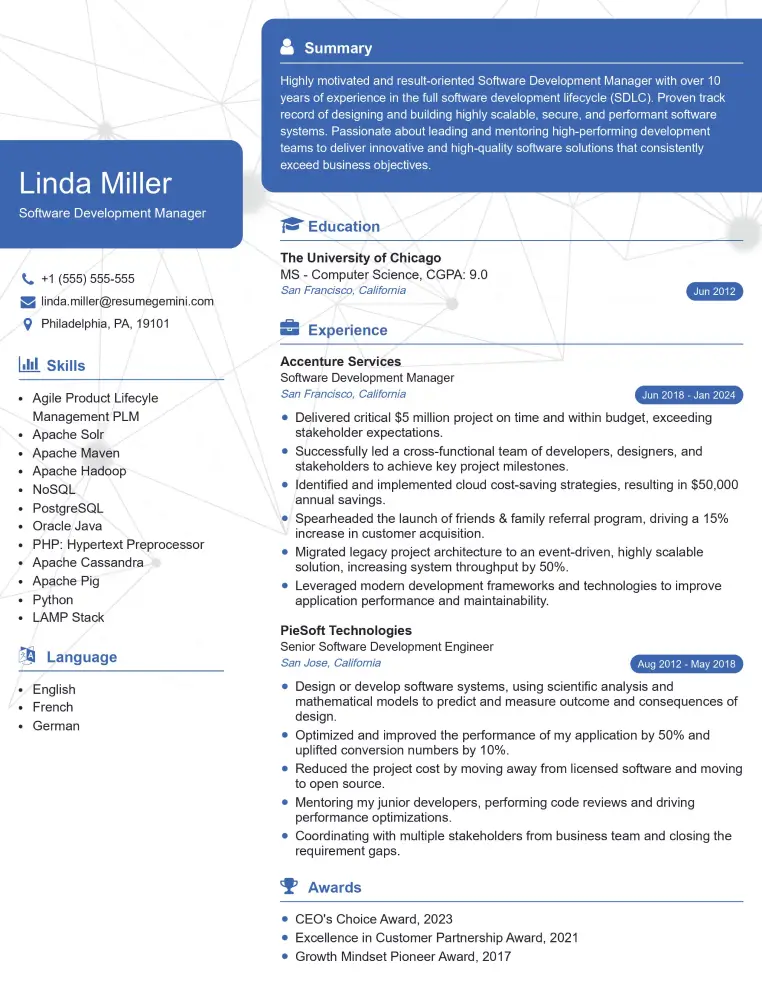
Elevate your job search with our premium resume templates. Here is an amazing resume template that can be used to build a professional and elegant resume. You can build a resume from scratch or revamp your existing resume. Impress hiring managers and secure your next opportunity.
- Top 50 Most Common Interview Questions
- The Psychology of a Great Resume: Hacks to Impress Recruiters
- What Mistakes to Avoid When Writing a Resume: A Comprehensive Guide
- Elevate Your Career with Expert Resume Building: Introducing ResumeGemini
- Crafting Your First Impression: How To Make Free Resume Online For Freshers