





If you’re looking to land your dream job in 2026, it’s time to supercharge your resume. With the job market becoming increasingly competitive, it’s crucial to stand out and make a lasting impression from the get-go. Here are four foolproof resume hacks that will elevate your job application and put you on the fast track to interview domination:
Craft a Killer Headline: Hook the Hiring Manager in 6 Seconds or Less
Your resume headline is the first thing a hiring manager will see, so make sure it packs a punch. In just 6 seconds, you need to capture their attention and make them want to learn more. Here are some tips for creating a killer headline:
- Use strong, action-oriented verbs. For example, instead of “Experienced Software Engineer,” try “Results-Driven Software Architect.”
- Quantify your accomplishments. Use specific numbers to showcase your impact, such as “Increased website traffic by 25%.”
- Keep it concise. Your headline should be no more than 10-15 words, so every word counts.
Master Resume Storytelling: Showcase Your Impact with Engaging Narratives
Don’t just list your skills and experiences on your resume; tell a compelling story that demonstrates your value to potential employers. Use vivid language and specific examples to bring your accomplishments to life.
- Start with a strong hook. Grab the reader’s attention with a captivating anecdote or compelling statistic.
- Use the STAR method. For each accomplishment, describe the Situation, Task, Action, and Result.
- Quantify your results whenever possible. Use specific numbers to showcase the impact of your work.
Leverage Social Proof: Include Testimonials and Endorsements to Build Credibility
Nothing lends credibility to your resume more than positive feedback from your peers, colleagues, or clients. Consider including testimonials or endorsements from individuals who can attest to your skills, work ethic, and character.
- Get testimonials from people who know your work well. Your boss, co-workers, or clients are ideal candidates.
- Use quotes that are specific and relevant to the job you’re applying for.
- Keep testimonials concise and to the point. A few well-written sentences are all you need.
Personalize Your Resume: Tailor It Specifically to Each Job Application
One of the biggest mistakes job seekers make is sending the same generic resume to every job they apply for. Take the time to personalize your resume for each position you’re interested in. This shows the hiring manager that you’re genuinely interested in the job and that you’ve taken the time to learn about their company and culture.
- Highlight skills and experiences relevant to the job description.
- Use keywords from the job posting in your resume.
- Tailor your resume to the company’s culture and values.
Remember, your resume is not just a list of your skills and experiences; it’s a marketing document that should sell your value to potential employers. By implementing these four resume hacks, you can create a resume that will stand out from the competition and land you more interviews in 2026.
For additional resume-writing guidance and resources, head over to ResumeGemini, where you’ll find everything you need to craft the perfect resume.
Career Expert Tips:
- Select the ideal resume template to showcase your professional experience effectively.
- Master the art of resume writing to highlight your unique qualifications and achievements.
- Checkout the resume writing tips for guidance and best practices.
- Make your 2025 brighter with a new job. Build a powerful resume with ResumeGemini and save big, enjoy exclusive discounts on premium templates.
Frequently Asked Questions (FAQs)
What are the most common resume mistakes that can hurt my chances of getting an interview?
Several common resume mistakes can significantly reduce your chances of securing an interview. Some of the most frequent errors include:
- Typos and grammatical errors: Proofread your resume meticulously to eliminate any grammatical errors, spelling mistakes, or formatting inconsistencies. Employers often discard resumes that contain these errors, assuming they reflect carelessness or poor attention to detail.
- Lack of tailoring: Tailor your resume specifically to each job you apply for, highlighting the skills and experiences most relevant to the position. A generic resume that fails to demonstrate your match for the specific role will likely be overlooked.
- Excessive length: Keep your resume concise and to the point, typically around one page for entry-level positions and two pages for more experienced professionals. A lengthy resume can overwhelm recruiters and make it challenging to identify your key qualifications quickly.
- Lack of keywords: Incorporate industry-specific keywords throughout your resume to align with the job description and make it more visible to applicant tracking systems (ATS) used by many employers to screen resumes.
- Unprofessional design: Use a clean and professional resume template that presents your information clearly and effectively. Avoid using distracting colors, fonts, or graphics that may detract from the content.
How can I make my resume more visually appealing?
To enhance the visual appeal of your resume, consider the following strategies:
- Choose a modern template: Select a resume template that aligns with current design trends and industry best practices. Look for templates that offer a clean, well-organized layout.
- Use clear headings and subheadings: Structure your resume using clear headings and subheadings to guide the reader through your experience and qualifications.
- Incorporate white space: Use white space effectively to create a visually appealing and easy-to-read resume. Avoid overcrowding your resume with excessive text or graphics.
- Highlight important information: Use bold or italicized text to draw attention to key skills, accomplishments, or awards. Consider using bullet points to present information in a concise and organized manner.
- Add a touch of color: Incorporate a touch of color to enhance the visual appeal of your resume, but use it sparingly and professionally. Avoid bright or distracting colors that may overwhelm the content.
Should I use a professional resume writer?
The decision of whether or not to use a professional resume writer depends on several factors, including your budget, time constraints, and resume writing skills. Here are some considerations:
- Cost: Professional resume writers typically charge a fee for their services, which can vary depending on the level of experience and the scope of work.
- Time constraints: If you are pressed for time, a professional resume writer can quickly create a high-quality resume that showcases your skills and experience effectively.
- Resume writing skills: If you lack confidence in your resume writing abilities, a professional can help you craft a resume that meets industry standards and highlights your strengths.
- Industry expertise: Professional resume writers often have industry-specific knowledge, enabling them to tailor your resume to the specific requirements of your target industry.
What are the best ways to prepare for a job interview?
To prepare effectively for a job interview, consider the following strategies:
- Research the company and position: Gather information about the company’s culture, values, and the specific role you are applying for. This knowledge will help you tailor your answers and demonstrate your enthusiasm for the opportunity.
- Practice common interview questions: Prepare for common interview questions by anticipating potential inquiries and rehearsing your responses. Practice answering questions about your skills, experience, and career goals.
- Prepare questions to ask the interviewer: Asking thoughtful questions during the interview demonstrates your engagement and interest in the position. Prepare a few questions to ask the interviewer about the company, the role, or the team.
- Dress professionally: Dress appropriately for the interview, considering the company’s culture and the position you are applying for. First impressions matter, so ensure your attire is clean, pressed, and fits well.
- Arrive on time: Plan to arrive at the interview location punctually, demonstrating respect for the interviewer’s time. Punctuality also reflects your professionalism and reliability.
What are the most common interview questions and how can I answer them effectively?
Here are some of the most common interview questions and tips on how to answer them effectively:
| Question | Tips on Answering Effectively |
|---|---|
| Tell me about yourself. | Briefly highlight your most relevant skills, experiences, and career goals. Tailor your answer to the specific role and company you are applying for. |
| Why are you interested in this position? | Explain how your skills and experience align with the job requirements. Mention specific aspects of the role or company that attract you. |
| What are your strengths? | Showcase your most valuable skills and how they have benefited you in previous roles. Provide specific examples to support your claims. |
| What are your weaknesses? | Acknowledge a weakness, but emphasize how you are working to improve it. Highlight a related strength to balance your answer. |
| Why should we hire you? | Summarize your key qualifications and explain why you are the best candidate for the position. Confidently articulate your value proposition. |
How can I follow up after an interview to increase my chances of getting the job?
Following up after an interview is crucial to demonstrate your continued interest and professionalism. Here are some tips for effective follow-ups:
- Send a thank-you note: Within 24 hours of the interview, send a brief thank-you note to the interviewer. Express your appreciation for their time and reiterate your interest in the position.
- Restate your qualifications: In your thank-you note, briefly highlight your key qualifications and how they align with the role. This serves as a reminder of your value proposition.
- Inquire about the next steps: Politely inquire about the next steps in the hiring process and the expected timeline for a decision.
- Follow up professionally: If you have not heard back within the expected timeframe, follow up with the interviewer via email or phone call. Be professional and respectful, avoiding excessive follow-ups.
What should I do if I don’t get the job?
Not getting the job can be disappointing, but it is essential to maintain a positive attitude and learn from the experience. Here are some recommendations:
- Request feedback: If possible, reach out to the interviewer and request feedback on your performance. This can provide valuable insights for improving your interviewing skills.
- Evaluate your resume and cover letter: Review your resume and cover letter to identify areas for improvement. Seek feedback from a career counselor or a trusted mentor.
- Continue networking: Attend industry events and connect with professionals in your field. Networking can lead to new job opportunities and valuable career advice.
- Stay positive and persistent: Rejection is a part of the job search process. Maintain a positive attitude and continue applying for positions that align with your skills and career goals.
Next step:
With ResumeGemini, you can create an interview-winning resume in minutes. Our ATS-friendly templates and expert writing tips
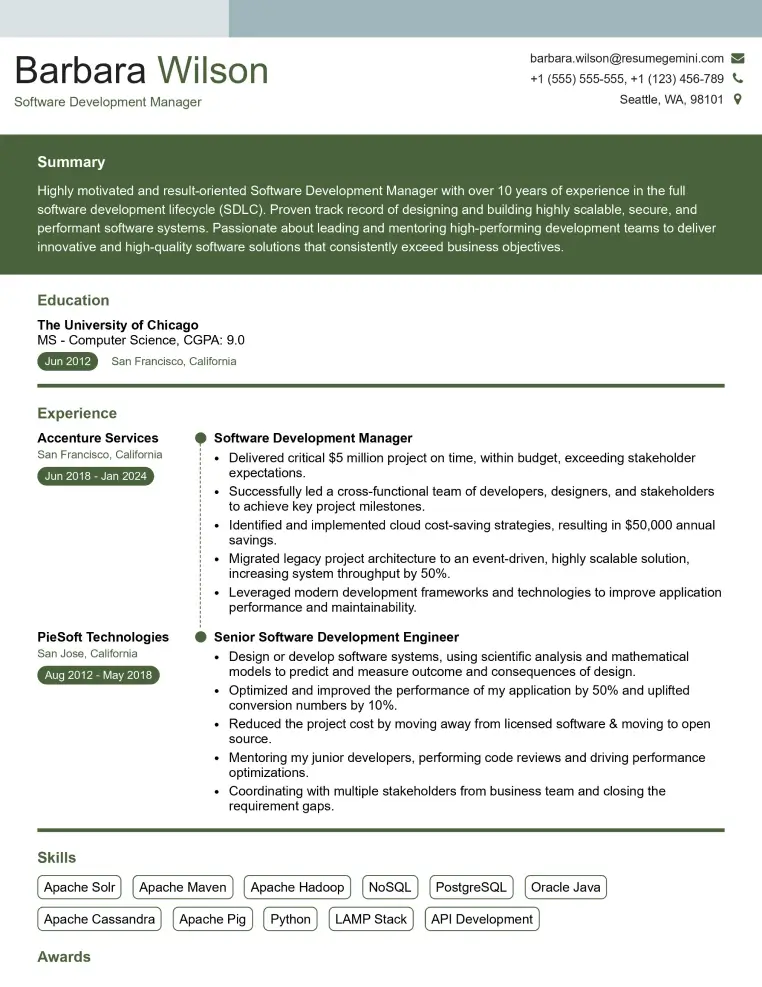
Elevate your job search with our premium resume templates. Here is an amazing resume template that can be used to build a professional and elegant resume. You can build a resume from scratch or revamp your existing resume. Impress hiring managers and secure your next opportunity.
- Top 50 Most Common Interview Questions
- The Psychology of a Great Resume: Hacks to Impress Recruiters
- What Mistakes to Avoid When Writing a Resume: A Comprehensive Guide
- Elevate Your Career with Expert Resume Building: Introducing ResumeGemini
- Crafting Your First Impression: How To Make Free Resume Online For Freshers