





“Your resume is your first impression, so make it a good one.” – Unknown
Introducing our exclusive guide, “Master Your Resume: 6 Insider Secrets from Experts,” where we bring you the most sought-after resume writing tips from industry leaders. From storytelling to ATS optimization, tailoring to proofreading, we’ve got you covered. Get ready to elevate your resume writing skills and land your dream job.
The Art of Storytelling: Crafting a Compelling Narrative
Your resume is not just a list of your skills and experiences; it’s a story about your career journey. The best resumes engage readers by weaving a compelling narrative that showcases your unique value and demonstrates how you can contribute to the organization.
- Start with a strong personal statement: Your personal statement is your chance to make a great first impression and set the tone for your resume. Use this space to highlight your most relevant skills and experiences and explain why you’re the best candidate for the job.
- Quantify your accomplishments: Use numbers and metrics to quantify your accomplishments and demonstrate the impact of your work. For example, instead of simply stating that you “managed a team,” you could say that you “led a team of 10 engineers, resulting in a 20% increase in productivity.”
- Use action verbs: Action verbs are strong, active words that convey action and accomplishment. When describing your experiences, use action verbs to make your resume more dynamic and engaging. For example, instead of saying that you “worked on a project,” you could say that you “developed and implemented a new software solution that increased sales by 15%.”
Quantifying Your Accomplishments: Making Your Impact Measurable
In today’s competitive job market, it’s not enough to simply list your responsibilities on your resume. You need to quantify your accomplishments to stand out from the crowd and demonstrate the value you bring to potential employers.
- Identify your most impressive accomplishments: Take some time to think about your most significant accomplishments and how they have benefited your previous employers. Focus on accomplishments that are relevant to the job you’re applying for.
- Use numbers and metrics to quantify your results: Whenever possible, use numbers and metrics to quantify your accomplishments. This will make your resume more credible and persuasive. For example, instead of saying that you “increased sales,” you could say that you “increased sales by 15%.”
- Highlight your accomplishments in your resume summary: Your resume summary is a great place to highlight your most impressive accomplishments. Use this space to summarize your key skills and experiences and to show potential employers what you’ve achieved in your career.
Optimizing for ATS: Aligning Your Resume with Hiring Systems
An Applicant Tracking System (ATS) is a software program that many companies use to screen resumes. ATSs scan resumes for keywords and other information to determine which candidates are the best fit for the job. To make sure your resume gets noticed by the ATS, you need to optimize it for ATS.
- Use keywords from the job description: When writing your resume, be sure to include keywords from the job description. This will help your resume get noticed by the ATS and increase your chances of getting an interview.
- Format your resume in a standard format: ATSs prefer resumes that are formatted in a standard format, such as Times New Roman or Arial. Avoid using fancy fonts or graphics, as this can make it difficult for the ATS to scan your resume.
- Keep your resume concise: ATSs prefer resumes that are concise and easy to read. Stick to one page, and use clear, concise language. Avoid using jargon or technical terms that the ATS may not understand.
Tailoring Your Resume to Specific Job Roles
When you’re applying for a job, it’s important to tailor your resume to the specific job you’re applying for. This means highlighting your skills and experiences that are most relevant to the job and using the keywords from the job description.
- Research the company and the job: Before you start writing your resume, take some time to research the company and the job you’re applying for. This will help you understand the company’s culture and values, as well as the specific requirements of the job. This information will help you tailor your resume to the specific job role.
- Highlight your relevant skills and experiences: Once you understand the company and the job, you can start highlighting your relevant skills and experiences. Focus on the skills and experiences that are most relevant to the job and use the keywords from the job description.
- Proofread your resume carefully: Once you’ve finished writing your resume, be sure to proofread it carefully for any errors. Check for typos, grammatical errors, and formatting errors.
Leveraging Keywords: The Key to Getting Noticed
Keywords are one of the most important elements of a successful resume. Keywords are the words and phrases that potential employers search for when they’re looking for candidates. By including relevant keywords in your resume, you can increase your chances of getting noticed by potential employers and getting an interview.
- Identify relevant keywords: The first step to leveraging keywords is to identify the relevant keywords for the job you’re applying for. You can find relevant keywords by reading the job description and by researching the company. You can also use online tools to help you identify relevant keywords.
- Include keywords throughout your resume: Once you have identified relevant keywords, you need to include them throughout your resume. You can include keywords in your resume summary, your work experience section, and your skills section. However, it’s important to use keywords naturally and avoid keyword stuffing. For example, instead of saying that you’re “a highly motivated and results-oriented individual,” you could say that you’re “a highly motivated and results-oriented individual with a proven track record of success in sales.”
- Use a variety of keywords: Don’t just use the same keywords over and over again. Use a variety of keywords to make your resume more effective. For example, instead of just using the keyword “sales,” you could also use the keywords “business development,” “marketing,” and “customer relationship management.”
Proofreading Perfection: Ensuring Your Resume is Error-Free
After you’ve finished writing your resume, it’s important to proofread it carefully for any errors. Typos, grammatical errors, and formatting errors can make your resume look unprofessional and decrease your chances of getting an interview.
- Proofread your resume multiple times: Once you’ve finished writing your resume, proofread it multiple times to catch any errors. Read your resume aloud to help you catch any errors that you may have missed when reading it silently.
- Use a grammar checker: A grammar checker can help you catch any grammatical errors in your resume. There are many free and paid grammar checkers available online.
- Have someone else proofread your resume: Ask a friend, family member, or colleague to proofread your resume. They may be able to catch any errors that you missed.
Career Expert Tips:
- Select the ideal resume template to showcase your professional experience effectively.
- Master the art of resume writing to highlight your unique qualifications and achievements.
- Checkout the resume writing tips for guidance and best practices.
- Make your 2025 brighter with a new job. Build a powerful resume with ResumeGemini and save big, enjoy exclusive discounts on premium templates.
Frequently Asked Questions (FAQ’s)
What are the most common mistakes job seekers make when writing their resumes?
Mistake 1: Overusing buzzwords and clichés. This makes your resume sound generic and can turn off recruiters.
Mistake 2: Including irrelevant information. Your resume should be concise and focused on highlighting your skills and experience that are relevant to the job you’re applying for.
Mistake 3: Not tailoring your resume to each job description. Take the time to customize your resume for each job you apply for, highlighting the skills and experience that are most relevant to the position.
Mistake 4: Making it too long. A resume should be no longer than one page, so make sure to edit it carefully and only include the most essential information.
Mistake 5: Not proofreading carefully. Make sure to proofread your resume carefully before submitting it, as even small errors can make a negative impression on recruiters.
How can I effectively showcase my skills and experience without sounding boastful?
Tip 1: Use action verbs to describe your accomplishments. This will make your resume sound more dynamic and engaging.
Tip 2: Quantify your accomplishments whenever possible. This will help recruiters to see the impact of your work.
Tip 3: Use specific examples to illustrate your skills and experience. This will make your resume more memorable and easier for recruiters to understand.
Tip 4: Get feedback from others. Ask a friend, family member, or career counselor to review your resume and provide feedback. This can help you to identify areas where you can improve.
Tip 5: Keep it concise. Your resume should be no longer than one page, so make sure to edit it carefully and only include the most essential information.
What is the best way to format my resume for maximum impact?
Tip 1: Use a professional font. Arial, Calibri, and Times New Roman are all good choices.
Tip 2: Use a consistent font size and style throughout your resume. This will make it easier for recruiters to read and understand.
Tip 3: Use bullet points to list your skills and experience. This will make your resume more visually appealing and easier to read.
Tip 4: Use white space to break up your resume. This will make it more inviting to read and easier to skim.
Tip 5: Save your resume as a PDF. This will ensure that it looks the same on all devices.
How do I tailor my resume to different job descriptions?
Step 1: Read the job description carefully. This will help you to identify the skills and experience that are most important to the employer.
Step 2: Highlight the skills and experience that are most relevant to the job description. Use keywords from the job description in your resume.
Step 3: Customize your resume for each job you apply for. This will show the employer that you are genuinely interested in the position and that you have taken the time to learn about the company.
What are some creative ways to stand out from other candidates?
Tip 1: Use a portfolio to showcase your work. This is a great way to show potential employers your skills and experience.
Tip 2: Create a personal website. This is a great way to brand yourself and make it easy for potential employers to learn more about you.
Tip 3: Get involved in professional organizations. This is a great way to network with potential employers and learn about job opportunities.
Tip 4: Volunteer your time. This is a great way to give back to your community and show potential employers that you are a team player.
Tip 5: Be yourself. Don’t try to be someone you’re not. Potential employers will be able to tell if you’re being genuine.
How can I improve my chances of getting my resume noticed by recruiters?
Tip 1: Use keywords in your resume. This will help recruiters to find your resume when they are searching for candidates.
Tip 2: Use a professional resume template. This will make your resume look more polished and professional.
Tip 3: Proofread your resume carefully. Even small errors can make a negative impression on recruiters.
Tip 4: Get feedback from others. Ask a friend, family member, or career counselor to review your resume and provide feedback.
Tip 5: Use a resume builder tool. This can help you to create a resume that is both visually appealing and ATS-friendly.
Next Step:
If you’re ready to take your resume to the next level, try ResumeGemini. With our premium templates, expert tips, and ATS-friendly design, you can create a resume that stands out from the crowd.
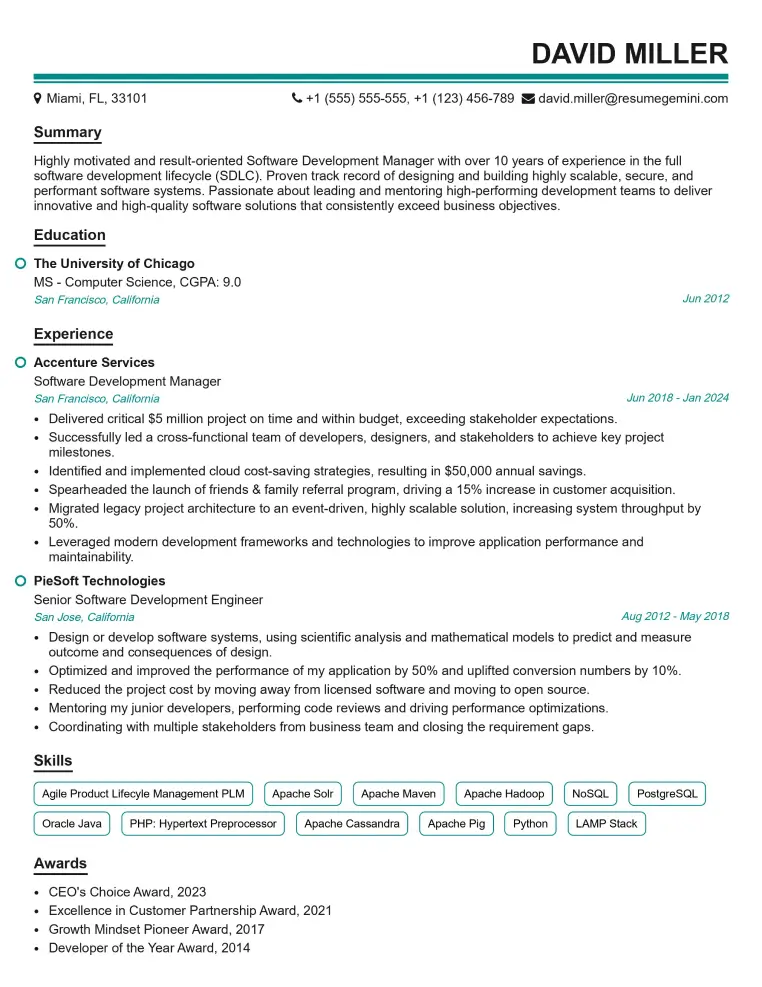
Elevate your job search with our premium resume templates. Here is an amazing resume template that can be used to build a professional and elegant resume. You can build a resume from scratch or revamp your existing resume. Impress hiring managers and secure your next opportunity.
- Top 50 Most Common Interview Questions
- The Psychology of a Great Resume: Hacks to Impress Recruiters
- What Mistakes to Avoid When Writing a Resume: A Comprehensive Guide
- Elevate Your Career with Expert Resume Building: Introducing ResumeGemini
- Crafting Your First Impression: How To Make Free Resume Online For Freshers