





In the ever-evolving landscape of the job market, career switches are becoming increasingly common. Whether it’s to pursue a passion, seek new challenges, or adapt to industry shifts, making a successful transition requires a well-crafted resume that effectively articulates your skills and relevance to your desired field. In this comprehensive guide, we’ll navigate the complexities of revamping your resume for a career switch in 2026, ensuring a seamless transition into your next professional chapter.
Identifying Your Transferable Skills: The Key to a Seamless Career Shift
A fundamental step in preparing for a career switch is identifying your transferable skills—those abilities and experiences that are applicable across different industries and job roles. To do this, take inventory of your:
- Hard skills: Technical or specialized abilities, such as software proficiency, data analysis, or project management.
- Soft skills: Interpersonal and behavioral qualities, such as communication, teamwork, and problem-solving.
- Knowledge and experience: Industry-specific knowledge, project experience, and any relevant certifications or training.
Once you have a clear understanding of your transferable skills, you can effectively highlight them on your resume to demonstrate your relevance to your new career path.
Creating a Targeted Resume that Highlights Your Relevance
When crafting your resume for a career switch, it’s crucial to adopt a targeted approach. Tailor your resume to each specific job application, highlighting the skills and experiences that are most relevant to the target role. This involves:
- Customizing your resume objective: Clearly state your career switch goals and how your skills align with the requirements of the position.
- Emphasizing relevant experience: Prioritize your work history and projects that demonstrate your transferable skills and experience.
- Quantifying your accomplishments: Use numbers and data to quantify your results and demonstrate the impact of your contributions.
- Including industry-specific keywords: Research the job descriptions and industry terminology to incorporate relevant keywords throughout your resume.
By tailoring your resume to each target role, you increase its effectiveness in passing applicant tracking systems (ATS) and capturing the attention of potential employers.
Crafting a Compelling Narrative that Connects Your Past to Your Future
Your resume should not merely list your skills and experiences; it should tell a compelling narrative that connects your past professional endeavors to your future career aspirations. This involves:
Creating a cohesive story
Your resume should present a clear and cohesive narrative that highlights the progression of your skills and experiences and how they relate to your career transition goals.
Showcasing your motivation
Share your motivations for pursuing a career switch and explain how your past experiences and future aspirations align. This will add depth to your resume and demonstrate your commitment to the new field.
Using transitional language
Use transitional language and keywords to connect different sections of your resume and guide the reader through your career story. For example, use phrases like “Leveraging my experience in…” or “Seeking to apply my skills in…”
By crafting a compelling narrative, you can engage potential employers and make a strong case for your suitability for the desired career switch.
Tailoring Your Resume to Different Industries and Job Roles
The job market encompasses a diverse range of industries and job roles, each with its unique requirements and expectations. To maximize your chances of success, tailor your resume to align with the specific industry and job role you are targeting. This involves:
- Researching industry trends: Study industry publications, attend webinars, and connect with professionals in your desired field to gain insights into the latest trends and hiring practices.
- Customizing your skills section: Highlight the skills and experiences that are most relevant to the target industry and job role. Consider including industry-specific certifications or training.
- Using industry-specific language: Familiarize yourself with the industry’s terminology and use it throughout your resume to demonstrate your knowledge and understanding.
- Seeking industry-specific feedback: Reach out to professionals in your desired field and ask for their feedback on your resume. This can help you refine your resume and align it with industry expectations.
By tailoring your resume to different industries and job roles, you demonstrate your adaptability and commitment to making a successful career transition.
Overcoming Common Obstacles in the Career Switching Journey
The path to a successful career switch is not without its obstacles. Here are some common challenges and strategies for overcoming them:
Lack of industry experience
Emphasize your transferable skills and demonstrate your ability to learn quickly. Highlight any projects, coursework, or volunteer experiences that are relevant to your new career path.
Age or career gap
Focus on your skills and accomplishments, rather than your age or career gap. Use keywords and phrases that emphasize your value and experience.
Limited network in the new industry
Attend industry events, join professional organizations, and connect with professionals on LinkedIn to expand your network and gain insights into your desired field.
Rejection and discouragement
Stay positive and persistent. Don’t let rejections discourage you. Use feedback to improve your resume and continue networking and applying for jobs.
Overcoming these obstacles requires resilience, adaptability, and a proactive approach to your career transition.
Leveraging Networking and Mentorship to Accelerate Your Transition
Networking and mentorship play a crucial role in facilitating a successful career switch. Here’s how to leverage these resources:
- Attend industry events: Conferences, meetups, and seminars provide opportunities to connect with professionals in your desired field and learn about industry trends.
- Join professional organizations: Professional organizations offer networking opportunities, access to industry resources, and professional development programs.
- Connect with professionals on LinkedIn: LinkedIn is a powerful platform for building connections, sharing insights, and accessing industry news.
- Seek mentorship: Identify professionals in your desired field who can provide guidance, support, and industry insights. Mentors can help you navigate the transition, develop your skills, and connect with potential employers.
By leveraging networking and mentorship, you can gain valuable insights, expand your professional network, and accelerate your career transition journey.
Career Expert Tips:
- Select the ideal resume template to showcase your professional experience effectively.
- Master the art of resume writing to highlight your unique qualifications and achievements.
- Checkout the resume writing tips for guidance and best practices.
- Make your 2025 brighter with a new job. Build a powerful resume with ResumeGemini and save big, enjoy exclusive discounts on premium templates.
Frequently Asked Questions (FAQs)
How do I identify the transferable skills that make me a valuable candidate?
Identifying transferable skills involves recognizing abilities and knowledge gained in previous roles that are relevant to your target industry or job function. Consider the following steps:
- Introspect on your past experiences: Analyze your previous job descriptions, responsibilities, and accomplishments to identify the skills you utilized. Focus on both hard skills (technical abilities) and soft skills (interpersonal and problem-solving abilities).
- Research industry-specific skills: Explore job descriptions and industry publications related to your target field to understand the skills and qualifications employers seek. Compare them to your own skillset to identify transferable skills.
- Seek feedback from professionals: Connect with individuals in your target industry through networking events or online platforms like LinkedIn. Ask for their insights on the skills and experience that are most valued in their field.
What strategies can I use to create a targeted resume that showcases my relevance?
Tailoring your resume to specific job applications is crucial. Here are some strategies to achieve this:
- Use industry-specific keywords: Incorporate relevant keywords from the job description into your resume to demonstrate familiarity with the industry and its terminology.
- Highlight transferable skills: Emphasize the transferable skills you possess that are directly applicable to the target role. Provide specific examples to illustrate how you have successfully utilized these skills.
- Quantify your accomplishments: Use numbers and metrics to quantify your achievements in previous roles. This demonstrates the impact of your work and adds credibility to your resume.
- Customize your resume for each application: Avoid using a generic resume for all job applications. Tailor your resume to each specific job by highlighting the skills and experience that are most relevant to the role.
How can I craft a compelling narrative that connects my past experiences to my career aspirations?
Your resume should tell a cohesive story that connects your past experiences to your career aspirations. Here’s how to achieve this:
- Identify your career goals: Clearly define your career objectives and aspirations. This will serve as a guide for crafting your resume narrative.
- Use a reverse-chronological format: Begin your resume with your most recent work experience and work backward. This allows employers to quickly see your career progression and identify your most relevant skills.
- Emphasize transferable skills: Highlight the transferable skills you have gained in previous roles that are applicable to your career goals. Explain how these skills have contributed to your professional growth and prepared you for your desired career path.
- Use strong action verbs: Begin your bullet points with strong action verbs that convey your accomplishments and responsibilities. This adds impact to your resume and makes it stand out.
What are the key steps involved in tailoring my resume to different industries and job roles?
Tailoring your resume to different industries and job roles is necessary to demonstrate your relevance to each specific opportunity. Here are the key steps to follow:
- Research the industry and job role: Learn about the industry’s specific terminology, trends, and career paths. Identify the skills and qualifications that are highly valued in the target role.
- Highlight relevant skills and experience: Emphasize the skills and experience from your previous roles that are directly applicable to the target industry and job function. Provide specific examples to showcase your proficiency.
- Use industry-specific keywords: Incorporate industry-specific keywords into your resume to demonstrate your familiarity with the field and its terminology. This will help your resume get noticed by applicant tracking systems (ATS).
- Quantify your accomplishments: Use numbers and metrics to quantify your achievements in previous roles. This adds credibility to your resume and demonstrates the impact of your work in a quantifiable manner.
How can I overcome the common obstacles that arise during a career switch?
Career transitions can come with their fair share of obstacles. Here’s how to navigate them:
- Lack of industry experience: If you’re transitioning to a new industry, highlight transferable skills and relevant experience from your previous roles. Emphasize your adaptability, eagerness to learn, and interest in the new field.
- Gaps in employment: Address any gaps in employment on your resume, explaining how you used this time to enhance your skills, gain new certifications, or engage in volunteer work related to your target industry.
- Ageism: If you’re facing age-related biases, focus on your skills, experience, and adaptability. Highlight your enthusiasm for learning new technologies and your commitment to continuous professional development.
- Competition from younger candidates: Emphasize your experience, maturity, and the unique perspectives you bring to the table based on your diverse work history. Showcase your adaptability, willingness to learn, and enthusiasm for innovation.
What role do networking and mentorship play in accelerating my career transition?
Networking and mentorship are invaluable tools for career switchers. Here’s how to leverage them:
- Attend industry events: Participate in industry conferences, meetups, and workshops to connect with professionals in your target field. Engage in meaningful conversations and exchange ideas to build relationships.
- Join professional organizations: Become a member of professional organizations related to your target industry. This provides access to networking opportunities, industry insights, and potential mentors.
- Seek mentors: Identify individuals in your target field who can provide guidance, support, and insights. Seek mentors who have successfully navigated similar career transitions and can offer valuable advice.
- Utilize social media: Use platforms like LinkedIn to connect with professionals in your target industry. Engage in discussions, share relevant articles, and reach out to individuals who can provide insights or potential job leads.
How can I build a strong online presence to support my career switch efforts?
A strong online presence can enhance your visibility and credibility during a career switch. Here’s how to build one:
- Create a professional website or online portfolio: Showcase your skills, experience, and accomplishments through a personal website or online portfolio. This allows potential employers to learn more about you and your work.
- Optimize your LinkedIn profile: Enhance your LinkedIn profile by including a professional headshot, a compelling summary, and relevant experience and skills. Join groups related to your target industry and engage in discussions to build your network.
- Share industry-related content: Regularly share articles, blog posts, and updates related to your target industry on LinkedIn and other social media platforms. This demonstrates your knowledge and interest in the field.
- Engage with industry thought leaders: Follow and interact with industry thought leaders and influencers on social media. Share their insights, comment on their posts, and engage in discussions to build a presence in the online community.
What resources are available to help me successfully navigate a career change?
There are numerous resources available to support individuals navigating career changes. Here are a few:
- Career counseling services: Seek guidance from career counselors who can provide personalized advice, assess your skills and interests, and help you develop a career plan.
- Online courses and workshops: Enroll in online courses or workshops designed for career switchers. These programs offer structured learning, networking opportunities, and mentorship support.
- Industry-specific resources: Explore resources provided by industry associations, professional organizations, and online platforms. These resources can provide insights, networking opportunities, and job leads within your target field.
- Government programs: Investigate government-funded programs that offer training, job placement assistance, and other support services for individuals seeking career transitions.
Next Step:
Navigating a career switch requires careful planning, effective resume writing, and a proactive approach. By leveraging the strategies and resources discussed in this guide,
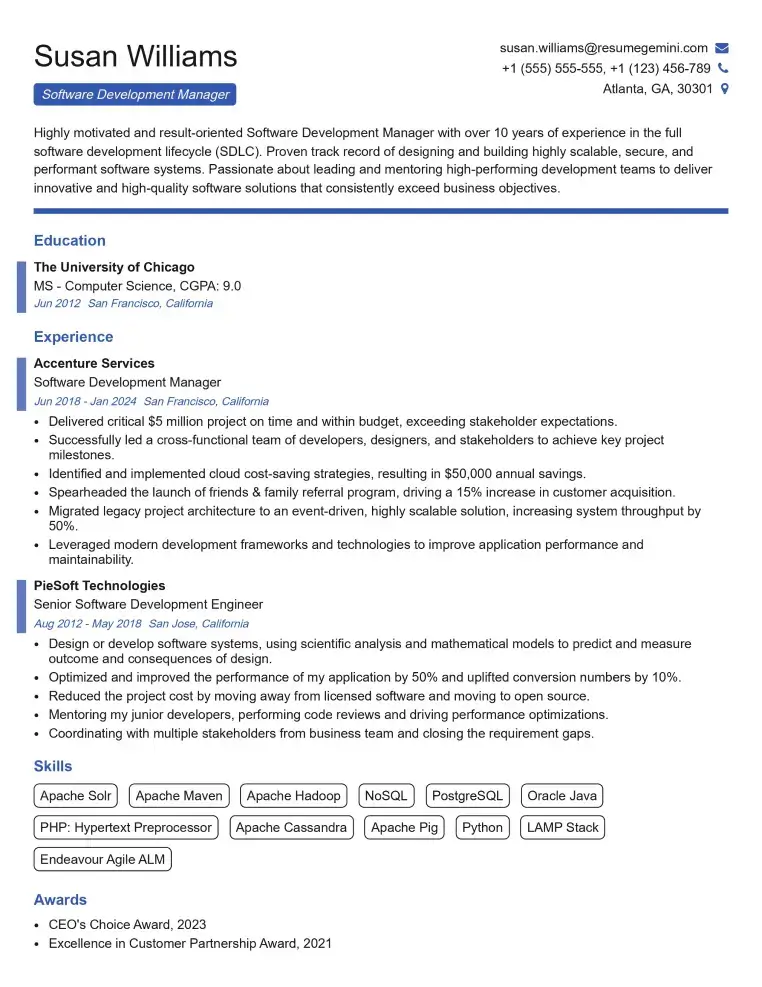
Elevate your job search with our premium resume templates. Here is an amazing resume template that can be used to build a professional and elegant resume. You can build a resume from scratch or revamp your existing resume. Impress hiring managers and secure your next opportunity.
- Top 50 Most Common Interview Questions
- The Psychology of a Great Resume: Hacks to Impress Recruiters
- What Mistakes to Avoid When Writing a Resume: A Comprehensive Guide
- Elevate Your Career with Expert Resume Building: Introducing ResumeGemini
- Crafting Your First Impression: How To Make Free Resume Online For Freshers