





Embark on a transformative career journey with our ultimate resume guide, tailor-made to empower you in your pursuit of career switching success. Let’s navigate the complexities of transitioning into your dream role, armed with a resume that showcases your transferable skills and captivates potential employers.
Identifying and Highlighting Transferable Skills
Uncover the hidden gems in your professional arsenal – your transferable skills. These adaptable abilities transcend industry boundaries, making you a valuable asset in diverse roles. From communication and problem-solving to teamwork and leadership, identify and emphasize skills that are universally sought after.
- Introspection: Take stock of your current and past experiences, pinpointing transferable skills you’ve honed.
- Research: Explore job descriptions in your target industry, identifying the skills most in demand.
- Quantify your skills: Use specific examples and metrics to demonstrate the impact of your transferable skills in previous roles.
Crafting a Compelling Career Summary
Your career summary is the gateway to capturing the recruiter’s attention – make it count! In a few concise sentences, articulate your career aspirations, highlight your key skills, and demonstrate the value you bring to the table. Use strong action verbs, quantify your accomplishments, and tailor your summary to each job application.
- Start with a bang: Begin with a captivating statement that grabs the reader’s attention.
- Showcase your expertise: Highlight your core competencies and transferable skills.
- Quantify your impact: Use numbers and metrics to demonstrate the value you’ve delivered.
Showcase Relevant Experience, Even if Unrelated
Don’t let unrelated work experience hold you back – it’s a treasure trove of transferable skills! Focus on highlighting experiences that demonstrate your adaptability, problem-solving abilities, and commitment to excellence. Use specific examples and quantifiable results to illustrate how your skills translate to the role you’re seeking.
- Identify relevant skills: Pinpoint skills you’ve gained in unrelated roles that are applicable to your target industry.
- Use the STAR method: Structure your examples using the STAR method (Situation, Task, Action, Result).
- Quantify your accomplishments: Use numbers and metrics to demonstrate the impact of your actions.
Quantifying Accomplishments to Demonstrate Value
Numbers talk – use them to amplify your accomplishments and showcase your value to potential employers. Quantify your achievements using specific metrics and percentages. This tangible evidence provides a clear understanding of your contributions and the impact you’ve made in previous roles.
- Set quantifiable goals: Define specific, measurable, achievable, relevant, and time-bound (SMART) goals.
- Track your progress: Monitor your accomplishments and gather data to support your claims.
- Use compelling language: Present your quantified accomplishments using strong action verbs and impactful language.
Customizing Your Resume for Target Industries and Roles
Tailor your resume to each job application – it’s not a one-size-fits-all approach! Research the specific industry and role you’re applying for, and customize your resume to highlight the skills and experience most relevant to the position. Use keywords from the job description to optimize your resume for Applicant Tracking Systems (ATS).
- Research the industry: Immerse yourself in industry-specific publications, company websites, and LinkedIn groups.
- Analyze job descriptions: Scrutinize the job description for keywords and essential qualifications.
- Use industry jargon: Familiarize yourself with the industry’s terminology and incorporate relevant jargon into your resume.
Embracing Industry-Specific Keywords
Speak the language of your target industry – incorporate industry-specific keywords throughout your resume. Research relevant keywords by exploring job descriptions, industry publications, and professional networking platforms. By aligning your resume with industry lingo, you’ll enhance its visibility and relevance to potential employers.
- Identify industry keywords: Use online tools, such as Google Trends and AnswerThePublic, to uncover industry-specific keywords.
- Use keywords naturally: Integrate keywords seamlessly into your resume, avoiding keyword stuffing.
- Proofread carefully: Ensure that your resume is free of errors and that keywords are used accurately.
Networking and Seeking Referrals to Accelerate Your Job Search
Don’t overlook the power of networking! Attend industry events, connect with professionals on LinkedIn, and reach out to your personal network. Building relationships and seeking referrals can significantly increase your chances of landing your dream job. Referrals carry weight and convey a level of credibility that can set you apart from other candidates.
- Attend industry events: Engage with professionals, exchange insights, and expand your network.
- Utilize social media: Leverage platforms like LinkedIn to connect with industry leaders and recruiters.
- Ask for referrals: Don’t hesitate to ask trusted colleagues, mentors, or friends for referrals to potential employers.
- Offer value: Be generous with your time and knowledge, providing assistance to others within your professional circle.
As you embark on your career switching journey, remember that success lies in your hands. With careful planning, a compelling resume, and unwavering determination, you can navigate the challenges and achieve your professional aspirations. ResumeGemini is here to support you every step of the way, providing the tools and guidance you need to craft a standout resume that opens doors to new possibilities.
Career Expert Tips:
- Select the ideal resume template to showcase your professional experience effectively.
- Master the art of resume writing to highlight your unique qualifications and achievements.
- Checkout the resume writing tips for guidance and best practices.
- Make your 2025 brighter with a new job. Build a powerful resume with ResumeGemini and save big, enjoy exclusive discounts on premium templates.
Frequently Asked Questions (FAQ’s)
What are the biggest challenges people face when switching careers?
Embarking on a career switch is a significant endeavor, and it’s natural to encounter challenges along the way. Some of the most common obstacles include:
- Lack of industry experience or direct job qualifications.
- Perception of being overqualified or underqualified for certain roles.
- Difficulty in identifying transferable skills and articulating their relevance to new industries.
- Competition from candidates with traditional backgrounds in the target field.
- Lack of connections or limited networking opportunities.
- Ageism or bias based on career history or personal characteristics.
How can I identify and highlight my transferable skills?
Transferable skills are those that are applicable across various industries and roles. To identify and showcase these skills, consider the following strategies:
- Reflect on your previous experiences, including jobs, volunteer work, and personal projects. Identify the skills you utilized and the positive outcomes you achieved.
- Conduct research on the target industry and specific roles to understand the skills and qualifications required. Map your transferable skills to these requirements.
- Quantify your accomplishments using specific metrics and data to demonstrate the impact of your skills.
- Seek feedback from former colleagues, supervisors, or mentors to validate and refine your list of transferable skills.
What is the best way to quantify my accomplishments on a resume?
Quantifying accomplishments adds credibility and objectivity to your resume. To do this effectively:
- Use specific numbers, percentages, and quantifiable metrics to describe your achievements.
- State the problem you addressed, the actions you took, and the positive results you produced.
- Highlight the impact of your accomplishments on the organization or team, such as increased revenue, reduced costs, or improved efficiency.
- Consider using visuals like charts or graphs to present your data more impactfully.
How do I customize my resume for different industries and roles?
Tailoring your resume to each specific industry and role is crucial. Here’s how:
- Research the target industry and company to understand their culture, values, and specific requirements.
- Use keywords from the job description in your resume to demonstrate alignment with the position.
- Highlight the skills and experiences most relevant to the target role, even if they are not directly related to your previous career.
- Consider creating multiple versions of your resume, each customized to a particular industry or job title.
What are some tips for networking and seeking referrals?
Networking is essential for career switching. Here are some tips:
- Attend industry events, conferences, and meetups.
- Join professional organizations and online groups related to your target field.
- Leverage LinkedIn to connect with professionals in your desired industry and reach out for informational interviews.
- Ask your friends, family, and former colleagues for referrals.
- Follow up with contacts promptly to demonstrate your interest and professionalism.
How do I overcome the lack of direct experience in my desired field?
Demonstrating your ability to perform in the target field is crucial even if you lack direct experience. To do this:
- Highlight transferable skills and experiences that are relevant to the desired role.
- Consider internships, volunteer work, or freelance projects to gain some practical experience.
- Seek out mentors or advisors who can provide guidance and support.
- Emphasize your willingness to learn and adapt to the new industry and role.
Is it possible to switch careers without a degree?
While a degree is often desirable, it’s not always a requirement for career switching. Here are some strategies:
- Focus on developing practical skills and gaining experience through hands-on projects, certifications, and online courses.
- Network extensively and leverage your connections to find opportunities.
- Seek out entry-level positions or roles where your transferable skills and experience are valued.
- Consider starting your own business or freelancing to build your experience and credibility.
Next Step:
If you’re ready to make your career switch a reality, consider using ResumeGemini. Our platform provides a comprehensive suite of tools to help you create a standout resume that highlights your transferable skills and lands you the job you desire. With ResumeGemini, you can:
- Choose from a range of professional resume templates designed to showcase your skills and experience.
- Use our resume builder to easily customize your resume with your own content and style.
- Access a vast library of resume examples for different job titles and industries.
- Get your resume reviewed by a professional resume writer for personalized feedback and improvement suggestions.
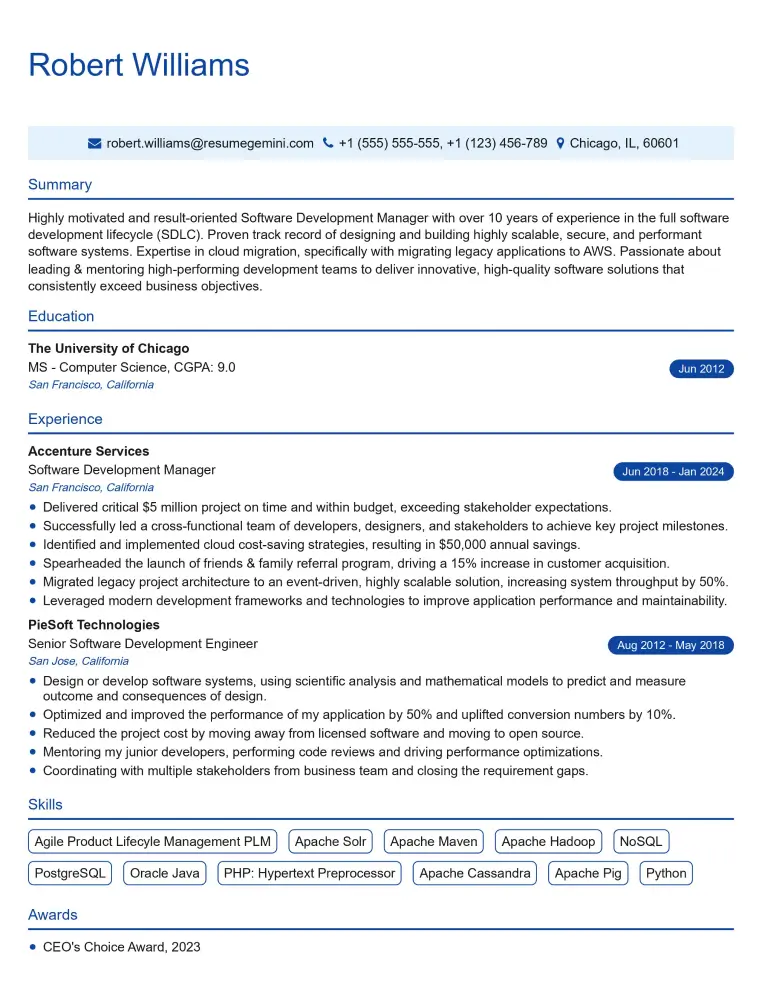
Elevate your job search with our premium resume templates. Here is an amazing resume template that can be used to build a professional and elegant resume. You can build a resume from scratch or revamp your existing resume. Impress hiring managers and secure your next opportunity.
- Top 50 Most Common Interview Questions
- The Psychology of a Great Resume: Hacks to Impress Recruiters
- What Mistakes to Avoid When Writing a Resume: A Comprehensive Guide
- Elevate Your Career with Expert Resume Building: Introducing ResumeGemini
- Crafting Your First Impression: How To Make Free Resume Online For Freshers