





In today’s data-driven world, Data Analysts are in high demand. They play a crucial role in extracting meaningful insights from raw data to drive strategic decision-making and business success. If you’re aiming to excel as a Data Analyst, crafting a standout resume profile is essential. Here are 10 essentials to help you create a powerful resume that will make you irresistible to potential employers:
1. Demonstrate Your Analytical Skills and Data Modeling Experience
As a Data Analyst, your ability to analyze data and develop data-driven solutions is paramount. Showcase your expertise in statistical analysis, data mining, and machine learning techniques. Highlight your experience in building and interpreting data models, as well as your proficiency in using statistical software such as SAS, SPSS, or R.
2. Showcase Your Proficiency in Data Visualization and Storytelling
Data Analysis is not just about crunching numbers; it’s also about effectively communicating insights to stakeholders. Demonstrate your ability to transform complex data into visually appealing and easy-to-understand formats. Highlight your expertise in using data visualization tools like Tableau, Power BI, or Google Data Studio to create compelling dashboards, charts, and infographics that drive decision-making.
3. Highlight Your Understanding of Data Mining and Machine Learning Techniques
Data mining and machine learning are essential skills for Data Analysts in today’s AI-driven world. Emphasize your proficiency in using these techniques to uncover hidden patterns, predict trends, and make data-driven recommendations. Showcase your experience in developing and implementing machine learning algorithms, as well as your understanding of supervised and unsupervised learning methods.
4. Quantify Your Accomplishments with Specific Examples and Metrics
Numbers speak louder than words. Instead of merely stating your responsibilities, provide concrete examples of your accomplishments and quantify them with specific metrics. For instance, highlight how your data analysis led to a 15% increase in customer satisfaction or a 20% reduction in operational costs. This will provide tangible evidence of your impact and value as a Data Analyst.
5. Use Technical Keywords and Industry-Specific Terminology
Recruiters often use Applicant Tracking Systems (ATS) to screen resumes, so it’s important to include relevant technical keywords and industry-specific terminology throughout your resume. Research the specific job description you’re applying for and tailor your resume to match the required skills and qualifications. This will increase your chances of getting noticed by potential employers.
6. Tailor Your Profile to the Specific Job You’re Applying For
One size does not fit all when it comes to resume profiles. Take the time to tailor your profile to each specific job you’re applying for. Research the company, the industry, and the specific role requirements. Highlight the skills and experience that are most relevant to the job and demonstrate how you can add value to the organization.
7. Keep It Concise and Easy to Read
Recruiters spend an average of 7 seconds scanning a resume, so it’s crucial to keep your profile concise and easy to read. Use clear and concise language, avoiding jargon or technical terms that may not be familiar to the reader. Focus on highlighting your most relevant skills and experiences, and consider using bullet points or short paragraphs to make your resume skimmable.
8. Proofread Carefully for Any Errors
A resume with grammatical or spelling errors can instantly turn off a potential employer. Proofread your resume carefully before submitting it to ensure there are no mistakes. Ask a friend or family member to review it for you as well. A fresh pair of eyes can often catch errors that you may have overlooked.
9. Consider Including a Portfolio of Your Work
A portfolio can be a great way to showcase your skills and experience as a Data Analyst. It could include examples of your data analysis projects, data visualizations, or machine learning models. Providing a portfolio to potential employers can give them a more in-depth understanding of your abilities and the value you can bring to their organization.
10. Stay Up-to-Date on the Latest Industry Trends and Technologies
The field of Data Analysis is constantly evolving, so it’s important to stay up-to-date on the latest industry trends and technologies. Read industry publications, attend conferences, and take online courses to enhance your knowledge and skills. This will not only make you a more effective Data Analyst, but it will also demonstrate your passion for the field and your commitment to professional development.
By incorporating these 10 essentials into your resume profile, you can create a powerful and effective document that will help you stand out from the competition and land your dream job as a Data Analyst. Remember, your resume is your personal marketing document, so take the time to craft it carefully. With a strong resume profile, you’ll be well on your way to unlocking career success as a Data Analyst.
If you need help creating a professional resume, consider using ResumeGemini, the leading resume builder website. ResumeGemini offers premium, ATS-friendly, customizable resume templates with over 3.6 million content examples to help you create a standout resume that will get you noticed.
Career Expert Tips:
- Select the ideal resume template to showcase your professional experience effectively.
- Master the art of resume writing to highlight your unique qualifications and achievements.
- Checkout the resume writing tips for guidance and best practices.
- Make your 2025 brighter with a new job. Build a powerful resume with ResumeGemini and save big, enjoy exclusive discounts on premium templates.
Frequently Asked Questions (FAQ’s)
What are the most important skills to highlight in a data analyst resume profile?
Your resume profile should highlight your most relevant skills and abilities, which may vary depending on the specific industry and job you are applying for. Consider the following core skills:
- Data Analysis: Proficiency in statistical analysis, data mining, and data visualization tools.
- Programming: Expertise in programming languages such as Python, R, or SQL.
- Machine Learning: Knowledge of machine learning algorithms, model building, and evaluation.
- Data Management: Ability to gather, clean, and organize large datasets.
- Communication: Strong written and verbal communication skills to convey data insights effectively.
- Problem-Solving: Ability to identify business problems and develop solutions using data analysis.
How can I demonstrate my analytical abilities in my profile?
Use specific examples to showcase your analytical skills. For instance, you might highlight a project where you analyzed data to identify trends, developed a predictive model, or implemented a data-driven solution that improved business outcomes. Use action verbs like “analyzed,” “modeled,” and “optimized” to convey your capabilities.
Is it necessary to include a portfolio in my resume?
While not always necessary, including a portfolio can be a valuable way to demonstrate your skills and experience. A portfolio can showcase your analytical projects, data visualizations, or published research, giving potential employers a more in-depth look at your abilities.
How can I tailor my resume profile to different job applications?
Customize your resume profile for each job you apply for by highlighting the skills and experiences most relevant to the specific position. Review the job description carefully and identify the key requirements. Use industry-specific keywords and tailor your profile to match the employer’s needs.
What are the common mistakes to avoid in a data analyst resume profile?
Avoid using vague or generic language. Instead, use specific examples and quantify your achievements whenever possible. Proofread carefully for errors in grammar, spelling, and formatting. Ensure your profile is concise and tailored to the specific job you are applying for.
How can I make my resume profile stand out from the competition?
Use strong action verbs and highlight your accomplishments. Quantify your results with specific metrics whenever possible. Use keywords relevant to the data analyst industry and the specific job you are applying for. Proofread carefully to ensure your profile is error-free. Consider including a portfolio or providing links to your online work.
What are the best fonts to use in a data analyst resume profile?
Choose professional and easy-to-read fonts for your resume profile. Consider fonts like Arial, Calibri, Cambria, Georgia, Helvetica, or Times New Roman. Avoid using fancy or decorative fonts that may be difficult to read.
How can I stay up-to-date on the latest industry trends and technologies?
Attend industry events, webinars, and conferences to stay informed about the latest trends and technologies in data analysis. Read industry publications, blogs, and research papers to keep your knowledge current. Participate in online forums and discussions to connect with other professionals and exchange ideas.
Next Step:
Unlock your career potential today. Visit ResumeGemini to create a powerful data analyst resume profile that will make you stand out from the competition. With our professional templates, step-by-step guidance, and industry-specific content examples, you can craft a resume that will showcase your skills and land you your dream job.
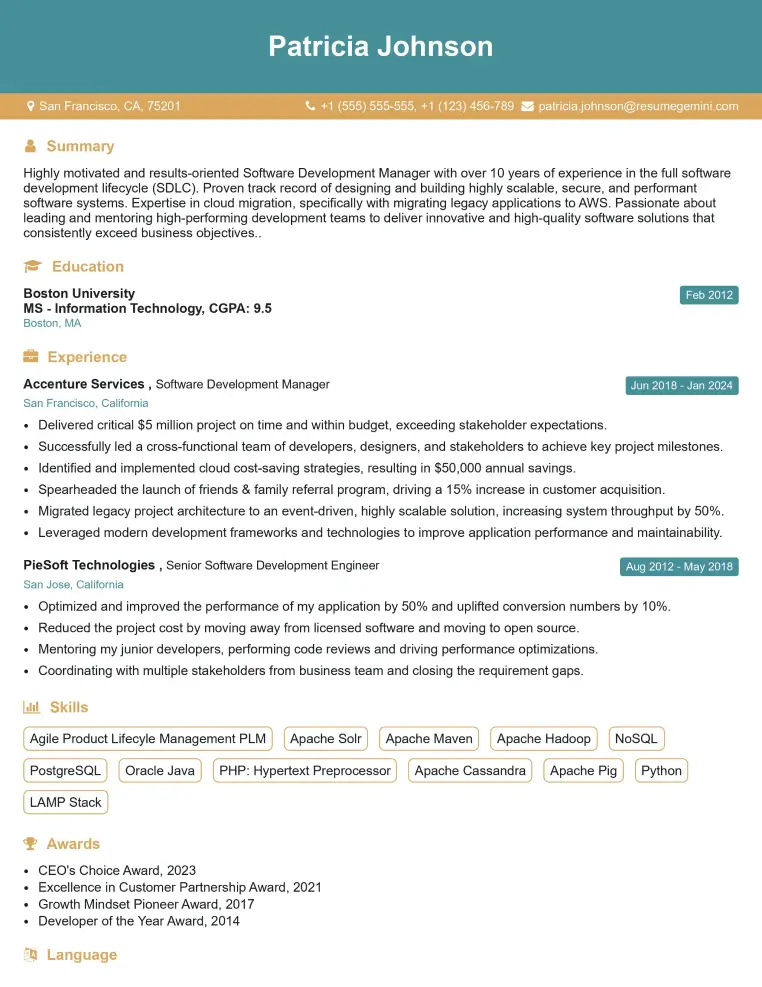
Elevate your job search with our premium resume templates. Here is an amazing resume template that can be used to build a professional and elegant resume. You can build a resume from scratch or revamp your existing resume. Impress hiring managers and secure your next opportunity.
- Top 50 Most Common Interview Questions
- The Psychology of a Great Resume: Hacks to Impress Recruiters
- What Mistakes to Avoid When Writing a Resume: A Comprehensive Guide
- Elevate Your Career with Expert Resume Building: Introducing ResumeGemini
- Crafting Your First Impression: How To Make Free Resume Online For Freshers