





Embark on a transformative career journey with our comprehensive guide. As you navigate the uncharted territories of career switching, this blog will equip you with the knowledge and strategies to craft a resume that unlocks your dream job.
1. Analyze Your Skills and Experience
Begin by taking stock of your existing skillset and professional experiences. Identify transferable skills that are relevant to your target industry and roles. Focus on skills that are in high demand and align with your career aspirations. Consider the following questions:
- What are my core strengths and competencies?
- Which of my skills are transferable to my desired field?
- How can I showcase my skills and experience in a compelling manner?
2. Identify Your Target Industry and Roles
Research potential industries and specific roles that align with your interests and skillset. Carefully study job descriptions, industry publications, and network with professionals in your desired field. Consider the following:
- What industries or sectors am I most interested in?
- Which specific roles or job titles best match my skills and career goals?
- What is the job market like for my target industry and roles?
3. Translate Your Skills and Experience
Effectively translate your transferable skills and experience into terms that resonate with your target industry. Use industry-specific keywords and highlight accomplishments that demonstrate the value you can bring to potential employers. Consider the following:
- How can I reframe my skills and experience to align with my target industry?
- What specific keywords and phrases are commonly used in job descriptions?
- How can I quantify my accomplishments and provide concrete examples of my impact?
4. Craft a Compelling Narrative
Your resume should tell a compelling story about your career journey and aspirations. Craft a concise and engaging summary statement that highlights your core skills, experience, and career goals. Use action verbs, quantify your accomplishments, and showcase your value proposition. Consider the following:
- What is the most compelling way to present my skills and experience?
- How can I differentiate myself from other candidates?
- What is the best way to convey my career aspirations and goals?
5. Use Industry-Specific Keywords and Language
Research industry-specific keywords and incorporate them into your resume. Use technical terms and jargon that are relevant to your target industry. This demonstrates your familiarity with the field and improves your resume’s visibility to potential employers using applicant tracking systems (ATS). Consider the following:
- What are the most common keywords used in job descriptions in my target industry?
- How can I incorporate industry-specific language into my resume without sounding unnatural?
- How can I use keywords to optimize my resume for ATS?
6. Highlight Transferable Skills
Emphasize transferable skills that are highly valued in your target industry. These skills are often applicable across different industries and roles, and they demonstrate your adaptability and versatility. Consider the following:
- What transferable skills do I possess that are in high demand in my target industry?
- How can I showcase my transferable skills through specific examples and accomplishments?
- How can I quantify my transferable skills to demonstrate their impact?
7. Seek Feedback and Iterate
After drafting your resume, seek feedback from trusted sources such as mentors, career counselors, or industry professionals. Ask for constructive criticism and suggestions to refine your resume and make it more effective. Incorporate feedback and iterate on your resume until you create a polished and compelling document that showcases your skills and experience. Consider the following:
- Who can provide valuable feedback on my resume?
- What specific questions should I ask for feedback?
- How can I incorporate feedback into my resume to improve its quality?
Additional Tips for a Standout Resume
- Keep it concise:Aim for a one-page resume that effectively summarizes your skills and experience.
- Use a professional template:Choose a clean and well-designed template from ResumeGemini
- Proofread carefully:Ensure your resume is free of errors in grammar, spelling, and formatting.
- Tailor your resume:Customize your resume for each job you apply for, highlighting the skills and experience most relevant to the role.
- Consider using a cover letter:A well-written cover letter can complement your resume and provide additional insights into your qualifications and career aspirations.
Embracing a career change is an exciting and rewarding endeavor. By following these steps and leveraging the resources available, you can create a powerful resume that showcases your transferable skills and paves the way for your dream job. Remember, the journey to career success is an ongoing one, and your resume should be a living document that evolves with your skills and experiences.
Career Expert Tips:
- Select the ideal resume template to showcase your professional experience effectively.
- Master the art of resume writing to highlight your unique qualifications and achievements.
- Checkout the resume writing tips for guidance and best practices.
- Make your 2025 brighter with a new job. Build a powerful resume with ResumeGemini and save big, enjoy exclusive discounts on premium templates.
Frequently Asked Questions (FAQ’s)
How do I identify my transferable skills for a career change?
Making a career switch can be exciting, but it’s essential to highlight your transferable skills to showcase your value to potential employers. Here’s how you can identify your transferable skills:
- Introspection: Think about the skills you’ve developed throughout your career, both in your current and previous roles. Consider your responsibilities, accomplishments, and the methods you used to achieve them.
- Job Descriptions: Analyze the job descriptions of the roles you’re interested in to identify the required skills. Compare these skills to your own to see where your experience aligns.
- Skill Assessment Tools: Utilize online tools or consult with a career counselor to assess your skills and identify those that are transferable to different industries and roles.
What are the most important elements to include in my resume?
Your resume should showcase your skills, experience, and qualifications in a clear and concise manner. The most important elements to include are:
- Contact Information: Ensure your name, email, phone number, and LinkedIn profile are prominently displayed.
- Summary or Objective: Write a compelling summary or objective statement that highlights your transferable skills and career aspirations.
- Skills: List your relevant skills, both hard and soft, using keywords that recruiters and hiring managers will be searching for.
- Experience: Describe your work experience in reverse chronological order, emphasizing your accomplishments and quantifying your results whenever possible.
- Education: List your educational background, including degrees, certifications, and relevant coursework.
How can I tailor my resume to different industries and roles?
Tailoring your resume to specific industries and roles is essential to make a strong impression on hiring managers. Here’s how you can do it:
- Research the Industry and Role: Understand the specific requirements and skills needed for the industry and role you’re applying for.
- Highlight Relevant Skills and Experience: Emphasize the skills and experiences that are most relevant to the job you’re seeking.
- Use Industry-Specific Keywords: Incorporate keywords from the job description and industry-specific terminology to make your resume stand out.
What are the common mistakes to avoid when writing a resume for a career change?
To make a successful career change, it’s important to avoid common resume writing pitfalls:
- Not Highlighting Transferable Skills: Failing to effectively showcase your transferable skills can hinder your chances of success.
- Using Generic Language: Avoid vague and generic descriptions. Instead, use specific and quantifiable examples to demonstrate your accomplishments.
- Lack of Focus: Keep your resume concise and focused on the most relevant information for the job you’re applying for.
Should I include my career goals in my resume?
Including a brief statement about your career goals can be beneficial, especially if it aligns with the position you’re applying for. However, keep it concise and relevant.
How do I highlight my accomplishments without sounding boastful?
To highlight your accomplishments effectively, use the STAR method:
- Situation: Describe the context or problem you faced.
- Task: State your role and responsibilities.
- Action: Explain the actions you took to address the situation.
- Result: Quantify your accomplishments and highlight the positive impact of your efforts.
What is the best way to incorporate my education and experience?
List your education in reverse chronological order, starting with your highest degree. For your experience, use a reverse chronological order, highlighting your most relevant and recent roles.
How can I make my resume visually appealing?
To enhance the visual appeal of your resume:
- Use a Professional Template: Choose a clean and professional template that is easy to read and visually appealing.
- Use White Space Effectively: Leave ample white space to make your resume appear less cluttered and more readable.
- Incorporate Color Wisely: Use subtle pops of color to highlight important information or sections.
Should I use a resume template?
Using a resume template can provide a structured and professional framework for your resume, saving you time and effort.
How do I proofread my resume effectively?
To proofread effectively:
- Read Aloud: Reading your resume aloud can help you catch errors in grammar, spelling, and flow.
- Use a Proofreading Tool: Utilize grammar and spell-checking software or online tools to identify errors.
- Take a Break: Step away from your resume for a while and come back to it later with fresh eyes.
Next Step:
Now that you have a better understanding of how to write a compelling resume for a career change, it’s time to take action. With ResumeGemini, you can create a professional resume that showcases your transferable skills and makes a lasting impression on hiring managers. Our user-friendly platform provides you with a step-by-step process, premium templates, and expert guidance to help you craft a resume that stands out.
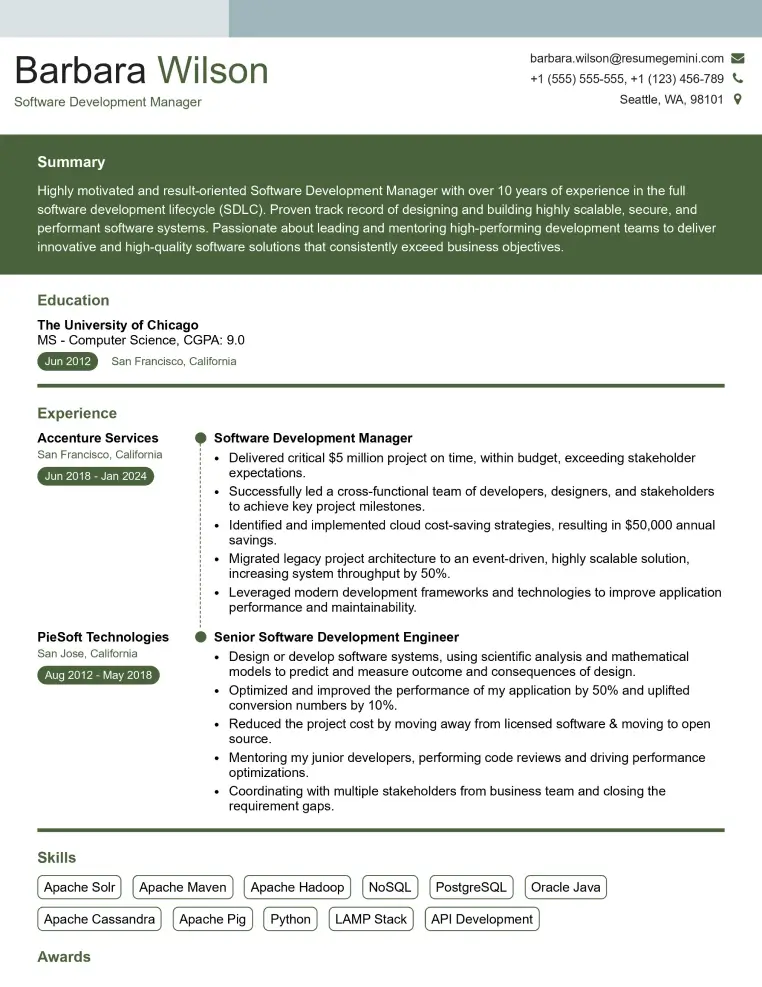
Elevate your job search with our premium resume templates. Here is an amazing resume template that can be used to build a professional and elegant resume. You can build a resume from scratch or revamp your existing resume. Impress hiring managers and secure your next opportunity.
- Top 50 Most Common Interview Questions
- The Psychology of a Great Resume: Hacks to Impress Recruiters
- What Mistakes to Avoid When Writing a Resume: A Comprehensive Guide
- Elevate Your Career with Expert Resume Building: Introducing ResumeGemini
- Crafting Your First Impression: How To Make Free Resume Online For Freshers