





In the ever-competitive UK job market, crafting a standout resume is crucial to securing your dream job. With the right strategies, you can elevate your resume and make it irresistible to potential employers. This comprehensive guide will provide you with 20 essential tips to help you achieve your career goals in 2026 and beyond.
Crafting an Effective Career Summary
Your career summary is your chance to make a strong first impression and showcase your most relevant skills and experience. Keep it concise, around 2-3 sentences, and highlight your key accomplishments and unique value proposition.
- Quantify your achievements with specific metrics whenever possible.
- Use strong action verbs to convey your impact and results.
Highlighting Relevant Experience
Tailor your work experience section to each job you apply for, emphasizing the skills and responsibilities that align with the specific requirements. Use keywords from the job description to ensure your resume matches the employer’s needs.
- Start each bullet point with a strong action verb.
- Quantify your accomplishments using specific numbers and metrics.
Quantifying Your Accomplishments
Numbers speak louder than words, so use specific metrics to quantify your accomplishments and demonstrate your impact. This will make your resume more credible and memorable.
- Use percentages, numbers, and specific results to quantify your achievements.
- For example, instead of saying “Managed a team,” write “Managed a team of 10 engineers, resulting in a 20% increase in productivity.”
Utilizing Action Verbs
Action verbs are essential for creating a dynamic and results-oriented resume. They convey your accomplishments and skills more effectively than passive verbs.
- Use strong action verbs that describe your responsibilities and achievements.
- Avoid using passive verbs like “was” and “had” and opt for active verbs like “managed,” “achieved,” and “developed.”
Tailoring Your Resume to UK Standards
The UK job market has specific conventions and expectations. Ensure your resume adheres to these standards by using the correct date format (dd/mm/yyyy), omitting your photo, and keeping your resume length to a single page.
- Use the British English spelling and grammar conventions.
- Tailor your resume to the specific industry and job you are applying for.
Using Keywords
Applicant Tracking Systems (ATS) are used by many UK employers to filter resumes. Optimize your resume for these systems by including relevant keywords from the job description. Use both general industry keywords and specific company-specific keywords.
- Identify the most important keywords in the job description.
- Incorporate these keywords naturally throughout your resume, including in your career summary, experience section, and skills section.
Proofreading and Editing
A polished and professional resume is essential. Before submitting it, carefully proofread your resume for any errors in grammar, spelling, and punctuation. Ask a friend or colleague to review it as well.
- Use a spell checker and grammar checker to identify any errors.
- Have someone else review your resume to ensure it is clear and error-free.
Leveraging ResumeGemini’s Features
Enhance your resume with ResumeGemini‘s customizable templates, professional fonts, and color themes. Explore our vast collection of pre-built resume samples tailored to different job titles and industries. Take advantage of the one-time payment plan with no recurring charges.
- Choose from a range of templates and customize them to match your personal style.
- Use ResumeGemini’s resume builder to easily create and format your resume.
Career Expert Tips:
- Select the ideal resume template to showcase your professional experience effectively.
- Master the art of resume writing to highlight your unique qualifications and achievements.
- Checkout the resume writing tips for guidance and best practices.
- Make your 2025 brighter with a new job. Build a powerful resume with ResumeGemini and save big, enjoy exclusive discounts on premium templates.
Frequently Asked Questions (FAQ’s)
What are the essential sections to include in a UK resume?
A well-crafted UK resume should include the following essential sections:
- Contact Information: This section should prominently display your full name, email address, phone number, and LinkedIn profile URL. Ensure that the information provided is professional and up-to-date.
- Personal Statement: A strong personal statement acts as a compelling introduction to your resume, highlighting your key skills, experience, and career aspirations. Keep it concise, around 3-5 sentences, and tailor it to the specific job you’re applying for.
- Work Experience: List your relevant work experience in reverse chronological order, starting with your most recent position. For each role, include the job title, company name, location, and dates of employment. Use action verbs to describe your responsibilities and quantify your accomplishments whenever possible.
- Education: State your educational qualifications in reverse chronological order, starting with the highest level attained. Include the degree or diploma name, university or institution, location, and graduation date.
- Skills: Showcase your hard and soft skills that are relevant to the job you’re applying for. Hard skills are specific technical abilities, while soft skills are more general transferable skills. Use a combination of both to demonstrate your versatility and value.
How can I tailor my resume to UK job market expectations?
To effectively tailor your resume to the UK job market, consider the following strategies:
- Use a formal and professional tone: UK resumes are typically more formal than their US counterparts. Avoid slang, colloquialisms, and contractions.
- Include a photo: While not mandatory, including a professional headshot on your resume is common practice in the UK. It adds a personal touch and helps recruiters put a face to your application.
- Use strong action verbs: When describing your accomplishments, use active and specific verbs that convey your impact and value. Avoid passive or vague language.
- Quantify your accomplishments: Whenever possible, use numbers and data to quantify your achievements. This helps recruiters quickly assess your contributions and the impact you made in previous roles.
- Highlight relevant skills and experience: Carefully review the job description and identify the key skills and experience required. Tailor your resume to highlight how your own skills and experience match those requirements.
What are the most effective ways to quantify my accomplishments?
Quantifying your accomplishments on your resume adds credibility and makes your impact more tangible to recruiters. Here are some effective techniques:
- Use specific numbers: Instead of saying “Improved sales,” state “Increased sales by 15% within six months.”
- Include percentages: Quantify your achievements by using percentages. For example, “Reduced operating costs by 20% through process optimization.”
- Cite financial impact: If possible, quantify your accomplishments in terms of financial impact. For example, “Generated over £1 million in revenue through successful project management.”
- Use metrics: Use relevant metrics to measure your achievements. For example, “Improved customer satisfaction by 10% as measured by NPS (Net Promoter Score).”
- Highlight results: Clearly state the positive outcomes or results of your actions. For example, “Led a team that exceeded sales targets by 25%.”
How can I use action verbs to make my resume more impactful?
Action verbs convey the actions you took and the impact you made in your previous roles. Using strong action verbs can make your resume more dynamic and engaging. Here’s how:
- Choose specific and vivid verbs: Instead of using generic verbs like “managed” or “worked,” opt for more specific and descriptive verbs like “spearheaded,” “implemented,” or “collaborated.”
- Use active voice: Active voice puts the emphasis on the subject performing the action. For example, “Led a team of engineers to develop a groundbreaking product” is more impactful than “A team of engineers was led to develop a groundbreaking product.”
- Avoid overused verbs: Common verbs like “responsible for” and “involved in” are overused and can weaken your resume. Replace them with more precise and impactful verbs.
- Use a thesaurus: If you’re struggling to find the right action verb, consult a thesaurus to explore synonyms and expand your vocabulary.
- Proofread carefully: Once you’ve incorporated action verbs, proofread your resume carefully to ensure that the verbs are used correctly and consistently.
What are the common mistakes to avoid when writing a UK resume?
To create a polished and effective UK resume, it’s essential to avoid common pitfalls. Here are some mistakes to steer clear of:
- Length: UK resumes are typically concise, around 1-2 pages in length. Avoid providing excessive details or irrelevant information.
- Design: While creativity is encouraged, your resume should maintain a professional and visually appealing design. Avoid using excessive graphics, colors, or fonts that may distract the recruiter.
- Typos and errors: Proofread your resume meticulously to eliminate any typos, grammatical errors, or formatting inconsistencies. Errors can create a negative impression and undermine your credibility.
- Irrelevant information: Include only relevant information that showcases your skills, experience, and qualifications for the specific job you’re applying for. Avoid personal information or unrelated details.
- Lack of focus: Your resume should have a clear focus and highlight your most relevant skills and experience. Avoid including unrelated or outdated information that may confuse the recruiter.
How can I optimize my resume for UK Applicant Tracking Systems?
Many UK companies use Applicant Tracking Systems (ATS) to screen resumes before they reach human recruiters. Optimizing your resume for ATS can increase your chances of getting noticed. Here are some tips:
- Use keywords: Carefully analyze the job description and identify relevant keywords. Include these keywords throughout your resume, especially in your skills section and work experience descriptions.
- Use a standard font: ATS systems prefer standard fonts like Arial, Calibri, or Times New Roman. Avoid using fancy or decorative fonts that may not be recognized by the ATS.
- Avoid images and graphics: While visual elements can enhance your resume, ATS systems may struggle to parse information from images or graphics. Stick to text-based content.
- Use consistent formatting: Maintain a consistent formatting style throughout your resume. Use clear headings, bullet points, and white space to make your resume easy for the ATS to read.
- Save your resume as a PDF: Save your resume as a PDF file before uploading it to job boards or company websites. PDF format preserves the formatting and content of your resume, ensuring it is displayed correctly by the ATS.
What are the best practices for proofreading and editing my resume?
Proofreading and editing your resume are crucial steps to ensure a polished and error-free final product. Here are some best practices to follow:
- Take a break: After completing your resume, take a break and come back to it with fresh eyes. This will help you catch errors and inconsistencies that you may have missed initially.
- Read aloud: Reading your resume aloud can help you identify awkward phrasing, repetitions, or grammatical errors.
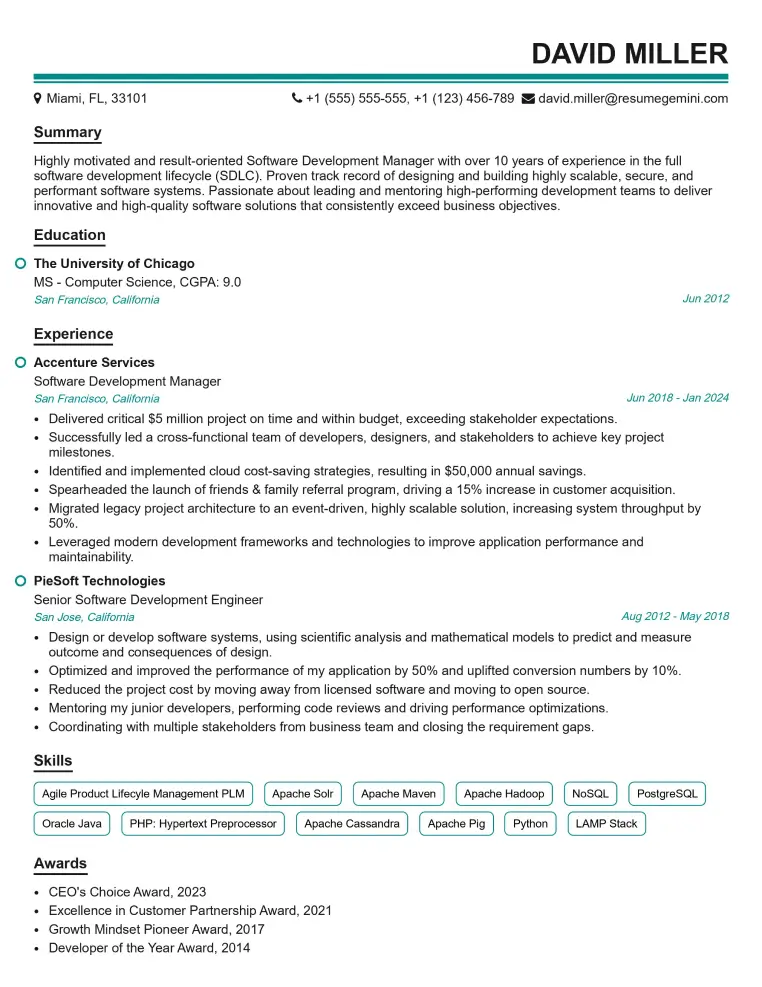
Elevate your job search with our premium resume templates. Here is an amazing resume template that can be used to build a professional and elegant resume. You can build a resume from scratch or revamp your existing resume. Impress hiring managers and secure your next opportunity.
- Top 50 Most Common Interview Questions
- The Psychology of a Great Resume: Hacks to Impress Recruiters
- What Mistakes to Avoid When Writing a Resume: A Comprehensive Guide
- Elevate Your Career with Expert Resume Building: Introducing ResumeGemini
- How to Write a Resume Using Google Gemini: Step-by-Step Guide