





Embarking on a career change can be both exhilarating and daunting. To navigate this transition successfully, it’s imperative to craft a killer resume that showcases your skills, experience, and adaptability. Here are seven secrets to write a resume that will empower you to make a seamless and impactful career change in 2026:
Identifying Transferable Skills: Highlighting Abilities Relevant to Your New Career
Transferable skills are those that can be applied across different industries and job functions. By identifying and highlighting these skills, you can demonstrate the relevance of your previous experience to your desired new career path. Consider the following:
- Analyze job descriptions for your target roles: Identify the skills and competencies employers are seeking, and map your existing skills to those requirements.
- Use keywords: Sprinkle industry-specific keywords throughout your resume to increase its visibility to recruiters and Applicant Tracking Systems (ATS).
Crafting a Compelling Career Summary: Showcasing Your Motivation and Goals
Your career summary is a concise yet powerful statement that introduces you to potential employers. It should highlight your key skills, experience, and career goals. Consider the following:
- Keep it brief: Aim for 2-3 sentences that effectively summarize your professional background and aspirations.
- Use action verbs: Start your summary with strong action verbs that demonstrate your initiative and accomplishments.
- Quantify your results: Whenever possible, use numbers and metrics to quantify the impact of your work.
Quantifying Your Accomplishments: Proving the Impact of Your Previous Experience
Don’t just list your responsibilities; use specific numbers and metrics to quantify your accomplishments. This will provide tangible evidence of your skills and impact, making your resume stand out from the crowd. Consider the following:
- Use specific numbers: Instead of saying “Managed a team,” say “Led a team of 10 engineers to increase software development efficiency by 20%.”
- Focus on results: Highlight the outcomes and impact of your work, not just the tasks you performed.
- Use percentages and dollar amounts: Quantify your accomplishments whenever possible, using percentages, dollar amounts, or other relevant metrics.
Tailoring Your Resume to Specific Industries: Aligning Your Skills with Job Requirements
Tailoring your resume to each job you apply for is crucial. Research the industries and specific roles you’re interested in, and highlight the skills and experience that are most relevant to those positions. Consider the following:
- Use industry-specific keywords: Integrate keywords from the job descriptions into your resume, demonstrating your knowledge and understanding of the industry.
- Emphasize relevant skills: Select the skills and experiences that are most applicable to the job you’re applying for, and highlight them prominently.
- Use examples and case studies: Provide specific examples and case studies to illustrate how your skills and experience can benefit the company.
Leveraging Keywords: Optimizing Your Resume for Applicant Tracking Systems
Most companies use Applicant Tracking Systems (ATS) to screen resumes. To ensure your resume gets past the ATS filter, optimize it with relevant keywords. Consider the following:
- Identify relevant keywords: Use job descriptions and industry research to identify the keywords most likely to be used in ATS searches.
- Use keywords naturally: Integrate keywords into your resume content in a natural and meaningful way.
- Use a keyword density checker: Use online tools or software to check the keyword density of your resume, ensuring it’s within the optimal range (typically around 1-2%).
Networking and Referrals: Building Connections for Career Opportunities
Networking and referrals can significantly increase your chances of landing your dream job. Leverage your existing connections and actively seek out new opportunities to meet professionals in your target industries. Consider the following:
- Attend industry events: Attend conferences, workshops, and networking events to connect with professionals in your field.
- Reach out to your network: Ask your friends, family, and former colleagues for referrals and introductions to potential employers.
- Use social media: Connect with potential employers and industry experts on LinkedIn and other social media platforms.
Demonstrating Your Adaptability: Highlighting Your Ability to Learn and Grow
In today’s rapidly changing job market, employers value candidates who are adaptable and eager to learn. Showcase your willingness to take on new challenges and expand your skillset. Consider the following:
- Highlight your continuing education: Include any certifications, training programs, or courses you’ve completed to demonstrate your commitment to professional development.
- Emphasize your willingness to learn: Use phrases like “eager to learn” or “open to new challenges” to convey your adaptability and enthusiasm for growth.
- Showcase your flexibility: Highlight experiences or projects that demonstrate your ability to work in different environments or handle multiple responsibilities.
By implementing these seven secrets, you can create a resume that will make you stand out from the competition and empower you to successfully navigate your career change in 2026. Remember, a well-crafted resume is not just a collection of your experiences but a strategic document that showcases your skills, motivation, and adaptability, propelling you towards your career aspirations. Visit ResumeGemini to explore our professional resume templates and expert guidance, and take the first step towards your dream career path!
Career Expert Tips:
- Select the ideal resume template to showcase your professional experience effectively.
- Master the art of resume writing to highlight your unique qualifications and achievements.
- Checkout the resume writing tips for guidance and best practices.
- Make your 2025 brighter with a new job. Build a powerful resume with ResumeGemini and save big, enjoy exclusive discounts on premium templates.
Frequently Asked Questions (FAQ’s)
What are the crucial elements to include in a career change resume?
When crafting a career change resume, it’s essential to showcase how your existing skills and experiences align with the new career path you seek. Highlight your transferable skills, quantifying accomplishments, tailoring your resume to the specific industry you’re targeting, and including relevant keywords. Remember to convey your motivations and career goals to demonstrate your enthusiasm about the new profession.
- Transferable Skills: Identify skills that are applicable to both your current and desired roles, such as problem-solving, communication, or project management. Emphasize these skills prominently.
- Quantified Accomplishments: Use specific metrics to measure and quantify your achievements in previous roles. This adds credibility and impact to your resume.
- Industry-Specific Tailoring: Research the industry you’re targeting and incorporate relevant keywords and industry-specific jargon into your resume. This shows potential employers that you’re knowledgeable and invested in the field.
- Motivation and Goals: Express your enthusiasm for the new career path in your resume summary or objective statement. Clearly state your career goals and how the transition aligns with your aspirations.
How can I effectively highlight my transferable skills?
To effectively highlight your transferable skills, consider the following strategies:
- Identify Commonalities: Analyze both your current and desired roles and identify the overlapping skills and experiences. Focus on transferable skills that are in high demand in your target industry.
- Use Strong Action Verbs: When describing your accomplishments, use strong action verbs that emphasize your skills. For instance, instead of “managed projects,” write “led cross-functional teams to deliver projects on time and within budget.”
- Quantify Your Results: Whenever possible, quantify your accomplishments to provide tangible evidence of your impact. For example, “Increased sales by 15% through implementing new marketing strategies.”
- Tailor to Specific Job Descriptions: When applying for specific roles, tailor your resume to highlight the transferable skills that are most relevant to the job description.
What are the best ways to quantify my accomplishments?
Quantifying your accomplishments not only adds credibility but also helps potential employers grasp the impact of your work. Here’s how you can do it effectively:
- Use Specific Metrics: Whenever possible, use specific metrics and data to measure your achievements. For example, instead of saying “Improved customer satisfaction,” write “Increased customer satisfaction by 25% through implementing a new customer service initiative.”
- Highlight Results: Focus on the quantifiable results of your efforts. Instead of saying “Managed a team,” write “Managed a team of 10 engineers, resulting in the successful launch of three new products.”
- Use Numbers and Percentages: Incorporate numbers and percentages to quantify your accomplishments and make your resume more impactful.
How can I tailor my resume to different industries?
Tailoring your resume to different industries demonstrates your understanding of the specific requirements and keywords relevant to each field. Here’s how you can do it:
- Research Industry-Specific Keywords: Identify the keywords and industry-specific jargon commonly used in job descriptions within your target industry. Incorporate these keywords into your resume to improve its visibility to potential employers.
- Highlight Relevant Experience: Emphasize the experiences and skills that are most relevant to the industry you’re targeting. For instance, if transitioning to the tech industry, highlight your experience in software development or data analysis.
- Use Industry-Specific Examples: When providing examples of your accomplishments, choose examples that are relevant to the industry you’re applying to. This shows potential employers that you have a clear understanding of the field.
- Seek Professional Help: Consider seeking professional resume writing services or using ResumeGemini to create an industry-specific resume that meets the unique requirements of your target industry.
What are the most effective keywords to use in my resume?
Identifying and using effective keywords in your resume is essential for boosting its visibility to potential employers. Here’s how you can find and incorporate relevant keywords:
- Analyze Job Descriptions: Carefully review job descriptions in your target industry to identify frequently used keywords and skills. These keywords provide valuable insights into what employers are looking for.
- Use Industry-Specific Keywords: Research industry-specific keywords and jargon related to your target profession. Incorporating these terms into your resume showcases your knowledge and expertise in the field.
- Avoid Keyword Stuffing: While it’s important to include relevant keywords, avoid keyword stuffing. Ensure your resume flows naturally and remains easy to read.
How can I leverage networking and referrals to find new opportunities?
Networking and referrals can be powerful tools for discovering new career opportunities, especially during a career change. Here’s how you can leverage them:
- Attend Industry Events: Participate in industry events, conferences, and meetups to connect with professionals in your target field.
- Join Professional Organizations: Become a member of professional organizations related to your target industry. This provides access to networking opportunities, resources, and job postings.
- Ask for Referrals: Don’t hesitate to reach out to your network and ask for referrals to potential job opportunities. People are often willing to help those they know and trust.
- Use LinkedIn: Utilize LinkedIn to connect with professionals in your industry, join relevant groups, and search for job openings.
What are the strategies to demonstrate my adaptability?
Demonstrating adaptability in your resume is crucial for a successful career change. Here are some strategies to showcase your adaptability:
- Highlight Transferable Skills: Emphasize your transferable skills that can be applied to various industries and roles. This shows potential employers that you can quickly learn and adapt to new challenges.
- Showcase a Growth Mindset: Use examples in your resume that demonstrate your willingness to learn, embrace change, and take on new challenges.
- Highlight Relevant Experience: Include experiences that showcase your ability to adapt to different environments, work with diverse teams, and handle unexpected situations.
How can I effectively convey my motivation and goals in my resume?
Clearly conveying your motivation and career goals in your resume is essential to capture the attention of potential employers. Here’s how you can do it effectively:
- Craft a Compelling Summary: Use your resume summary or objective statement to concisely express your career aspirations and why you’re excited about the new career path.
- Use Action Verbs: When describing your accomplishments, use strong action verbs that convey your motivation and drive. For example, instead of “Managed projects,” write “Led and motivated teams to deliver exceptional results.”
- Quantify Your Goals: If possible, quantify your career goals to provide potential employers with a tangible understanding of your ambitions.
Next Step:
Now that you’re equipped with these resume writing secrets, it’s time to take action and create a compelling resume that will empower your career change journey in 2026. With ResumeGemini, you have access to premium resume templates, a step-by-step resume builder, and expert writing tips to craft a resume that stands out from the crowd. Start building your new resume today and unlock the opportunities that await you in the new year!
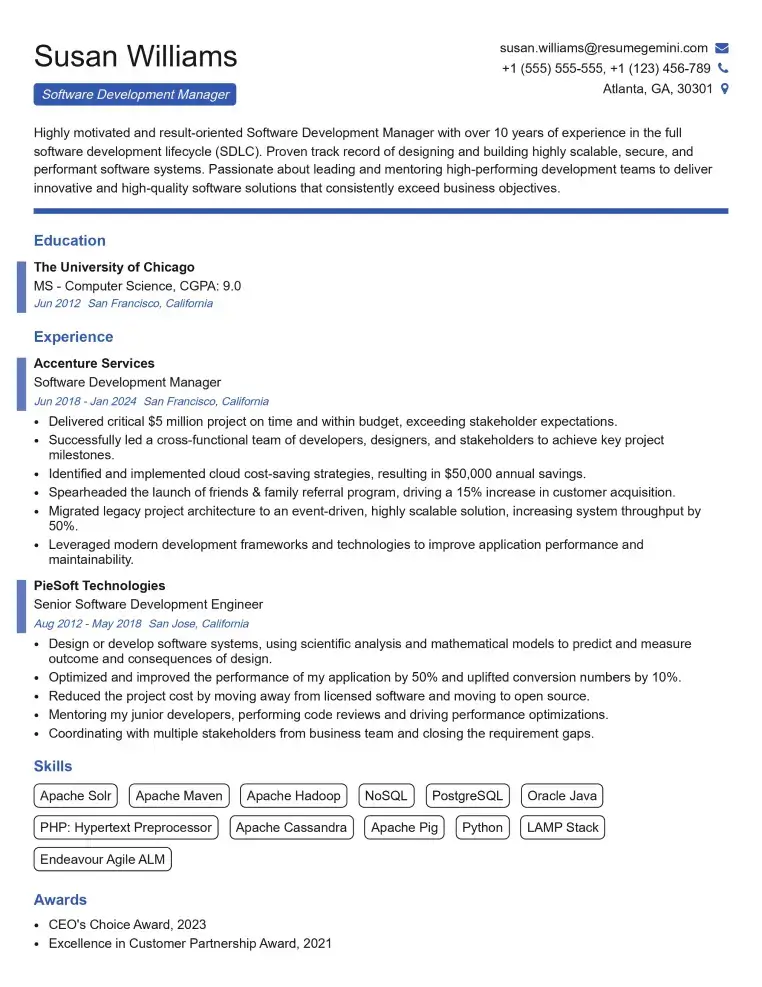
Elevate your job search with our premium resume templates. Here is an amazing resume template that can be used to build a professional and elegant resume. You can build a resume from scratch or revamp your existing resume. Impress hiring managers and secure your next opportunity.
- Top 50 Most Common Interview Questions
- The Psychology of a Great Resume: Hacks to Impress Recruiters
- What Mistakes to Avoid When Writing a Resume: A Comprehensive Guide
- Elevate Your Career with Expert Resume Building: Introducing ResumeGemini
- How to Write a Resume Using Google Gemini: Step-by-Step Guide