





In the fiercely competitive job market, finding your dream career can seem like an insurmountable task. But with the right strategies and unwavering determination, you can stand out from the crowd and land the job you’ve always wanted. Here are 10 easy yet effective tricks to help you achieve your career goals:
1. Craft a Captivating Resume That Stands Out
Your resume is often the first impression you make on potential employers, so it’s crucial to create a document that showcases your skills, experience, and accomplishments in a polished and professional manner. Consider using ResumeGemini – an ATS-friendly resume builder with over 3.6 million content examples – to help you craft a resume that will get noticed.
2. Optimize Your LinkedIn Profile for Headhunter Attention
LinkedIn is a powerful tool for job seekers, providing a platform to connect with recruiters, showcase your skills, and stay up-to-date with industry trends. Ensure your profile is complete, engaging, and keyword-rich to increase your visibility to potential employers.
3. Master the Art of Networking and Building Connections
Networking is not just about attending industry events and handing out business cards. It’s about building genuine relationships with people who can potentially help you in your career journey. Reach out to professionals in your field, join online communities, and participate in professional development opportunities to expand your professional network.
4. Use Job Boards Strategically for Targeted Applications
While there are numerous job boards available, it’s essential to focus on platforms that cater to your industry and professional level. Identify the most relevant job boards and tailor your applications to match the specific requirements of each job description.
5. Maximize the Power of Informational Interviews
Informational interviews are a great way to gain insights into different career paths, learn about potential job openings, and build connections within your industry. Reach out to professionals in your desired field and request an informational interview to learn more about their experiences and seek career advice.
6. Ace Your Interview Preparation and Presentation
When you finally secure an interview, thorough preparation is key. Research the company, practice answering common interview questions, and prepare thoughtful questions to ask the interviewer. Dress professionally, arrive on time, and maintain a positive, confident demeanor throughout the interview.
7. Negotiate Your Salary and Benefits Confidently
If an offer comes your way, don’t be afraid to negotiate your salary and benefits. Research industry benchmarks, determine your worth based on your skills and experience, and be prepared to justify your salary expectations. Consider the entire compensation package, including benefits such as health insurance, paid time off, and professional development opportunities.
8. Follow Up Effectively to Seal the Deal
After each interview, follow up with the interviewer within 24 hours to thank them for their time and reiterate your interest in the position. Express your enthusiasm and highlight any additional information or skills that may have been overlooked during the interview.
9. Learn from Rejection and Stay Motivated
Rejection is an inevitable part of the job search process. Rather than letting it discourage you, use it as an opportunity to learn and improve. Analyze the feedback provided by interviewers and identify areas where you can enhance your application or interview skills. Stay motivated and persistent, and remember that the right opportunity is just around the corner.
10. Additional Resources for Enhanced Job Search Success
In addition to the strategies outlined above, here are a few additional resources that can help you in your job search:
- Career Counseling: Seek guidance from a career counselor or job coach to develop effective job search strategies, identify career goals, and enhance your resume and interview skills.
- Online Courses and Workshops: Enroll in online courses or workshops related to job search techniques, resume writing, and interview preparation.
- Job Search Support Groups: Join job search support groups or online forums to connect with other job seekers, share experiences, and provide mutual encouragement.
Career Expert Tips:
- Select the ideal resume template to showcase your professional experience effectively.
- Master the art of resume writing to highlight your unique qualifications and achievements.
- Checkout the resume writing tips for guidance and best practices.
- Make your 2025 brighter with a new job. Build a powerful resume with ResumeGemini and save big, enjoy exclusive discounts on premium templates.
Frequently Asked Questions (FAQ’s)
How can I make my resume more impressive?
Use strong action verbs. Replace passive verbs with active verbs to make your resume more impactful. For example, instead of “Assisted with project management,” try “Managed all aspects of project execution.” Quantify your accomplishments. Use numbers and metrics to demonstrate the results of your work. For example, instead of “Improved customer satisfaction,” try “Increased customer satisfaction by 15% through process improvements.” Tailor your resume to each job you apply for. Take the time to review the job description and identify the key skills and experiences the employer is seeking. Then, highlight those skills and experiences in your resume. Get feedback on your resume from a friend, family member, or career counselor. A fresh set of eyes can help you identify areas for improvement.
What are the key elements of a strong LinkedIn profile?
A professional headshot. Your profile picture is one of the first things recruiters will see, so make sure it’s a professional photo that shows you in a flattering light. A clear and concise headline. Your headline is your chance to make a great first impression, so use it to summarize your skills and experience in a way that will grab attention. A detailed summary. Your summary is an opportunity to tell your professional story and highlight your key skills and accomplishments. Use it to give recruiters a sense of who you are and what you’re passionate about. Relevant experience. List your work experience in reverse chronological order, and be sure to include a brief description of each role. Highlight your accomplishments and the skills you developed in each position. Education. List your educational background, including the schools you attended, your degrees, and your graduation dates. Skills and endorsements. List your skills and certifications, and ask colleagues and clients to endorse your skills. This will help recruiters see what you’re good at and what others think of you.
How can I effectively network to find job opportunities?
Attend industry events. Industry events are a great way to meet people in your field and learn about new job opportunities. Attend conferences, meetups, and workshops to connect with other professionals and learn about the latest trends in your industry. Join professional organizations. Professional organizations offer a great way to meet people in your field and learn about job opportunities. Join organizations that are relevant to your interests and career goals, and attend their events and meetings. Connect with people on LinkedIn. LinkedIn is a great way to connect with people in your field and learn about job opportunities. Send connection requests to people you know and to people who work at companies you’re interested in. Reach out to your friends and family. Let your friends and family know that you’re looking for a job, and ask them if they know of any openings. You never know when someone you know might know of a job that’s a good fit for you.
What are the best job boards to use for my industry?
Indeed.com. Indeed is a general job board that lists millions of jobs in all fields. It’s a great place to start your job search, especially if you’re not sure where to look. LinkedIn. LinkedIn is a social media site for professionals, and it’s a great place to find jobs in your industry. LinkedIn has a job board where you can search for jobs, and you can also use LinkedIn to connect with recruiters and other professionals who can help you find a job. Glassdoor.com. Glassdoor is a job site that provides information on salaries, benefits, and company culture. It’s a great place to research companies and to find out what it’s like to work for them. Industry-specific job boards. There are also many industry-specific job boards that list jobs in specific fields. For example, if you’re looking for a job in the tech industry, you might want to check out Dice.com or TechCrunch.
How do I prepare for and conduct successful informational interviews?
Research the company and the person you’re meeting with. Before the interview, take some time to learn about the company and the person you’re meeting with. This will help you ask informed questions and make a good impression. Prepare questions. Come to the interview with a list of questions prepared. This will help you stay on track and make the most of your time. Be yourself. Be honest and genuine in your interactions. The person you’re meeting with will be able to tell if you’re not being yourself, and it will make it harder to build a rapport. Follow up. After the interview, send a thank-you note to the person you met with. This is a nice way to show your appreciation and to keep the conversation going.
What are the common mistakes to avoid during job interviews?
Being late. Punctuality is important, so make sure you arrive on time for your interview. If you’re running late, call or email the interviewer to let them know. Dressing inappropriately. Dress professionally for your interview, even if it’s a casual company. First impressions matter, so make sure you put your best foot forward. Not being prepared. Do your research on the company and the position you’re interviewing for. This will help you answer questions intelligently and show that you’re interested in the job. Talking too much. Let the interviewer do most of the talking. Your job is to listen attentively and answer questions thoughtfully. Being negative. Don’t complain about your previous job or your current job search. Instead, focus on the positive and why you’re excited about the opportunity to work for the company.
Next Step:
Now that you have the answers to your most pressing job search questions, it’s time to put them into action. By following these tips, you can improve your resume, network effectively, and land the job of your dreams.
But before you go, there’s one more thing to do. Head to ResumeGemini to build a professional resume that will make you stand out from the competition. With ResumeGemini, you can create a resume that highlights your skills and experiences in the best possible light. So don’t wait any longer, visit ResumeGemini today and start your job search off on the right foot.
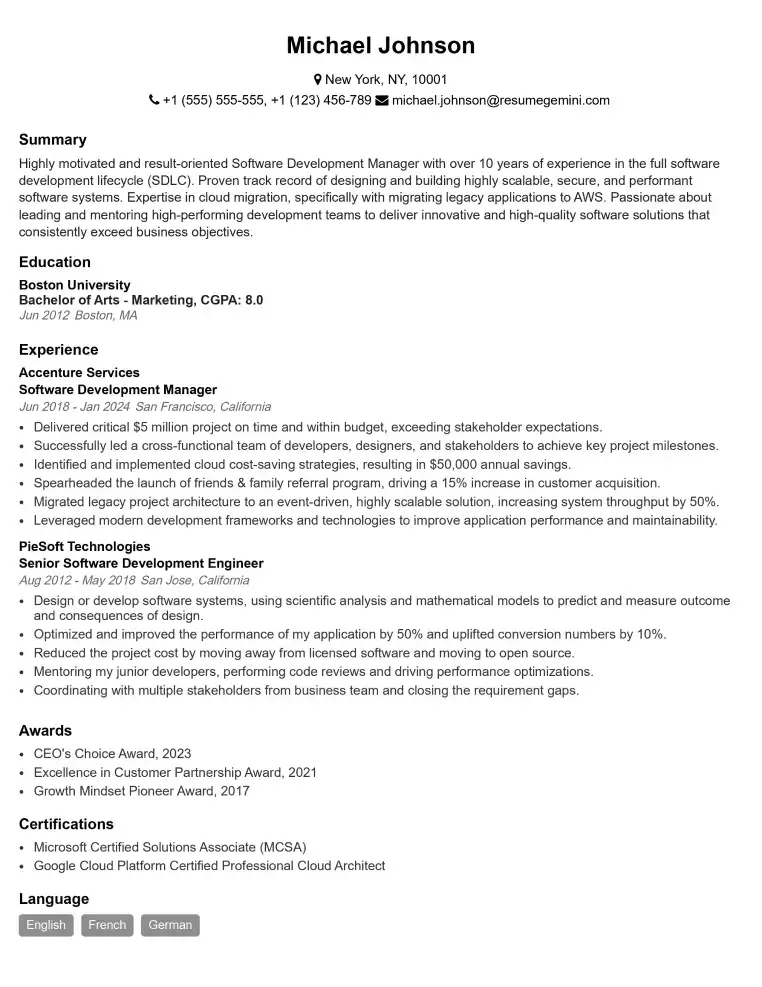
Elevate your job search with our premium resume templates. Here is an amazing resume template that can be used to build a professional and elegant resume. You can build a resume from scratch or revamp your existing resume. Impress hiring managers and secure your next opportunity.
- Top 50 Most Common Interview Questions
- The Psychology of a Great Resume: Hacks to Impress Recruiters
- What Mistakes to Avoid When Writing a Resume: A Comprehensive Guide
- Elevate Your Career with Expert Resume Building: Introducing ResumeGemini
- Crafting Your First Impression: How To Make Free Resume Online For Freshers