





Entering the job market as a recent graduate is an exciting yet daunting prospect. With your freshly minted diploma in hand, you’re eager to showcase your skills and land your dream job. However, creating a resume that stands out in today’s competitive market requires more than just listing your academic achievements. Employers are looking for candidates who possess a well-rounded skill set and a clear understanding of the industry they’re applying to. To help you craft a resume that gets noticed, we’ve compiled a list of 10 essential elements that every recent graduate should include in their resume in 2026.
Quantify Your University Experience
Don’t just list your GPA and degree; instead, quantify your university experience to demonstrate the impact you made during your time on campus. For instance, you could mention the number of projects you led, the size of the team you managed, or the budget you were responsible for. This adds credibility to your resume and provides employers with a tangible understanding of your contributions.
Showcase Your Skills
In addition to your education, employers are interested in the skills you possess. Make a comprehensive list of your hard and soft skills, including technical proficiencies, communication abilities, and problem-solving capabilities. Consider creating a separate skills section on your resume to highlight these valuable assets.
Highlight Relevant Coursework and Projects
Tailor your resume to each job you apply for by including relevant coursework and projects that demonstrate your qualifications for the position. For example, if you’re applying for a marketing role, mention any marketing courses you took or projects you worked on that showcase your understanding of the industry. This shows employers that you’re not only knowledgeable but also eager to apply your skills in a practical setting.
Include Extracurricular Activities and Leadership Roles
Extracurricular activities and leadership roles not only enrich your university experience but also provide valuable skills that are highly sought after by employers. These experiences demonstrate your teamwork, leadership, communication, and organizational abilities. Quantify your achievements whenever possible, and be specific about the responsibilities you held.
Consider a Functional Resume Format
If you have limited work experience, a functional resume format may be a better choice for you. This type of resume highlights your skills and experiences rather than your chronological work history. It allows you to group your skills into relevant categories, making it easier for employers to see how you can contribute to their organization.
Use Keywords and ATS-Friendly Formatting
Many companies use Applicant Tracking Systems (ATS) to screen resumes. To ensure your resume gets noticed, incorporate relevant keywords from the job description into your resume. Additionally, use ATS-friendly formatting, such as a clean, easy-to-read font, clear headings, and bullet points.
Proofread Carefully
Before submitting your resume, proofread it carefully for any errors in grammar, spelling, or punctuation. A polished resume demonstrates your attention to detail and professionalism. Consider asking a friend, family member, or career counselor to review your resume for a fresh perspective.
Get Feedback from a Career Counselor
Career counselors are trained professionals who can provide valuable guidance on resume writing. They can help you identify your strengths, tailor your resume to specific job applications, and prepare for interviews. Schedule an appointment with a career counselor at your university or community college to get personalized advice.
Keep it Concise and Tailored
Recruiters typically spend only a few seconds scanning a resume, so it’s essential to keep it concise and tailored to the job you’re applying for. Stick to one page for your resume, and use clear, concise language to describe your experiences and skills. Customize your resume for each job application, highlighting the most relevant qualifications for the position.
Include a Professional Profile
Start your resume with a strong professional profile that summarizes your skills, experience, and career goals. Keep it brief, around 2-3 sentences, and tailor it to each job application. Your professional profile should immediately capture the attention of recruiters and encourage them to learn more about you.
Crafting a standout resume as a recent graduate requires careful planning and attention to detail. By incorporating these 10 essential elements into your resume, you can increase your chances of making a positive impression on potential employers and landing your dream job. Remember to tailor your resume to each job application, highlighting the most relevant qualifications and skills for the position. With a well-written resume, you’ll be well on your way to securing a successful career.
For additional support in creating a resume that meets today’s market demands, visit ResumeGemini. Our platform offers a comprehensive suite of tools and resources to help you craft a resume that will get you noticed and open doors to new opportunities.
Career Expert Tips:
- Select the ideal resume template to showcase your professional experience effectively.
- Master the art of resume writing to highlight your unique qualifications and achievements.
- Checkout the resume writing tips for guidance and best practices.
- Make your 2025 brighter with a new job. Build a powerful resume with ResumeGemini and save big, enjoy exclusive discounts on premium templates.
Frequently Asked Questions (FAQ’s)
How do I quantify my university experience and make it stand out?
Quantifying your university experience is essential in showcasing the impact and relevance of your education to potential employers. Consider using specific numbers, metrics, and accomplishments to demonstrate your contributions.
- Highlight leadership roles in student organizations or clubs, quantifying the number of members or projects you managed.
- Use data to support your involvement in research or coursework, such as the number of publications or presentations you participated in.
- Showcase the impact of your academic projects or internships by mentioning the specific outcomes, deliverables, or improvements you achieved.
- Quantify your extracurricular activities by providing details on the scope or scale of your involvement, such as the number of events organized or participants engaged.
What are the most important skills to highlight on my resume as a recent graduate?
As a recent graduate, it’s crucial to emphasize skills that are relevant to the job market and in demand by employers. Consider including both hard and soft skills, such as:
- Technical skills: List your proficiency in software, programming languages, or specialized tools related to your field.
- Analytical and problem-solving skills: Highlight your ability to gather, analyze, and interpret data to make informed decisions.
- Communication and interpersonal skills: Emphasize your proficiency in written and verbal communication, as well as your ability to work effectively in a team environment.
- Adaptability and learning agility: Showcase your willingness to embrace new challenges, learn new skills, and adapt to changing circumstances.
Should I include coursework and projects on my resume?
Yes, including relevant coursework and projects on your resume can enhance its value. Here’s how you can incorporate them effectively:
- Choose impactful projects: Highlight projects that demonstrate your skills and knowledge, especially if they are aligned with the job requirements.
- Quantify your accomplishments: Use numbers and metrics to showcase the impact of your projects, such as the number of users you engaged or the cost savings you achieved.
- Use keywords: Incorporate keywords from the job description into your project descriptions to increase their relevance.
- Consider a portfolio: If you have a portfolio that showcases your work, include a link to it on your resume.
How do I effectively showcase my extracurricular activities and leadership roles?
Extracurricular activities and leadership roles can provide valuable insights into your skills, experiences, and character. Here are some tips for showcasing them effectively:
- Quantify your contributions: Use numbers and metrics to demonstrate the impact of your involvement, such as the number of people you led or the amount of funds you raised.
- Highlight transferable skills: Focus on transferable skills that are relevant to the job market, such as leadership, teamwork, communication, and problem-solving.
- Use action verbs: Use strong action verbs to describe your responsibilities and accomplishments, such as “led,” “managed,” or “organized.”
- Tailor to the job description: Review the job description to identify specific skills or experiences that you can highlight through your extracurricular activities.
When should I use a functional resume format?
A functional resume format is typically suitable when you have limited or non-traditional work experience, or when you are transitioning to a new career. It focuses on your skills and abilities rather than your chronological work history. Consider using a functional resume if:
- You are a recent graduate with limited work experience.
- You have gaps in your work history.
- You are changing careers and want to emphasize transferable skills.
- You have a strong portfolio or body of work that showcases your skills.
How do I incorporate keywords and ATS-friendly formatting?
Incorporating keywords and using an ATS-friendly format can increase the visibility and effectiveness of your resume. Here’s how you can do it:
- Read the job description carefully: Identify the keywords and phrases that describe the required skills and qualifications.
- Use keywords naturally: Incorporate keywords into your resume content, but avoid keyword stuffing.
- Use clear and concise language: ATS systems prioritize readability, so use simple and direct language.
- Use a consistent format: Stick to a standard resume format, such as reverse chronological or functional, and use clear headings and subheadings.
- Save your resume as a PDF: PDFs are the preferred file format for many ATS systems.
Why is proofreading essential for my resume?
Proofreading your resume is crucial for ensuring that it is error-free, professional, and polished. Here’s why:
- Eliminate errors: Even minor errors, such as typos or grammatical mistakes, can create a negative impression.
- Ensure clarity and readability: Proofreading helps you ensure that your resume is easy to read and understand.
- Convey attention to detail: A well-proofread resume demonstrates your attention to detail and professionalism.
- Increase your chances of getting noticed: A polished and error-free resume increases your chances of passing ATS screening and getting noticed by hiring managers.
Who can I get feedback from to improve my resume as a recent graduate?
Getting feedback on your resume can help you identify areas for improvement and strengthen its overall impact. Consider seeking feedback from:
- Career counselors: Career counselors can provide guidance on resume writing, industry trends, and job search strategies.
- Professors or mentors: Professors who know your academic achievements and potential can offer valuable feedback on your resume.
- Peers or classmates: Ask a peer to review your resume for clarity, readability, and overall impression.
- Industry professionals: If you have connections in the industry, request feedback from professionals in your desired field.
How do I keep my resume concise and tailored to different job applications?
Keeping your resume concise and tailored to different job applications is essential for making a strong impression. Here’s how you can do it:
- Limit to one page: Generally, a resume for a recent graduate should be limited to one page.
- Use concise language: Use clear and concise language to convey your skills and experiences without unnecessary details.
- Tailor to the job description: Review the job description and highlight the skills and experiences that are most relevant to the position.
- Use a template: Using a resume template can help you stay organized and ensure a professional appearance.
- Proofread carefully: Proofread your resume to eliminate errors and ensure that it is tailored specifically to the job you are applying for.
What should I include in my professional profile?
Your professional profile is a summary that sits at the top of your resume and provides a brief overview of your skills, experiences, and career goals. Here’s what to include:
- Start with a strong statement: Begin your profile with a concise and impactful statement that summarizes your skills and career aspirations.
- Highlight your key skills: List 3-5 of your most relevant skills that align with the job you are applying for.
- Quantify your accomplishments: If possible, provide specific, quantifiable examples of your achievements to demonstrate your impact.
- Top 50 Most Common Interview Questions
- The Psychology of a Great Resume: Hacks to Impress Recruiters
- What Mistakes to Avoid When Writing a Resume: A Comprehensive Guide
- Elevate Your Career with Expert Resume Building: Introducing ResumeGemini
- Crafting Your First Impression: How To Make Free Resume Online For Freshers
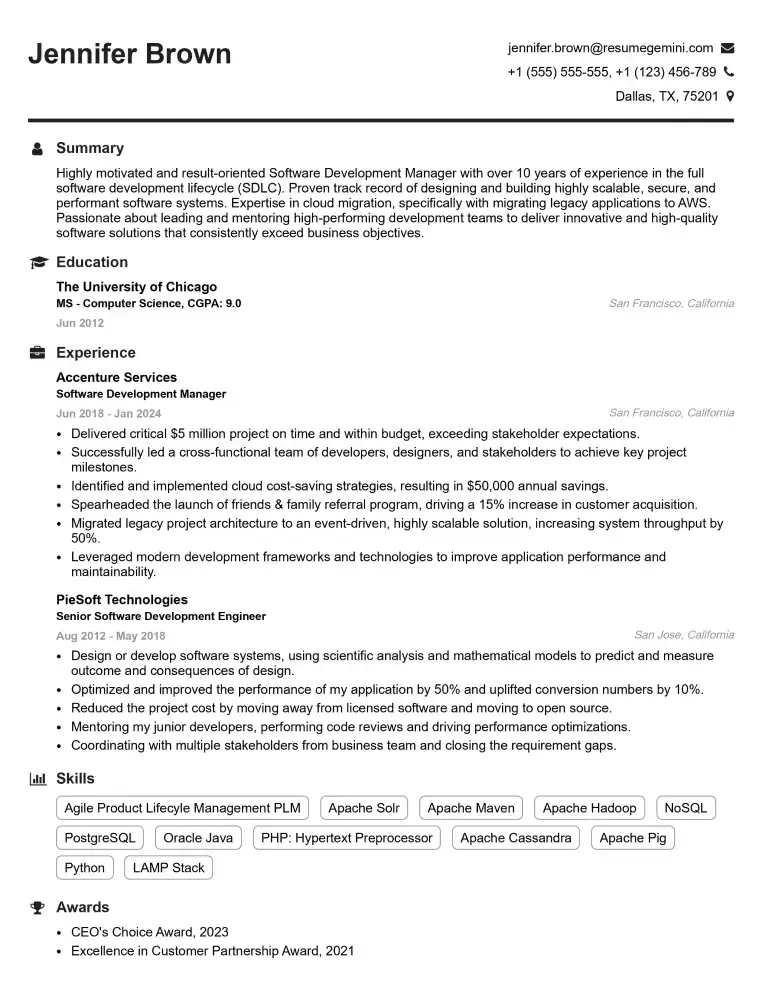
Elevate your job search with our premium resume templates. Here is an amazing resume template that can be used to build a professional and elegant resume. You can build a resume from scratch or revamp your existing resume. Impress hiring managers and secure your next opportunity.