





In today’s competitive job market, a standout CV is more important than ever before. It serves as your first impression on potential employers, highlighting your skills, experience, and qualifications. To make your CV shine in 2026, we’ve compiled 10 essential tips that will help you craft a compelling document that gets you noticed.
Craft a Compelling CV Headline
Your CV headline is the first thing recruiters see, so it’s crucial to make it impactful. In a few words, summarize your key skills and experience. For instance, instead of writing “Marketing Professional,” try “Data-Driven Marketing Manager with 5+ Years of Experience in Digital Marketing.”
Highlight Your Relevant Skills and Experience
Tailor your CV to each job application by showcasing the skills and experience that are most relevant to the role. Use keywords from the job description and quantify your accomplishments whenever possible. For instance, instead of saying “Managed social media campaigns,” quantify your results: “Increased social media engagement by 20% through targeted campaigns.”
Quantify Your Accomplishments
Whenever possible, use numbers to demonstrate the impact of your work. This makes your accomplishments more tangible and impressive to recruiters. For example, instead of saying “Developed new marketing strategies,” quantify your results: “Developed and implemented new marketing strategies that resulted in a 15% increase in sales.”
Use Strong Action Verbs
Action verbs are more powerful than passive verbs in conveying your skills and experience. Instead of using words like “assisted” or “helped,” use strong action verbs like “managed,” “led,” or “achieved.” This makes your CV more dynamic and engaging.
Tailor Your CV to Each Job Application
Don’t send the same CV for every job application. Take the time to tailor your CV to each role by highlighting the skills and experience that are most relevant to the job description. This shows recruiters that you’re genuinely interested in the position and that you’ve taken the time to learn about the company.
Include a Professional Summary or Objective
A professional summary or objective is a brief statement at the beginning of your CV that summarizes your skills, experience, and career goals. This is a great way to make a strong impression and grab the recruiter’s attention. Keep your summary or objective concise and to the point, and tailor it to each job application.
Get Feedback from a Recruiter or Career Counselor
One of the best ways to improve your CV is to get feedback from a recruiter or career counselor. They can provide objective feedback on your CV’s strengths and weaknesses and help you make improvements. Consider scheduling a consultation with a recruiter or career counselor to get their professional insights.
Proofread Carefully Before Submitting
Before submitting your CV, proofread it carefully for any errors in grammar, spelling, or punctuation. A sloppy CV with errors will make a bad impression on recruiters. Take the time to proofread your CV multiple times before submitting it.
Consider a Creative or Infographic CV
If you’re applying for a creative role, you may want to consider creating a creative or infographic CV. These types of CVs can be more visually appealing and engaging than traditional CVs. However, it’s important to make sure that your creative CV is still professional and easy to read.
Showcase Your Personality and Passion
Your CV should showcase your personality and passion. This doesn’t mean being unprofessional, but it does mean highlighting your unique qualities and what makes you a great fit for the job. For instance, if you’re passionate about sustainability, you could include a section on your CV that highlights your volunteer work or involvement in sustainability initiatives.
By following these 10 tips, you can create a standout CV that will make you more likely to get noticed by potential employers. Remember, your CV is a marketing tool, so make sure it’s well-written, error-free, and tailored to each job application you submit. With a strong CV, you’ll be well on your way to landing your dream job.
Looking for more help with your CV? ResumeGemini offers a variety of resources to help you create a professional and eye-catching CV, including templates, samples, and writing tips. Visit our website today to learn more.
Career Expert Tips:
- Select the ideal resume template to showcase your professional experience effectively.
- Master the art of resume writing to highlight your unique qualifications and achievements.
- Checkout the resume writing tips for guidance and best practices.
- Make your 2025 brighter with a new job. Build a powerful resume with ResumeGemini and save big, enjoy exclusive discounts on premium templates.
Frequently Asked Questions (FAQ’s)
Question 1: What is the ideal length for a CV?
The ideal length for a CV is generally between 1-2 pages, depending on your experience and career level. Entry-level candidates may find it easier to fit their information onto a single page, while mid-career professionals may find that a 2-page CV is necessary to adequately showcase their skills and experience. However, it’s important to be concise and avoid unnecessary details. Focus on highlighting your most relevant accomplishments and skills that align with the job you’re applying for.
- 1 page for entry-level or recent graduates
- 2 pages for 5+ years of experience
Question 2: How do I adapt my CV for different job applications?
Tailoring your CV to each specific job application is crucial. Start by analyzing the job description and identifying the key requirements. Highlight the skills, experiences, and achievements that are most relevant to the position. Use similar keywords as the job description to increase your chances of getting noticed by applicant tracking systems (ATS). For example, if the job requires proficiency in a particular software program, ensure you include this in your CV.
- Read the job description carefully
- Identify the key requirements and use similar keywords
- Highlight the skills and experiences that are most relevant to the position
Question 3: What are the most important sections to include on a CV?
The most essential sections to include on a CV are:
- Contact Information: Include your full name, phone number, email address, and LinkedIn profile URL.
- Summary or Career Objective: A brief statement (2-3 sentences) that summarizes your skills, experience, and career goals.
- Work Experience: List your previous jobs in reverse chronological order, highlighting your responsibilities and accomplishments in each role.
- Education: Include your educational qualifications, starting with the highest degree obtained. List the name of the institution, degree, and year of graduation.
- Skills: A list of your hard and soft skills, including technical proficiencies, languages, and any other relevant abilities.
Question 4: How can I make my CV more visually appealing?
Visual appeal can enhance the readability of your CV and make it stand out. Consider the following tips:
- Use a professional CV template: Choose a template that is clean, modern, and easy to read.
- Use clear and concise language: Avoid using jargon or technical terms that the reader may not understand.
- Use bullet points and white space: Break up text into easy-to-read chunks and use white space to create a visually appealing layout.
- Add a professional photo (optional): A professional headshot can add a personal touch to your CV.
- Proofread carefully: Ensure that your CV is free of any errors in grammar, spelling, or punctuation.
Question 5: What are the common mistakes to avoid when writing a CV?
Avoid these common pitfalls when writing your CV:
- Generic and unfocused: Tailor your CV to each job application and highlight your most relevant skills and experiences.
- Typos and grammatical errors: Proofread carefully before submitting your CV to ensure it is error-free.
- Too much information: Keep your CV concise and focused on the most important information.
- Vague or exaggerated accomplishments: Use specific and quantifiable examples to demonstrate your accomplishments.
- Unprofessional design: Choose a professional and visually appealing template.
Question 6: How do I write a strong personal statement?
A strong personal statement should:
- Grab the reader’s attention: Start with a strong opening sentence that highlights your unique skills or experiences.
- Showcase your skills and experience: Briefly summarize your most relevant skills and experiences that align with the job you’re applying for.
- Demonstrate your passion: Explain why you’re passionate about the industry or role and what motivates you.
- Keep it concise and focused: Aim for a personal statement of around 3-4 sentences that effectively summarizes your key strengths and why you’re the right candidate for the role.
Next Step:
Now that you have the knowledge, upgrade your job search by using ResumeGemini, the leading resume builder website. Create a professional, ATS-friendly resume in minutes. Our premium templates and customizable options ensure your resume stands out. With over 3.6 million content examples and step-by-step guidance, you’ll craft a resume that lands interviews and gets you closer to your dream job.
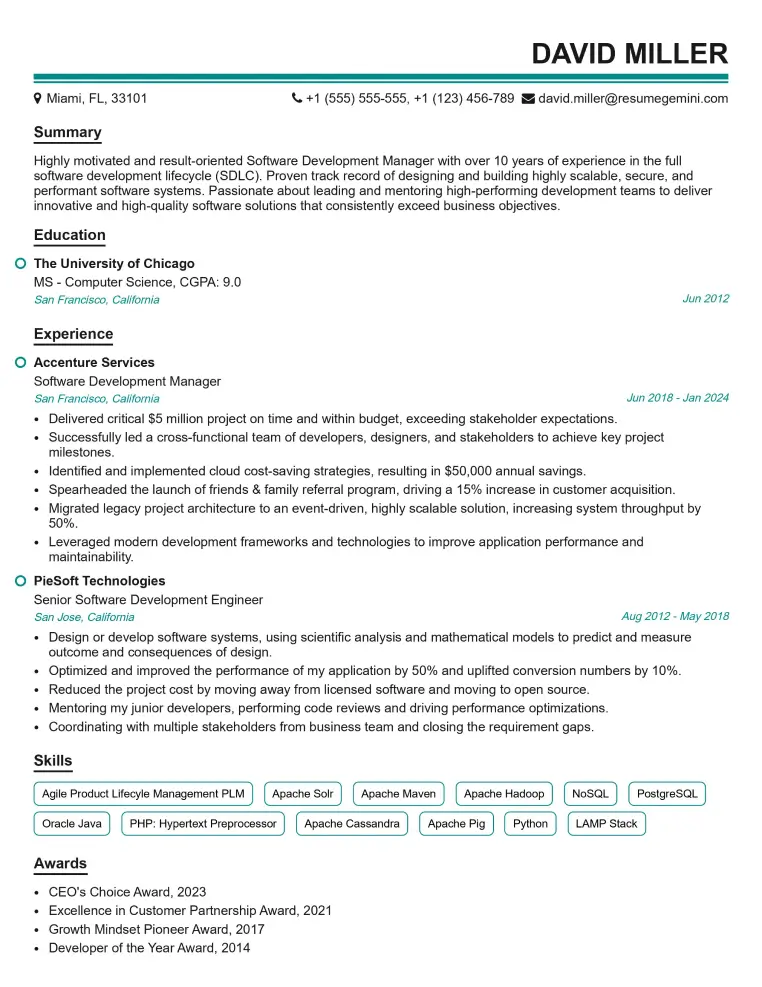
Elevate your job search with our premium resume templates. Here is an amazing resume template that can be used to build a professional and elegant resume. You can build a resume from scratch or revamp your existing resume. Impress hiring managers and secure your next opportunity.
- Top 50 Most Common Interview Questions
- The Psychology of a Great Resume: Hacks to Impress Recruiters
- What Mistakes to Avoid When Writing a Resume: A Comprehensive Guide
- Elevate Your Career with Expert Resume Building: Introducing ResumeGemini
- How to Write a Resume Using Google Gemini: Step-by-Step Guide