





Mid-career professionals, it’s time to embrace the future with a resume that showcases your unparalleled experience, skills, and aspirations. In 2026, job seekers face a competitive landscape, and your resume is the key to unlocking the next big chapter in your career journey. Here are five killer strategies to revamp your resume and stand out from the crowd.
The Mid-Career Refresh: Revamping Your Resume for a New Era
Your resume is more than just a chronological listing of your work history. It’s a powerful marketing tool that should effectively communicate your value to potential employers. As a mid-career professional, you have a wealth of experience and accomplishments to draw upon. It’s time to refresh your resume to reflect the new era of work, highlighting your adaptability, resilience, and digital fluency.
- Assess your current resume: Take a step back and evaluate your existing resume. Identify areas where it could be strengthened, such as outdated language, lack of quantifiable results, or a weak value proposition.
- Research industry trends: Explore job postings and industry articles to understand what employers are looking for in mid-career candidates. Tailor your resume to meet the specific requirements of your target roles.
Unleash Your Potential: Showcasing Your Skills for Maximum Impact
Your skills are the foundation of your professional identity. On your resume, showcase your skills in a way that emphasizes their relevance to the jobs you’re applying for. Use action verbs and specific examples to demonstrate your proficiency.
- Identify transferable skills: Highlight skills that are applicable across industries and roles, such as problem-solving, communication, and leadership.
- Quantify your accomplishments: Use metrics to demonstrate the impact of your work. For example, instead of simply stating “Managed a team,” quantify it as “Led a team of 10 engineers, resulting in a 20% increase in productivity.”
Crafting a Compelling Narrative: Storytelling in Resume Writing
Your resume is not just a list of facts; it’s a story about your career journey. Use storytelling techniques to create a narrative that captures the reader’s attention and showcases your unique value.
- Use anecdotes: Share brief stories that highlight your skills and accomplishments in a memorable way.
- Connect the dots: Explain how your previous experiences have prepared you for the role you’re applying for. Show the progression of your skills and responsibilities.
- Tailor your resume: Customize your resume for each job you apply for, highlighting the experiences and skills that are most relevant to the position.
Highlighting Your Value: Quantifying Your Contributions
Employers want to know what you can do for them. Quantify your contributions to demonstrate the value you bring to an organization. Use numbers, metrics, and percentages to showcase your impact.
- Use specific numbers: Instead of saying “Increased sales,” state “Increased sales by 15% in the first quarter.”
- Highlight measurable results: Quantify your accomplishments using concrete metrics. For example, “Reduced customer churn rate by 10%.”
The Art of Networking: Leveraging LinkedIn for Career Success
LinkedIn is a powerful platform for mid-career professionals to connect with potential employers and expand their network. Optimize your LinkedIn profile and use it strategically to showcase your skills and experience.
- Create a professional profile: Use a professional headshot, write a compelling summary, and highlight your relevant skills and experience.
- Join relevant groups: Engage with industry professionals by joining LinkedIn groups related to your field.
- Share valuable content: Post articles, share insights, and participate in discussions to establish yourself as a thought leader.
By implementing these five killer strategies, you can revamp your resume to stand out in 2026 and increase your chances of landing your next big job. Remember, your resume is a reflection of your professional journey. It’s not just a list of your skills and experience; it’s a powerful tool that can help you achieve your career goals. So take the time to craft a resume that showcases your unique value and propels you towards the next chapter of your career.
With ResumeGemini, you can create a professional resume that highlights your strengths and makes a lasting impression on potential employers. Our user-friendly platform offers a variety of templates, resume examples, and writing tips to help you create a resume that stands out from the crowd. Start your job search today with a resume that reflects your experience, skills, and aspirations.
Career Expert Tips:
- Select the ideal resume template to showcase your professional experience effectively.
- Master the art of resume writing to highlight your unique qualifications and achievements.
- Checkout the resume writing tips for guidance and best practices.
- Make your 2025 brighter with a new job. Build a powerful resume with ResumeGemini and save big, enjoy exclusive discounts on premium templates.
Frequently Asked Questions (FAQ’s)
How do I write a resume that reflects my mid-career experience?
Crafting a resume that effectively captures your mid-career experience requires a strategic approach:
- Quantify your accomplishments: Use numbers and metrics to demonstrate the impact of your contributions. For instance, instead of stating “Managed a team,” quantify it as “Led a team of 10 engineers, resulting in a 25% increase in project efficiency.”
- Highlight transferable skills: Focus on transferable skills that are relevant to your target roles, even if they were gained in different industries or job functions.
- Use strong action verbs: Employ powerful action verbs that convey your leadership, problem-solving, and communication abilities. Avoid passive language and use specific examples to showcase your expertise.
What are the key skills and qualifications that employers are looking for in mid-career professionals?
Employers seeking mid-career professionals often value the following skills and qualifications:
- Leadership and management: Proven experience in leading teams, managing projects, and mentoring junior staff.
- Strategic thinking and business acumen: A deep understanding of the industry and business landscape, with the ability to develop and execute strategic plans.
- Communication and interpersonal skills: Excellent written and verbal communication skills, along with the ability to build strong relationships and influence stakeholders.
- Technical expertise: Proficiency in industry-specific software, tools, and technologies. As technology evolves rapidly, it is crucial to stay up-to-date with the latest advancements.
How do I quantify my accomplishments on a resume?
Quantifying your accomplishments on a resume makes your experience more tangible and impressive to potential employers. Consider the following strategies:
- Use specific numbers: State the exact results you achieved, such as “Increased sales by 15%,” or “Reduced operational costs by $50,000.”
- Use percentages: Express your accomplishments as a percentage of improvement or change, such as “Improved customer satisfaction by 20%,” or “Reduced employee turnover by 10%.”
- Use comparative language: Compare your results to industry benchmarks or previous performance levels, such as “Exceeded sales targets by 25% compared to the industry average,” or “Improved efficiency by 15% over the previous quarter.”
What are the best ways to highlight my leadership experience?
To effectively highlight your leadership experience on a resume:
- Use action verbs: Begin your bullet points with strong action verbs that convey your leadership responsibilities, such as “Led,” “Managed,” “Directed,” or “Coordinated.”
- Quantify your accomplishments: If possible, quantify the results of your leadership efforts using specific numbers or metrics. For example, “Led a team of 10 engineers, resulting in a 25% increase in project efficiency.”
- Use specific examples: Provide concrete examples of projects or initiatives where you successfully demonstrated your leadership skills. Be specific about your role and the outcomes achieved.
How do I network effectively as a mid-career professional?
Networking is crucial for mid-career professionals to expand their professional circles and uncover hidden job opportunities. Here are some effective strategies:
- Attend industry events: Conferences, seminars, and workshops provide excellent opportunities to connect with professionals in your field and learn about industry trends.
- Join professional organizations: Becoming a member of professional organizations related to your industry or job function can provide access to networking events, online forums, and career resources.
- Leverage social media: Use LinkedIn and other professional social media platforms to connect with potential employers, recruiters, and industry experts.
What are the common challenges faced by mid-career professionals?
Mid-career professionals may encounter various challenges, including:
- Ageism: Ageism refers to discrimination based on age and can impact job opportunities for mid-career professionals.
- Keeping up with technological advancements: Technology is constantly evolving, and it’s essential to stay up-to-date with the latest industry trends and tools.
- Re-entering the workforce after a career break: Taking time off for family or personal reasons can create a gap in employment history, which may require additional effort to explain and overcome.
How can I overcome ageism in the job market?
Overcoming ageism in the job market requires a proactive approach:
- Emphasize transferable skills: Focus on transferable skills that are valued in your target roles, regardless of your age. Highlight your adaptability, problem-solving abilities, and leadership experience.
- Address the issue directly: In your cover letter or during an interview, acknowledge your age and explain how your experience and skills make you a valuable asset to the organization.
- Network with younger professionals: Building relationships with younger professionals can help you stay up-to-date with industry trends and gain insights into new technologies.
What are the best resources for mid-career professionals?
Numerous resources are available to support mid-career professionals, including:
- Professional development courses: Enrolling in professional development courses can enhance your skills and knowledge, making you more competitive in the job market.
- Career counseling services: Career counselors can provide guidance on career transitions, resume writing, and job search strategies.
- Online job boards: Websites like LinkedIn, Indeed, and Glassdoor offer job listings specifically tailored to mid-career professionals.
- ResumeGemini: Our resume builder offers tailored templates and expert writing tips designed to help mid-career professionals create standout resumes that land interviews.
Next Step:
Now that you have a better understanding of how to revamp your resume and navigate the job market as a mid-career professional, it’s time to take action. Head over to ResumeGemini and create a professional resume that will help you land that dream job. With our user-friendly platform and expert content examples, you can craft a resume that effectively showcases your skills, experience, and value to potential employers. Don’t miss out on the opportunity to elevate your career and secure your next big job. Start building your winning resume today!
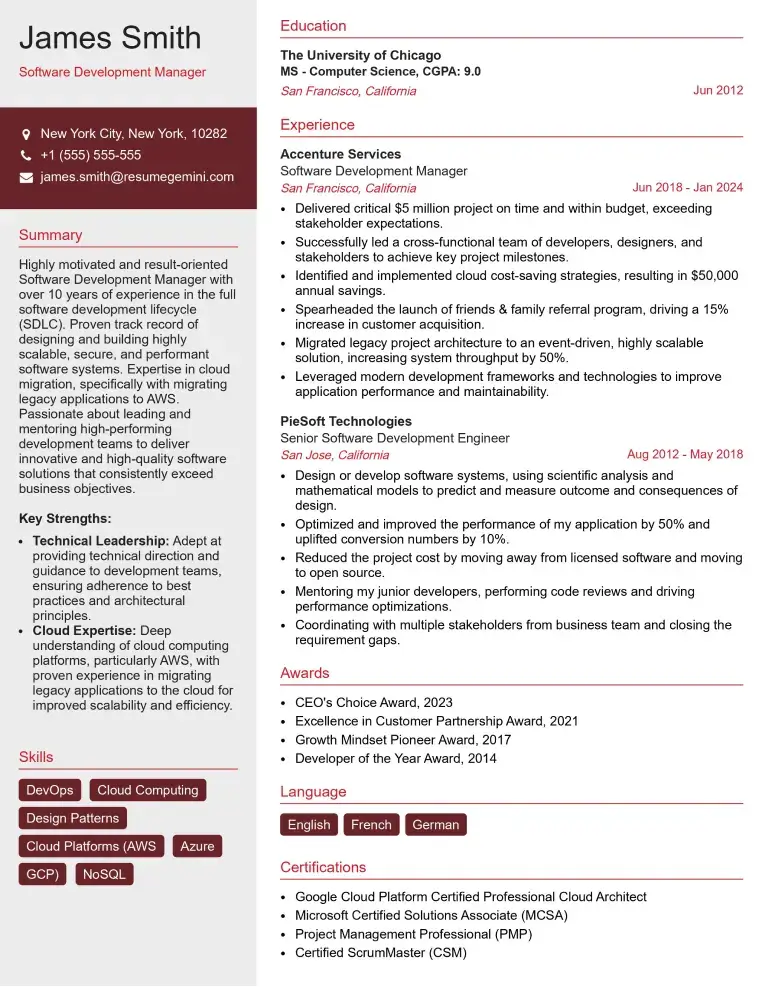
Elevate your job search with our premium resume templates. Here is an amazing resume template that can be used to build a professional and elegant resume. You can build a resume from scratch or revamp your existing resume. Impress hiring managers and secure your next opportunity.
- Top 50 Most Common Interview Questions
- The Psychology of a Great Resume: Hacks to Impress Recruiters
- What Mistakes to Avoid When Writing a Resume: A Comprehensive Guide
- Elevate Your Career with Expert Resume Building: Introducing ResumeGemini
- Crafting Your First Impression: How To Make Free Resume Online For Freshers