





“Tell me about a time you had to overcome a challenge.”
Imagine yourself in an interview room, facing the dreaded behavioral interview question. Your mind races, trying to recall a suitable anecdote that showcases your skills and experience while aligning with the job description. If this scenario fills you with anxiety, fear not! With the right preparation and a few foolproof tips, you can ace your next behavioral interview and leave a lasting impression on potential employers.
Understanding the Purpose and Importance of Behavioral Interview Questions
Behavioral interview questions are designed to assess your past behaviors and experiences to predict your future performance in the role. By asking you to recall specific situations, interviewers gain insights into your problem-solving abilities, teamwork skills, and communication style. Answering these questions effectively not only demonstrates your qualifications but also highlights your potential value to the organization.
The STAR Method: A Step-by-Step Guide to Answering Behavioral Questions
The STAR method is a structured approach to answering behavioral interview questions. It involves four key elements:
Describe the context of the situation, including the time, place, and relevant background information.
Explain the specific task or challenge you were responsible for handling.
Outline the steps you took to address the situation, highlighting your skills and abilities.
Describe the positive outcomes or impact of your actions, quantifying results whenever possible.
Common Behavioral Interview Questions and Sample Responses
To prepare effectively, familiarize yourself with common behavioral interview questions. Here are a few examples:
- Tell me about a time you faced a conflict with a colleague or customer.
- Give me an example of a time you exceeded expectations in a previous role.
- Describe a situation where you had to make a difficult decision.
How to Highlight Your Transferable Skills and Abilities
Behavioral interview questions also provide an opportunity to showcase transferable skills and abilities. These are skills that can be applied across different roles and industries, such as problem-solving, communication, and teamwork.
- Identify transferable skills relevant to the job description.
- Provide specific examples of how you applied these skills in past experiences.
- Quantify your accomplishments to demonstrate the impact of your actions.
Preparing for Behavioral Interview Questions: Essential Tips
To prepare thoroughly for behavioral interview questions, consider these essential tips:
Understanding the company culture and the specific requirements of the position will help you tailor your answers accordingly.
Rehearse your responses to common behavioral interview questions using the STAR method. Seek feedback from friends, family, or a mentor to refine your delivery.
While it’s important to prepare, avoid scripted responses. Focus on providing genuine and specific examples that showcase your real experiences and abilities.
Remember, behavioral interview questions are not just about regurgitating past experiences. They are an opportunity to demonstrate your skills, abilities, and potential value to the organization. By preparing effectively and utilizing the tips outlined in this blog, you can confidently articulate your experiences and leave a lasting impression on potential employers.
For additional support in crafting a stellar resume and preparing for your job search journey, be sure to visit ResumeGemini, your trusted resource for all things resume-related.
Career Expert Tips:
- Select the ideal resume template to showcase your professional experience effectively.
- Master the art of resume writing to highlight your unique qualifications and achievements.
- Checkout the resume writing tips for guidance and best practices.
- Make your 2025 brighter with a new job. Build a powerful resume with ResumeGemini and save big, enjoy exclusive discounts on premium templates.
Frequently Asked Questions (FAQ’s) on Behavioral Interview Questions
What are the most common types of behavioral interview questions?
Behavioral interview questions are designed to assess your past experiences and behaviors in specific situations. These questions are commonly used in job interviews to gain insights about your problem-solving abilities, teamwork skills, and overall approach to work. The most common types of behavioral interview questions include:
- Tell me about a time when you faced a challenge and how you overcame it.
- Describe a situation where you had to work effectively in a team.
- Give an example of a time when you had to adapt to change.
- Share an experience where you successfully resolved a conflict.
- Tell me about a time when you failed and what you learned from it.
How can I prepare for behavioral interview questions even if I don’t have direct experience?
Even if you don’t have direct experience in a specific area that an interviewer asks about, you can still prepare by reflecting on similar experiences from different contexts. For instance, if you’re asked about a time you resolved a conflict, you could draw upon experiences from your personal life, volunteer work, or academic projects. The key is to identify transferable skills and behaviors that are relevant to the job you’re applying for.
How do I avoid rambling or going off-topic when answering behavioral questions?
To avoid rambling or going off-topic, follow these tips:
- Use the STAR method: Situation, Task, Action, Result. This structured approach helps you organize your answer and stay focused on the key elements.
- Be concise: Keep your answers brief and to the point. Aim to answer the question within 2-3 minutes.
- Practice: The more you practice answering behavioral questions, the more confident and concise you will become.
What are the key elements of a strong behavioral interview answer?
A strong behavioral interview answer should include the following key elements:
- A specific example: Don’t generalize your experiences. Instead, provide a specific example that clearly demonstrates the skill or behavior being asked about.
- Details: Include enough details to paint a clear picture of the situation and your actions.
- Quantify your results: If possible, quantify the results of your actions to demonstrate the impact you made.
- Lessons learned: Conclude your answer by reflecting on what you learned from the experience and how it has helped you grow professionally.
How can I practice answering behavioral interview questions?
There are several ways to practice answering behavioral interview questions:
- Use online resources: Websites like Glassdoor and MyInterviewPractice offer practice questions and feedback.
- Ask a friend or family member: Practice answering questions with someone you trust. They can provide feedback on your organization and delivery.
- Join a mock interview group: These groups provide a structured environment to practice with others.
What are some common pitfalls to avoid when answering behavioral questions?
Some common pitfalls to avoid include:
- Generalizing your experiences: Don’t use vague or generic answers.
- Rambling: Keep your answers concise and to the point.
- Going off-topic: Stay focused on the question being asked.
- Negativity: Avoid dwelling on negative experiences or blaming others.
- Lack of preparation: Take the time to prepare and practice your answers.
How can I tailor my behavioral interview answers to the specific job I’m applying for?
To tailor your behavioral interview answers to the specific job you’re applying for, do the following:
- Research the company and the role: Understand the company’s culture, values, and the specific requirements of the job you’re applying for.
- Identify relevant skills and experiences: Match your skills and experiences to the key requirements of the job. Highlight examples that demonstrate your ability to meet the specific needs of the role.
- Showcase transferable skills: If you don’t have direct experience in a specific area, emphasize transferable skills that are relevant to the job, such as problem-solving, communication, or teamwork.
Next Step: Ace Your Interview with Confidence
Now that you’re equipped with these tips, you can confidently prepare for and answer behavioral interview questions. Remember to use the STAR method, practice your answers, and tailor them to the specific job you’re applying for. By demonstrating your skills and experiences in a clear and concise way, you’ll leave a lasting impression on potential employers and increase your chances of interview success.
To further enhance your job search journey, consider using ResumeGemini. Our resume builder offers a user-friendly interface, professionally designed templates, and tailored resume samples for various job roles. Whether you’re a seasoned professional or a fresh graduate, ResumeGemini can help you create a resume that showcases your skills, experiences, and career aspirations.
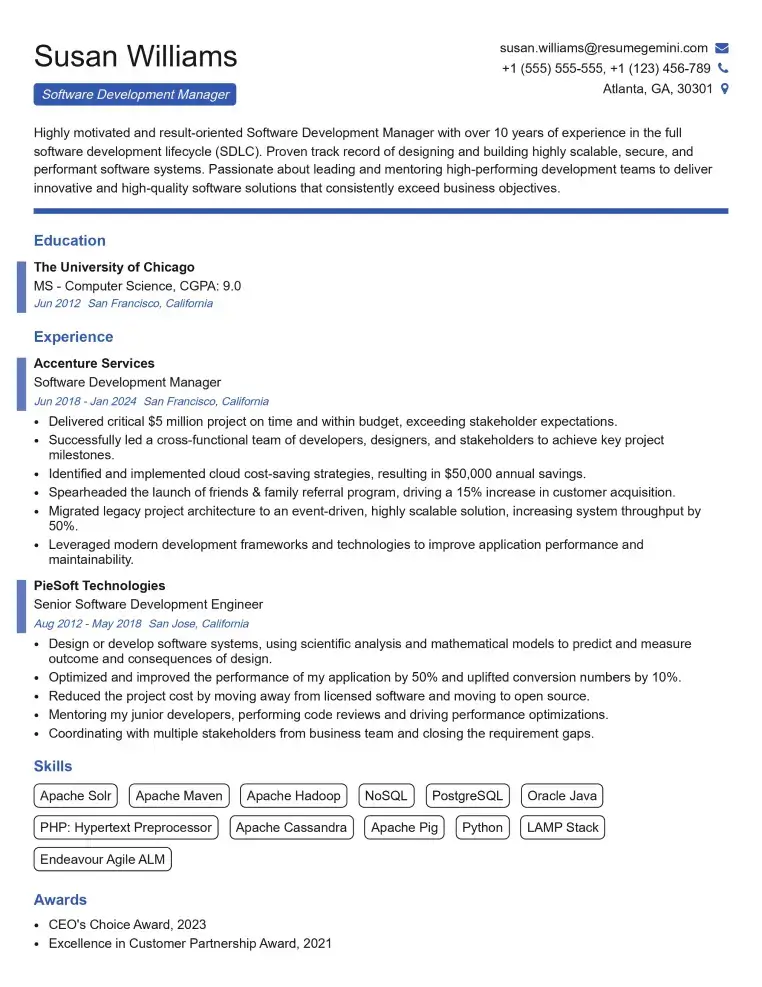
Elevate your job search with our premium resume templates. Here is an amazing resume template that can be used to build a professional and elegant resume. You can build a resume from scratch or revamp your existing resume. Impress hiring managers and secure your next opportunity.
- Top 50 Most Common Interview Questions
- The Psychology of a Great Resume: Hacks to Impress Recruiters
- What Mistakes to Avoid When Writing a Resume: A Comprehensive Guide
- Elevate Your Career with Expert Resume Building: Introducing ResumeGemini
- How to Write a Resume Using Google Gemini: Step-by-Step Guide