





Your resume may get you past the initial screening process, but it’s your cover letter that truly sets you apart and lands you the interview. A well-crafted cover letter highlights your most relevant skills, quantifies your accomplishments, and demonstrates your passion for the position. Here are six cover letter writing hacks to impress recruiters and take your job search to the next level:
Craft a Compelling Opening
The opening paragraph of your cover letter is crucial. It’s your chance to grab the reader’s attention and make them want to learn more about you. Start with a strong hook, such as an interesting anecdote, a relevant statistic, or a personal story that highlights your skills. Avoid generic phrases like “I am writing to express my interest in the position of…” or “I am a recent graduate with a degree in…” Instead, personalize your opening to the specific position and company you’re applying for.
Highlight Your Most Relevant Skills
Your cover letter should be tailored to each job you apply for. Take the time to read the job description carefully and identify the key skills and qualifications that the employer is looking for. Then, highlight your most relevant skills in your cover letter, using specific examples to demonstrate how you have applied them in your previous roles.
Quantify Your Accomplishments
Don’t just list your accomplishments in your cover letter; quantify them whenever possible. Use numbers to show the impact of your work. For example, instead of saying “I managed a team of software engineers,” you could say “I managed a team of software engineers and led them to develop and launch a new product that increased sales by 20%.”
Use Strong Action Verbs
Your cover letter should be written in a clear and concise style. Use strong action verbs to make your writing more impactful. For example, instead of saying “I was responsible for developing new marketing strategies,” you could say “I developed and implemented new marketing strategies that increased website traffic by 30%.”
Tailor to the Company
Take the time to research the company you’re applying for and tailor your cover letter accordingly. Learn about the company’s culture, values, and recent news. This will help you write a cover letter that is relevant and engaging. In your cover letter, explain why you’re interested in working for the company and how your skills and experience can benefit them.
Proofread Carefully
Before you submit your cover letter, take the time to proofread it carefully. Check for any errors in grammar, spelling, or punctuation. You can also ask a friend or family member to review your cover letter and provide feedback. A well-polished cover letter will make a great impression on recruiters and increase your chances of getting an interview.
Conclusion:
Writing a cover letter that impresses recruiters is essential for landing the job you want. By following these six tips, you can write a cover letter that will get you noticed and land you the interview.
Need help creating a winning resume and cover letter? Check out ResumeGemini. We offer a range of customizable resume templates and cover letter examples to help you make a great first impression.
Career Expert Tips:
- Select the ideal resume template to showcase your professional experience effectively.
- Master the art of resume writing to highlight your unique qualifications and achievements.
- Checkout the resume writing tips for guidance and best practices.
- Make your 2025 brighter with a new job. Build a powerful resume with ResumeGemini and save big, enjoy exclusive discounts on premium templates.
Frequently Asked Questions (FAQ’s)
How to write a cover letter that makes a lasting impression?
A compelling cover letter is a key to grabbing the attention of recruiters and landing an interview. Follow these tips to craft an effective cover letter that showcases your skills and qualifications:
- Capture attention with a strong opening: Start with a captivating hook that piques the recruiter’s interest, highlighting a relevant achievement or skill that aligns with the job requirements.
- Tailor to each job application: Research the company and specific role to understand their culture, values, and needs. Tailor your cover letter accordingly, emphasizing how your experiences and skills match the position.
- Demonstrate your value and impact: Quantify your accomplishments and provide concrete examples of how you made a positive impact in previous roles. Use action verbs and specific metrics to showcase your results.
- Use keywords effectively: Incorporate relevant keywords from the job description into your cover letter. This helps your application get noticed by applicant tracking systems (ATS) and improves visibility in search results.
- Proofread carefully: Ensure your cover letter is free of errors in grammar, spelling, and punctuation. A polished and professional presentation reflects attention to detail and pride in your work.
What are the essential elements of a successful cover letter?
A successful cover letter typically includes the following elements:
- Contact information: Include your name, address, phone number, and email address in the header.
- Date: Write the date you are sending the cover letter.
- Salutation: Address the hiring manager by name if possible. If unknown, use a generic salutation like “Dear Hiring Manager.”
- Introduction: State the position you are applying for and briefly explain how you learned about the opportunity.
- Body paragraphs: Highlight your most relevant skills and experiences, providing specific examples and quantifying your accomplishments.
- Closing paragraph: Express your enthusiasm for the position and the company. State your interest in an interview and indicate your availability.
- Signature: End with a professional closing, such as “Sincerely” or “Best regards,” followed by your handwritten or typed signature (if submitting a physical copy).
How to highlight skills and experience that employers are looking for?
To highlight skills and experience that employers are seeking:
- Review the job description: Carefully analyze the job description to identify the specific skills, qualifications, and experience required for the role.
- Match your skills to the job requirements: Map your skills and experience to the requirements listed in the job description, selecting the most relevant ones to showcase.
- Use keywords: Incorporate keywords from the job description into your cover letter, highlighting how your skills and experience align with the position.
- Provide concrete examples: Use specific examples and quantifiable results to demonstrate your skills and experience in action.
- Quantify your accomplishments: Whenever possible, use numbers and metrics to quantify your accomplishments, making them more impactful and tangible.
Should I use a cover letter template or write my own?
Whether to use a cover letter template or write your own depends on individual preferences and circumstances:
- Templates provide a framework: Cover letter templates offer a structured framework, making it easy to organize your content and follow industry-standard formatting.
- Customization is key: While templates provide a starting point, it’s essential to customize your cover letter to tailor it to each job application and highlight your unique skills and experience.
- Showcase your creativity: Writing your own cover letter from scratch allows you to express your creativity and individuality, differentiating yourself from other candidates.
- Consider your time constraints: If you are short on time, using a template can save you time while still creating a professional-looking cover letter.
What’s the best way to format my cover letter to make it visually appealing?
To enhance the visual appeal of your cover letter:
- Use a clean and professional font: Choose a font that is easy to read and visually appealing, such as Arial, Calibri, or Times New Roman.
- Maintain consistent formatting: Use consistent font size, line spacing, and margins throughout your cover letter to create a cohesive and professional look.
- Highlight key information: Use bold or italics to emphasize important information, such as your name, contact details, and key skills.
- Use white space effectively: Leave sufficient white space around the text to improve readability and make your cover letter more visually appealing.
- Keep it concise: Aim for a cover letter of no more than one page, using concise language and avoiding unnecessary details.
How to use keywords effectively to improve my cover letter’s ranking in searches?
To optimize your cover letter for search results:
- Identify relevant keywords: Analyze the job description and industry trends to identify relevant keywords that potential employers are likely to search for.
- Incorporate keywords naturally: Integrate keywords into your cover letter seamlessly, avoiding keyword stuffing or unnatural language.
- Use keywords in headings and subheadings: Incorporating keywords into headings and subheadings helps search engines understand the structure and content of your cover letter.
- Optimize your file name: When saving your cover letter as a PDF or Word document, use a file name that includes relevant keywords, such as “Jane_Doe_Cover_Letter_Marketing_Manager.”
What are common mistakes to avoid when writing a cover letter?
To avoid common pitfalls in cover letter writing:
- Generic and unoriginal: Avoid using generic language and clichés that do not highlight your unique skills and experience.
- Lack of focus: Stay focused on the specific job you are applying for and tailor your cover letter accordingly. Avoid rambling or including irrelevant information.
- Typos and grammatical errors: Proofread your cover letter carefully to eliminate any typos, grammatical errors, or formatting issues.
- Exaggerating or fabricating: Be honest and accurate in your cover letter, avoiding any exaggeration or fabrication of your skills or experience.
- Too long or too short: Aim for a concise and impactful cover letter, typically around 250-400 words in length. Avoid writing a cover letter that is too long or too short.
How to tailor my cover letter to different job applications?
To effectively tailor your cover letter to different job applications:
- Research the company and industry: Familiarize yourself with the company’s culture, values, and industry trends to understand their specific needs and expectations.
- Analyze the job description: Carefully review the job description to identify the key requirements and responsibilities for the role.
- Highlight relevant skills and experience: Match your skills and experience to the specific requirements of the job, emphasizing those that are most relevant to the position.
- Customize the introduction and closing: Tailor the introduction and closing paragraphs of your cover letter to each specific job application, addressing the hiring manager by name and expressing your interest in the particular
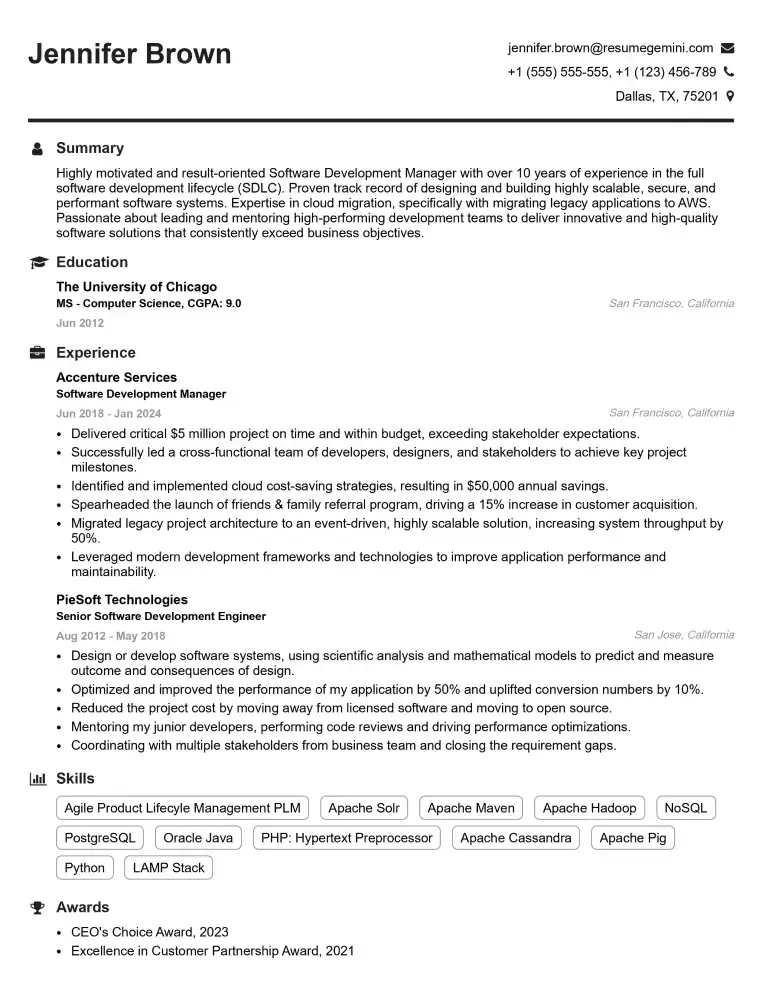
Elevate your job search with our premium resume templates. Here is an amazing resume template that can be used to build a professional and elegant resume. You can build a resume from scratch or revamp your existing resume. Impress hiring managers and secure your next opportunity.
- Top 50 Most Common Interview Questions
- The Psychology of a Great Resume: Hacks to Impress Recruiters
- What Mistakes to Avoid When Writing a Resume: A Comprehensive Guide
- Elevate Your Career with Expert Resume Building: Introducing ResumeGemini
- How to Write a Resume Using Google Gemini: Step-by-Step Guide