





Are you contemplating a career switch in 2026? You are not alone. In fact, according to a recent study by LinkedIn, over 50% of professionals have made a career switch at least once in their lifetime. If you are considering making a change, it is imperative that you develop a compelling resume that showcases your transferable skills and experience. In this blog post, we will provide 6 essential resume tips for career switchers in 2026.
Highlighting Transferable Skills and Experience
When transitioning to a new career, it is crucial to identify and highlight your transferable skills and experience. These are the skills and abilities that can be applied to a variety of roles, regardless of industry or job title. Some common transferable skills include:
- Communication
- Problem-solving
- Critical thinking
- Teamwork
- Leadership
Creating a Resume that Demonstrates Your Adaptability
As a career switcher, it is essential to demonstrate your adaptability and willingness to learn new things. Your resume should show potential employers that you are capable of quickly learning new skills and adapting to new environments. One way to do this is to include examples of times when you have successfully learned new skills or taken on new challenges. For instance, you might mention a time when you taught yourself a new software program or when you took on a new project that was outside of your comfort zone. Additionally, you can use your resume to highlight your soft skills, such as your communication, problem-solving, and teamwork skills.
Tailoring Your Resume to Different Industries
When applying for jobs in different industries, it is important to tailor your resume to each specific industry. This means highlighting the skills and experience that are most relevant to the job you are applying for. For example, if you are applying for a job in the marketing industry, you should highlight your marketing skills and experience. If you are applying for a job in the finance industry, you should highlight your financial skills and experience. To tailor your resume to different industries, you can use the following tips:
- Research the industry and identify the skills and experience that are most in demand.
- Use keywords from the job description in your resume.
- Highlight your transferable skills and experience that are relevant to the industry.
Showcasing Your Passion and Motivation for Your New Career
Your resume should not only showcase your skills and experience, but it should also showcase your passion and motivation for your new career. Employers want to know why you are interested in the job you are applying for and why you are the right person for the job. In your resume summary or cover letter, take the time to explain your career goals and why you are excited about the opportunity to work in your new field. You can also use your resume to highlight your volunteer experience or any other activities that demonstrate your passion for your new career.
Overcoming Common Challenges Faced by Career Switchers
Career switchers often face a number of common challenges, such as:
- Lack of experience in the new field.
- Ageism.
- Competition from younger candidates.
- Network with people in your new field.
- Get involved in volunteer activities.
- Take online courses or workshops to learn new skills.
- Be persistent in your job search.
Conclusion
Making a career switch can be a daunting task, but it is certainly possible. By following the tips in this blog post, you can increase your chances of success. Remember to highlight your transferable skills and experience, demonstrate your adaptability, tailor your resume to different industries, showcase your passion and motivation for your new career, and be prepared to overcome any challenges that you may face. With hard work and dedication, you can achieve your career goals.
If you are looking for a professional resume builder to help you create a compelling resume, we recommend ResumeGemini. ResumeGemini offers a variety of resume templates and tools to help you create a resume that will stand out from the competition.
Career Expert Tips:
- Select the ideal resume template to showcase your professional experience effectively.
- Master the art of resume writing to highlight your unique qualifications and achievements.
- Checkout the resume writing tips for guidance and best practices.
- Make your 2025 brighter with a new job. Build a powerful resume with ResumeGemini and save big, enjoy exclusive discounts on premium templates.
Frequently Asked Questions (FAQ’s)
How do I effectively convey my transferable skills on my resume?
Identify and highlight relevant skills: Carefully analyze the requirements of your target roles and identify the transferable skills you possess that align with those requirements. Showcase these skills prominently in your resume summary, skills section, and work experience descriptions. Use specific examples and quantify results: Provide concrete examples of how you applied these transferable skills in your previous roles. Quantify your accomplishments whenever possible to demonstrate the impact of your contributions. Tailor your resume to each job application: Customize your resume to highlight the skills and experiences most relevant to the specific job you are applying for. Use keywords from the job description throughout your resume, including in your summary and skills section. Consider a skills-based resume format: If your transferable skills are particularly strong, you may consider using a skills-based resume format. This format allows you to organize your resume by skill category, making it easier for employers to identify your relevant qualifications.
What are the best ways to demonstrate adaptability in a resume?
Highlight your ability to learn new skills quickly: Showcase your willingness and ability to embrace new challenges and acquire new skills. Mention any instances where you quickly adapted to new technologies, processes, or environments. Emphasize your problem-solving abilities: Provide examples of how you have successfully identified and solved problems in your previous roles. This demonstrates your ability to analyze situations, think critically, and develop creative solutions. Showcase your flexibility and teamwork: Highlight your ability to work effectively in different environments and with diverse teams. Mention any experiences where you successfully collaborated with colleagues from different backgrounds or adjusted to changing team dynamics. Consider using the “Adaptability” subheading: If you have a particularly strong track record of adaptability, consider creating a separate “Adaptability” subheading in your skills section or work experience section. This will draw attention to this important trait.
How can I tailor my resume to different industries without any prior experience?
Research the industry and target roles: Thoroughly research the industry you are interested in and identify the key skills, experiences, and qualifications required for the target roles. Identify transferable skills: Analyze your previous work experience and identify the transferable skills that are applicable to the new industry. Highlight these skills in your resume summary and skills section. Seek relevant training or certifications: Consider obtaining industry-specific training or certifications to demonstrate your commitment to the new field. This can help you bridge any knowledge or experience gaps. Network with professionals in the industry: Attend industry events, connect with professionals on LinkedIn, and reach out to individuals who work in the roles you are targeting. Networking can provide valuable insights and potential job leads. Use industry-specific keywords: Incorporate relevant industry-specific keywords and phrases throughout your resume. This will help your resume pass through applicant tracking systems (ATS) and reach the hiring manager.
How do I show employers my passion for my new career?
Highlight your motivations in your resume summary: Briefly explain your reasons for pursuing a career change and emphasize your genuine interest in the new field. Provide examples of your enthusiasm: Mention any relevant volunteer experiences, personal projects, or coursework that demonstrate your passion for the new career path. Use industry-specific language: Use terminology and keywords specific to the industry you are targeting. This shows that you have taken the time to learn about the field and are genuinely interested in working in it. Consider including a cover letter: A well-written cover letter is an excellent opportunity to express your passion for the new career and explain why you are the ideal candidate for the role.
What are some common challenges faced by career switchers, and how can I address them?
Lack of industry experience: Address this by highlighting your transferable skills and demonstrating your willingness to learn and adapt. Emphasize your adaptability, problem-solving abilities, and eagerness to embrace new challenges. Perceived overqualification or underqualification: If you are perceived as overqualified, focus on your transferable skills and adaptability. If you are perceived as underqualified, emphasize your enthusiasm, willingness to learn, and any relevant training or certifications you have obtained. Ageism or bias: Unfortunately, ageism and bias can sometimes be factors in career switching. Address this by emphasizing your skills, experience, and adaptability. Focus on your value as a candidate, regardless of your age or background. Financial concerns: Career switching can sometimes involve a salary reduction or financial sacrifices. Be prepared to discuss your financial situation and explain your reasons for making a career change.
How can I effectively convey my transferable skills on my resume?
Research transferable skills: Identify the skills and experiences you have that are relevant to your target roles, even if they are not directly related to your previous industry. Use strong action verbs: When describing your transferable skills, use strong action verbs that convey your proficiency and impact. For example, instead of saying “Managed projects,” say “Successfully led cross-functional teams in delivering high-impact projects.” Provide specific examples: Support your claims with specific examples and quantifiable results whenever possible. This will help employers understand the scope and impact of your transferable skills. Tailor your resume to each job application: Customize your resume to highlight the transferable skills that are most relevant to the specific job you are applying for. Use keywords from the job description throughout your resume, including in your summary and skills section.
Next Step:
If you are looking to make a career switch, it is essential to craft a powerful resume that effectively showcases your transferable skills, adaptability, and passion for your new career path. Consider using a resume builder like ResumeGemini to create a professional and ATS-friendly resume that will help you stand out from the competition.
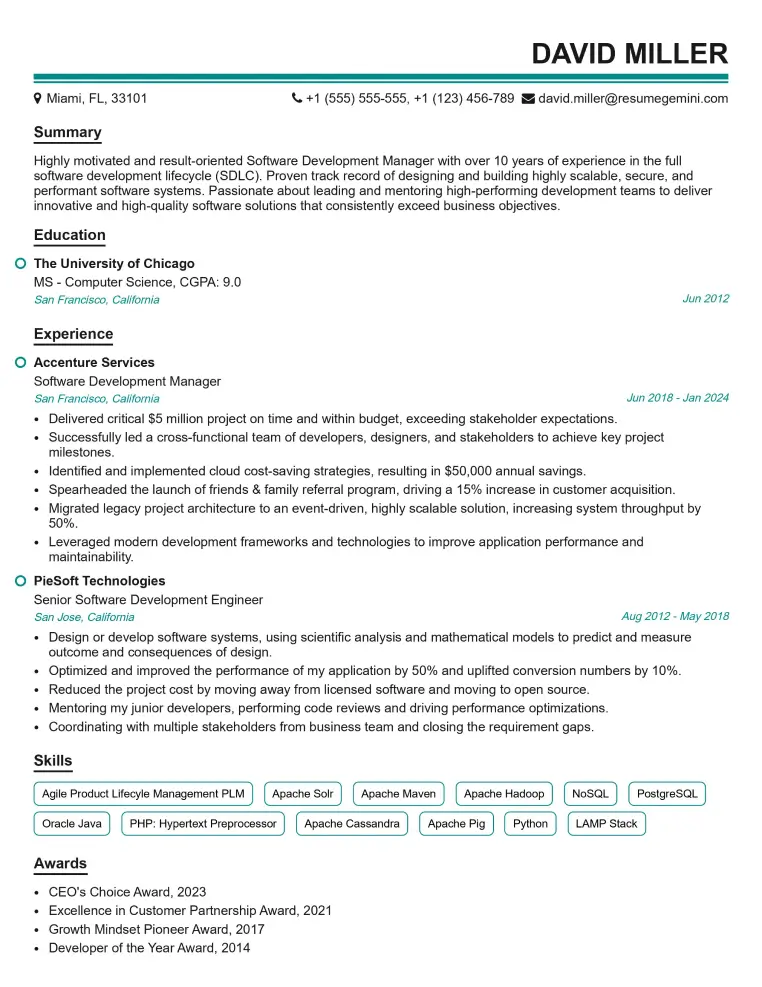
Elevate your job search with our premium resume templates. Here is an amazing resume template that can be used to build a professional and elegant resume. You can build a resume from scratch or revamp your existing resume. Impress hiring managers and secure your next opportunity.
- Top 50 Most Common Interview Questions
- The Psychology of a Great Resume: Hacks to Impress Recruiters
- What Mistakes to Avoid When Writing a Resume: A Comprehensive Guide
- Elevate Your Career with Expert Resume Building: Introducing ResumeGemini
- How to Write a Resume Using Google Gemini: Step-by-Step Guide