





Embarking on a career change can be both exhilarating and daunting. To navigate the job market with confidence, it’s crucial to transform your resume into a powerful tool that effectively communicates your skills and experience, showcasing your readiness for your new career path.
Highlight Transferable Skills and Relevant Experience
Identify the skills and knowledge you’ve acquired in your previous roles that are transferable to your desired field. Highlight these skills prominently in your resume, demonstrating how they align with the requirements of your target positions. For instance, if you’re transitioning from a marketing role to a project management role, emphasize your experience in project planning, stakeholder management, and communication.
Moreover, take inventory of any relevant experience you’ve gained outside of your professional career, such as volunteer work, personal projects, or hobbies. These experiences often provide valuable insights into your skills and interests, making them worthy of inclusion on your resume.
Showcase Your Passion for Your New Career
Your resume should convey your genuine enthusiasm for your new career path. Use action verbs to describe your accomplishments and highlight your eagerness to learn and grow in the field. Consider including a brief statement in your resume summary or career objective that expresses your passion and commitment to your new career.
For example, instead of simply stating that you “managed a team of marketing professionals,” you could write, “Led a high-performing marketing team, consistently exceeding revenue targets and driving brand growth through innovative campaigns.” This statement not only highlights your leadership and marketing expertise but also conveys your passion for driving business results.
Tailor Your Resume to the Specific Industry
To create a resume that effectively targets specific industries, conduct thorough research on the industry norms and job requirements. Familiarize yourself with the industry-specific terminology, skills, and experience sought by potential employers.
Use keywords that are commonly used in job descriptions and industry publications. By incorporating these keywords into your resume, you increase the likelihood of your resume being noticed by applicant tracking systems (ATS) and recruiters.
Use Keywords and Industry Language Effectively
Leverage keywords strategically throughout your resume to align it with the requirements of the positions you’re applying for. Utilize industry-specific language and jargon to demonstrate your familiarity with the field. Replace generic terms with specific, quantifiable results that showcase your contributions and impact.
For instance, instead of writing “managed a team,” you could write, “Led a team of 10 marketing professionals, resulting in a 25% increase in revenue over a two-year period.” This statement provides tangible evidence of your leadership and quantifies your accomplishments, making it more impactful and easier for recruiters to evaluate.
Leverage Your Network and Get Referrals
Networking is a powerful tool that can significantly increase your chances of success in a career change. Reach out to your existing network of friends, family, and former colleagues. Inform them of your career change and ask for their support in connecting you with people in your target industry.
Attend industry events and conferences to expand your network and meet potential employers. Take advantage of LinkedIn and other professional networking platforms to connect with individuals in your desired field. Remember to tailor your approach and messages to each person you reach out to, highlighting your relevant skills and experience.
Craft a Compelling Cover Letter that Complements Your Resume
Your cover letter is an essential complement to your resume, providing you with an opportunity to further elaborate on your skills and experience, and explain your motivations for pursuing a career change. Use the cover letter to highlight your passion for your new career, showcase your transferable skills, and express your enthusiasm for the specific position you’re applying for.
Tailor your cover letter to each job application, addressing the specific requirements of the position and company. Quantify your accomplishments whenever possible, and provide specific examples of how your skills and experience would benefit the organization.
Practice Your Interview Skills to Seal the Deal
Once you’ve successfully navigated the resume screening process and landed an interview, it’s crucial to prepare thoroughly to make a strong impression. Research the company and the specific role you’re applying for. Practice answering common interview questions, including those related to your career change.
Consider conducting mock interviews with a friend, family member, or career counselor to gain valuable feedback and improve your interviewing skills. During the interview, confidently articulate your reasons for pursuing a career change and clearly communicate your skills and experience as they relate to the position.
Remember, a successful career change requires a proactive and strategic approach. By following these steps, leveraging the resources available on ResumeGemini, and maintaining a positive and determined mindset, you can effectively revamp your resume, impress recruiters, and embark on a fulfilling new career path.
Career Expert Tips:
- Select the ideal resume template to showcase your professional experience effectively.
- Master the art of resume writing to highlight your unique qualifications and achievements.
- Checkout the resume writing tips for guidance and best practices.
- Make your 2025 brighter with a new job. Build a powerful resume with ResumeGemini and save big, enjoy exclusive discounts on premium templates.
Frequently Asked Questions (FAQs)
What are the biggest challenges in changing careers?
Embarking on a career change can present various challenges, including:
- Identifying transferable skills and aligning them with the new industry’s requirements.
- Overcoming the lack of direct experience and establishing credibility in the new field.
- Navigating the competitive job market and effectively networking to build connections.
- Adapting to a new company culture, work environment, and industry-specific jargon.
- Managing any financial or educational investments required for the transition.
How can I identify my transferable skills for a new career?
Identifying transferable skills involves assessing your existing abilities and experiences to determine their applicability to the new field you’re pursuing. Consider the following steps:
- Analyze your previous job descriptions and identify the key responsibilities and accomplishments.
- Create a skills inventory that lists both hard and soft skills, including technical abilities, communication skills, problem-solving, and leadership.
- Research the target industry and identify the in-demand skills and qualifications.
- Map your existing skills to the requirements of the new career, highlighting any transferable abilities.
- Seek feedback from mentors, career counselors, or industry professionals to gain insights into your transferable skills.
What are some effective ways to network for a career change?
Building a strong professional network is crucial for a successful career change. Here are some effective strategies:
- Attend industry events, conferences, and workshops to connect with professionals in your target field.
- Join professional organizations and participate in their events and online forums.
- Utilize LinkedIn and other social media platforms to connect with potential mentors, hiring managers, and industry thought leaders.
- Reach out to your existing contacts and ask for introductions to relevant individuals.
- Volunteer or participate in community projects to expand your network and demonstrate your commitment to the new industry.
How can I write a cover letter that effectively complements my resume?
A well-crafted cover letter is an essential complement to your resume. Here are some tips for writing an effective cover letter:
- Tailor your cover letter to each specific job application, highlighting how your skills and experience align with the position’s requirements.
- Use strong action verbs and quantify your accomplishments whenever possible.
- Keep it concise and focused, typically around 250-400 words.
- Proofread carefully for any errors in grammar, spelling, or punctuation.
- Consider seeking feedback from a career counselor or mentor to enhance your cover letter’s effectiveness.
What are some tips for preparing for interviews in a new industry?
Preparing thoroughly for interviews in a new industry is essential to showcase your transferable skills and enthusiasm for the field. Here are some tips:
- Research the company and the specific role you’re applying for to demonstrate your understanding of their industry and business goals.
- Prepare answers to common interview questions, tailoring them to highlight your relevant skills and experiences.
- Practice your answers to behavioral interview questions using the STAR method (Situation, Task, Action, Result).
- Dress professionally and arrive on time for your interview, demonstrating your respect for the company and the hiring team.
- Be confident and enthusiastic, but also be prepared to ask thoughtful questions that show your genuine interest in the position and the industry.
How can I use ResumeGemini to help me with my career change?
ResumeGemini is a valuable tool that can assist you in your career change journey. Here’s how you can leverage its features:
- Choose from a range of professional resume templates designed to highlight your skills and experience.
- Utilize the ATS-friendly feature to optimize your resume for automated applicant tracking systems.
- Access over 3.6 million content examples to enhance your resume’s language and structure.
- Benefit from the one-time payment plan without any recurring charges, providing cost-effective resume creation.
- Preview and personalize your resume with various templates, fonts, and color themes to create a visually appealing and professional document.
Next Step:
If you’re ready to embark on a successful career change, it’s time to revamp your resume with ResumeGemini. Its user-friendly platform, comprehensive features, and commitment to your career success make it an indispensable tool for your transition journey. Invest in your future today and create a resume that empowers you to make a lasting impression on recruiters and land your dream job in your new industry.
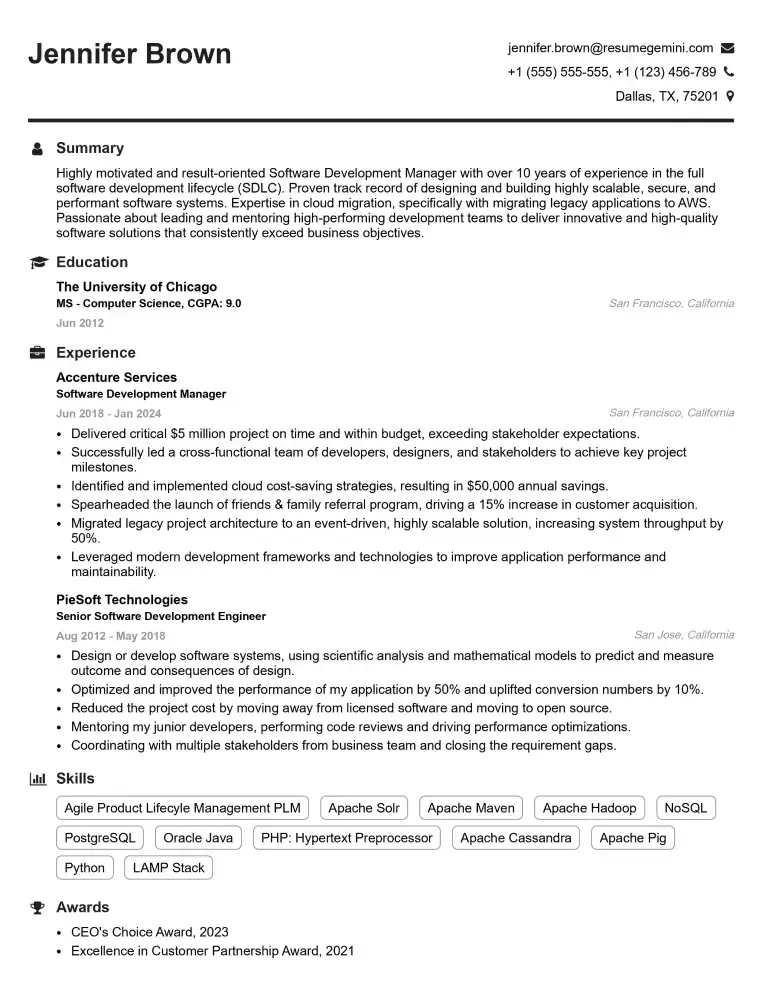
Elevate your job search with our premium resume templates. Here is an amazing resume template that can be used to build a professional and elegant resume. You can build a resume from scratch or revamp your existing resume. Impress hiring managers and secure your next opportunity.
- Top 50 Most Common Interview Questions
- The Psychology of a Great Resume: Hacks to Impress Recruiters
- What Mistakes to Avoid When Writing a Resume: A Comprehensive Guide
- Elevate Your Career with Expert Resume Building: Introducing ResumeGemini
- How to Write a Resume Using Google Gemini: Step-by-Step Guide