





In today’s competitive job market, your resume is your most important marketing tool. It’s your chance to showcase your skills, experience, and qualifications. But with so many different resume templates and formats available, it can be difficult to know where to start.
That’s where ResumeGemini comes in. We offer a wide range of premium, ATS-friendly resume templates that are designed to help you land your dream job.
The Anatomy of an ATS-Friendly Resume
Before we dive into our list of 50 resume templates, let’s take a quick look at the anatomy of an ATS-friendly resume. ATS, or Applicant Tracking Systems, are software programs that many companies use to screen resumes.
In order to be ATS-friendly, your resume should:
- Be formatted in a standard way, with a clear hierarchy of headings and subheadings.
- Use a professional font, such as Arial, Calibri, or Times New Roman.
- Be free of any errors, both grammatical and spelling.
- Be tailored to the specific job you are applying for.
Choosing the Perfect Template for Your Industry and Experience
Now that you know what an ATS-friendly resume looks like, it’s time to choose a template. At ResumeGemini, we offer a wide range of templates to choose from, so you can find the perfect one for your industry and experience level.
Here are a few things to keep in mind when choosing a template:
- Your industry: Different industries have different conventions when it comes to resumes. For example, resumes in the financial industry are typically more formal than resumes in the creative industry.
- Your experience level: Entry-level resumes should be more concise than resumes for more experienced professionals.
- Your personal style: Choose a template that reflects your personal style and brand.
Crafting a Powerful Resume Summary and Objective
Your resume summary and objective are two of the most important sections of your resume. They are your chance to make a strong first impression and convince the employer that you are the right person for the job.
Here are a few tips for crafting a powerful resume summary and objective:
- Keep it brief: Your resume summary and objective should be no more than a few sentences long.
- Highlight your most relevant skills and experience: Focus on the skills and experience that are most relevant to the job you are applying for.
- Use strong action verbs: Use strong action verbs to make your resume summary and objective more impactful.
- Proofread carefully: Make sure your resume summary and objective are free of errors before you submit your resume.
Showcasing Your Skills and Experience with Quantifiable Results
When you are listing your skills and experience on your resume, it is important to use quantifiable results whenever possible. This will help you to stand out from other candidates and prove the value of your contributions.
Here are a few examples of how to quantify your results:
- Increased sales by 15%
- Reduced costs by 10%
- Improved efficiency by 20%
- Managed a team of 10 people
Optimizing Your Resume for Keywords to Boost Visibility
One of the best ways to improve your resume’s visibility is to optimize it for keywords. Keywords are the words and phrases that potential employers will search for when they are looking for candidates.
Here are a few tips for optimizing your resume for keywords:
- Research the job description: The job description is a great place to find keywords that you can use in your resume.
- Use keywords throughout your resume: Include keywords in your resume summary, objective, skills section, and experience section.
- Don’t overuse keywords: Keyword stuffing can hurt your resume more than it helps.
- Use a keyword checker: There are a number of free online keyword checkers that can help you to optimize your resume.
50 Expert Resume Templates to Land Your Dream Job
Now that you know how to write a great resume, it’s time to choose a template. Here are 50 of our most popular resume templates:
Modern Resume Templates
- The Professional
- The Minimalist
- The Creative
- The Executive
- The Modern
Classic Resume Templates
- The Traditional
- The Chronological
- The Functional
- The Combination
- The Targeted
Industry-Specific Resume Templates
- Marketing Resume Template
- Sales Resume Template
- Finance Resume Template
- Technology Resume Template
- Healthcare Resume Template
- Education Resume Template
- Nonprofit Resume Template
- Government Resume Template
- Legal Resume Template
- Construction Resume Template
- Engineering Resume Template
- Design Resume Template
- Hospitality Resume Template
- Customer Service Resume Template
- Administrative Resume Template
Conclusion
Choosing the right resume template is an important part of the job application process. By following the tips in this blog post, you can choose a template that will help you to land your dream job.
Don’t forget to visit ResumeGemini to browse our full range of resume templates. With our ATS-friendly templates and expert tips, you can create a resume that will get you noticed.
Career Expert Tips:
- Select the ideal resume template to showcase your professional experience effectively.
- Master the art of resume writing to highlight your unique qualifications and achievements.
- Checkout the resume writing tips for guidance and best practices.
- Make your 2025 brighter with a new job. Build a powerful resume with ResumeGemini and save big, enjoy exclusive discounts on premium templates.
Frequently Asked Questions (FAQ’s)
How can I create an ATS-friendly resume?
Use a clean and consistent format: ATS systems prefer resumes with a well-organized and visually appealing layout. Choose a professional template and stick to it throughout your resume.
- Use relevant keywords: Identify the keywords and phrases that are most relevant to the job you’re applying for. Include these keywords in your resume, but avoid keyword stuffing.
- Keep it concise and focused: Most ATS systems can only parse the first 10 seconds of your resume. Keep your resume to one page and highlight your most relevant skills and experiences.
- Use specific and quantifiable achievements: When describing your work experience, use specific and quantifiable achievements to showcase your impact. This will help ATS systems identify your accomplishments and contributions.
- Proofread carefully: Before submitting your resume to an ATS system, proofread it carefully for any errors or typos. Errors can impact your resume’s readability and make it more difficult for ATS systems to parse your information.
What are the key sections to include in my resume?
Your resume should typically include the following sections:
- Personal Information: Your name, contact information (address, phone number, email address, LinkedIn profile URL), and a professional headshot (optional).
- Summary/Objective: A brief statement (two to three sentences) that summarizes your skills, experiences, and career goals.
- Work Experience: List your relevant work experiences in reverse chronological order. Include the company name, your job title, the dates you worked there, and a brief description of your responsibilities and accomplishments.
- Education: List your educational background in reverse chronological order. Include the name of the institution, your degree, the dates you attended, and your GPA (if it’s impressive).
- Skills: Highlight your skills and abilities that are relevant to the job you’re applying for. These can include technical skills, soft skills, and language skills.
- Additional Sections: Depending on your experience and the job you’re applying for, you may include additional sections such as Certifications, Awards, Projects, Volunteer Experience, or Publications.
How do I highlight my skills and experience effectively?
- Use action verbs: When describing your work experience, use strong action verbs to highlight your accomplishments. For example, instead of writing “I managed a team of 10 people,” write “I led a team of 10 people to achieve a 15% increase in sales.”
- Quantify your achievements: Whenever possible, quantify your achievements to make them more impactful. For example, instead of writing “I increased sales,” write “I increased sales by 15%.”
- Use keywords: Identify the keywords and phrases that are most relevant to the job you’re applying for and use them throughout your resume. This will help your resume get noticed by ATS systems and hiring managers.
- Tailor your resume to each job application: Take the time to tailor your resume to each job application. Highlight the skills and experiences that are most relevant to the job you’re applying for and use the same keywords that are used in the job description.
- Get feedback from others: Ask a friend, family member, or career counselor to review your resume and give you feedback. They may be able to spot errors or offer suggestions for improvement.
What are the common mistakes to avoid when writing a resume?
- Using too much jargon or technical language: Keep your resume clear and concise. Avoid using too much jargon or technical language that may not be familiar to the hiring manager.
- Including irrelevant information: Only include information on your resume that is relevant to the job you’re applying for. Don’t include personal information, such as your age, marital status, or religious beliefs.
- Making it too long: Keep your resume to one page. Hiring managers typically only spend a few seconds scanning resumes, so make sure yours is easy to read and digest.
- Including false or misleading information: Be honest and accurate on your resume. Never include false or misleading information, as this could damage your credibility and hurt your chances of getting the job.
- Not proofreading carefully: Before submitting your resume, proofread it carefully for any errors. Even a small error can make a bad impression on the hiring manager.
How can I customize my resume to match specific job descriptions?
- Read the job description carefully: Before you start writing your resume, take the time to read the job description carefully. This will help you identify the skills and experiences that the employer is looking for.
- Highlight your relevant skills and experiences: Once you know what the employer is looking for, highlight your relevant skills and experiences in your resume. Use the same keywords that are used in the job description.
- Tailor your resume to each job application: Don’t just send out the same resume to every job application. Take the time to tailor your resume to each job application. Highlight the skills and experiences that are most relevant to the job you’re applying for.
- Use a professional resume template: A professional resume template can help you create a visually appealing and well-organized resume. Choose a template that is appropriate for the industry you’re applying for.
- Get feedback from others: Ask a friend, family member, or career counselor to review your resume and give you feedback. They may be able to spot errors or offer suggestions for improvement.
Is there a tool or service that can help me create a resume?
Yes, there are a number of tools and services that can help you create a resume. ResumeGemini is a popular resume builder that offers a variety of templates, tools, and resources to help you create a professional and effective resume.
Next Step:
Having a strong resume is essential for landing your dream job. By following the tips in this blog post, you can create a resume that will make you stand out from the competition and get you noticed by hiring managers.
If you need help creating a resume, consider using a resume builder like ResumeGemini.
With its user-friendly interface and professionally designed templates, ResumeGemini makes it easy to create a resume that will impress potential employers.
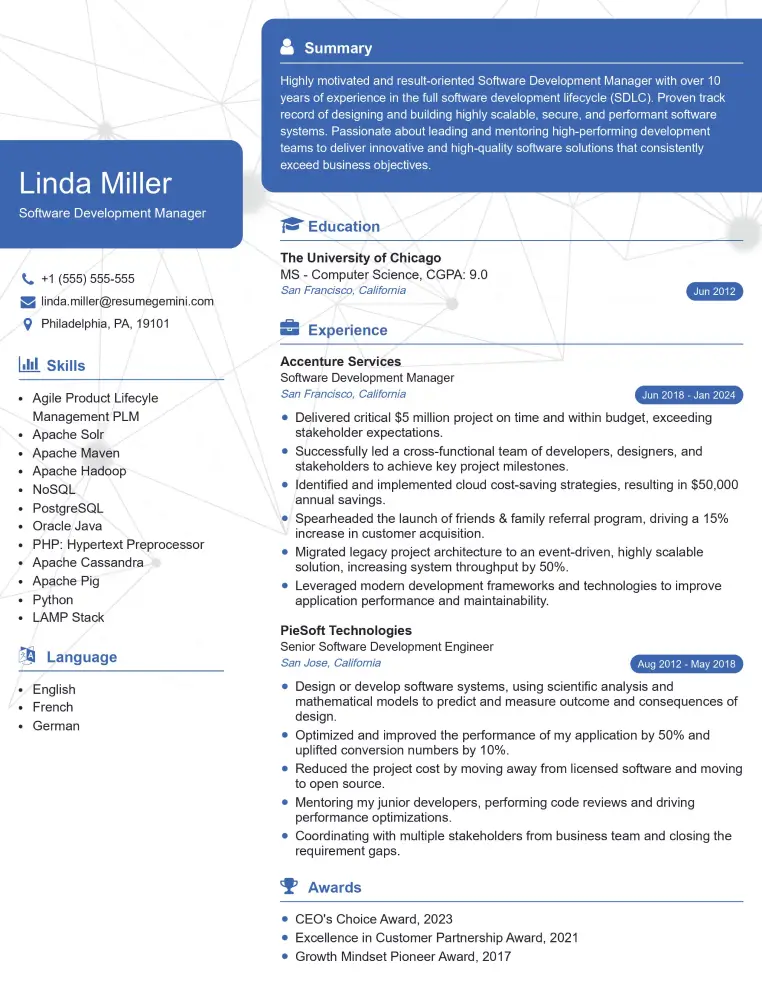
Elevate your job search with our premium resume templates. Here is an amazing resume template that can be used to build a professional and elegant resume. You can build a resume from scratch or revamp your existing resume. Impress hiring managers and secure your next opportunity.
- Top 50 Most Common Interview Questions
- The Psychology of a Great Resume: Hacks to Impress Recruiters
- What Mistakes to Avoid When Writing a Resume: A Comprehensive Guide
- Elevate Your Career with Expert Resume Building: Introducing ResumeGemini
- Crafting Your First Impression: How To Make Free Resume Online For Freshers