





In today’s competitive job market, it’s not enough to just show up for an interview and wing it. You need to be prepared to answer the tough questions that employers are throwing your way. That’s why we’ve put together this guide to the most common interview questions of 2026. With our expert tips, you’ll be able to ace your next interview and land your dream job.
1. Tell Me About Yourself
This is a classic interview question that gives you a chance to introduce yourself and highlight your skills and experience. When answering this question, focus on the most relevant aspects of your background that make you a good fit for the position you’re applying for. Be concise and to the point, and avoid rambling on about your entire life story.
- Start with a brief overview of your educational background and work experience.
- Highlight your skills and experience that are most relevant to the position you’re applying for.
- End with a brief statement about why you’re interested in the position and why you think you’re a good fit for the company.
2. Why Are You Interested in This Position?
This question gives you a chance to show the interviewer that you’ve done your research and that you’re genuinely interested in the position. When answering this question, be specific about what attracted you to the position and why you think you’re a good fit for the company. Avoid giving generic answers that could apply to any job, such as “I’m looking for a new challenge” or “I’m interested in learning new things.”
- Start by researching the company and the position you’re applying for.
- Identify the specific aspects of the position that interest you and why you think you’re a good fit for the company.
- End with a brief statement about why you’re excited about the opportunity to work for the company.
3. Why Should We Hire You?
This is a tough question, but it’s also a great opportunity to sell yourself and convince the interviewer that you’re the best person for the job. When answering this question, focus on your unique skills and experience and how they would benefit the company. Be confident and specific, and avoid being overly modest.
- Start by highlighting your skills and experience that are most relevant to the position you’re applying for.
- Explain how your skills and experience would benefit the company.
- End with a brief statement about why you’re the best person for the job.
4. What Are Your Strengths and Weaknesses?
This is another classic interview question that gives you a chance to showcase your self-awareness and humility. When answering this question, be honest about your strengths and weaknesses, but focus on the positive. For your strengths, highlight the skills and experience that make you a good fit for the position you’re applying for. For your weaknesses, choose something that is not a major flaw and that you’re working on improving.
- Start by identifying your strengths and weaknesses.
- For your strengths, focus on the skills and experience that make you a good fit for the position you’re applying for.
- For your weaknesses, choose something that is not a major flaw and that you’re working on improving.
5. What Are Your Career Goals?
This question gives you a chance to show the interviewer that you’re ambitious and that you have a plan for your career. When answering this question, be specific about your career goals and how the position you’re applying for fits into those goals. Avoid being vague or unrealistic, and be prepared to explain how you plan to achieve your goals.
- Start by identifying your short-term and long-term career goals.
- Explain how the position you’re applying for fits into your career goals.
- End with a brief statement about how you plan to achieve your goals.
6. What Is Your Salary Expectation?
This is a tricky question that can be difficult to answer. The best way to approach this question is to research the average salary for the position you’re applying for and then give a range that is in line with that research. Avoid giving a specific number unless you’re absolutely sure that it’s what you’re worth. And be prepared to negotiate if the interviewer comes back with a lower offer.
- Start by researching the average salary for the position you’re applying for.
- Give a range that is in line with your research.
- Be prepared to negotiate if the interviewer comes back with a lower offer.
7. Do You Have Any Questions for Me?
This is your chance to ask the interviewer any questions you have about the position or the company. It’s also a good way to show the interviewer that you’re interested and engaged. When asking questions, be specific and avoid asking questions that could be easily answered by doing a little research online.
- Start by asking about the specific responsibilities of the position.
- Ask about the company’s culture and values.
- Ask about the company’s plans for the future.
8. Situational and Behavioral Questions
Situational and behavioral questions are designed to assess your problem-solving skills and your ability to work in a team. These questions typically start with “Tell me about a time when…” or “Describe a situation where…” When answering these questions, be specific and provide concrete examples. And be sure to focus on the positive aspects of your experience.
- Start by identifying the specific skill or behavior that the question is assessing.
- Provide a concrete example from your experience that demonstrates the skill or behavior.
- End with a brief statement about what you learned from the experience.
9. Technical Questions
Technical questions are designed to assess your technical skills and knowledge. These questions will vary depending on the position you’re applying for, so it’s important to do your research and prepare for the specific questions that you’re likely to be asked. When answering technical questions, be clear and concise, and avoid using jargon that the interviewer may not understand.
- Start by researching the technical skills and knowledge that are required for the position you’re applying for.
- Practice answering common technical questions.
- Be clear and concise in your answers, and avoid using jargon that the interviewer may not understand.
10. Questions About the Company and Industry
Questions about the company and industry show the interviewer that you’re interested in the company and that you’ve done your research. When answering these questions, be specific and show that you understand the company’s mission, values, and products or services. And be sure to tailor your answers to the specific company and industry that you’re interviewing for.
- Start by researching the company’s website, social media pages, and news articles.
- Identify the company’s mission, values, and products or services.
- Tailor your answers to the specific company and industry that you’re interviewing for.
Preparing for an interview can be a daunting task, but it’s important to remember that the more prepared you are, the more confident you’ll be. By following the tips in this guide, you can increase your chances of acing your next interview and landing your dream job.
Career Expert Tips:
- Select the ideal resume template to showcase your professional experience effectively.
- Master the art of resume writing to highlight your unique qualifications and achievements.
- Checkout the resume writing tips for guidance and best practices.
- Make your 2025 brighter with a new job. Build a powerful resume with ResumeGemini and save big, enjoy exclusive discounts on premium templates.
Frequently Asked Questions (FAQ’s)
What are the most common interview questions?
Interviewers typically ask questions that fall into several broad categories, including:
- Questions about your experience and qualifications
- Questions about your skills and abilities
- Questions about your motivation and goals
- Behavioral questions
- Questions about the company and the position
- Tell me about yourself.
- Why are you interested in this position?
- What are your strengths and weaknesses?
- Why should we hire you?
- What are your salary expectations?
How do I prepare for an interview?
There are several things you can do to prepare for an interview, including:
- Research the company and the position.
- Practice answering common interview questions.
- Prepare questions to ask the interviewer.
- Dress professionally and arrive on time for your interview.
- Be confident and enthusiastic.
What are the best ways to answer interview questions?
When answering interview questions, it is important to be clear, concise, and specific. Use the STAR method to answer behavioral questions:
- Situation: Describe the situation or task that you were faced with.
- Task: Explain the task that you were responsible for completing.
- Action: Describe the actions that you took to complete the task.
- Result: Explain the results of your actions.
- Situation: I was working on a project with a tight deadline, and one of my team members was not pulling their weight.
- Task: I needed to find a way to get my team member to contribute more to the project.
- Action: I spoke to my team member privately and expressed my concerns. I also offered to help them with their workload.
- Result: My team member started to contribute more to the project, and we were able to meet the deadline.
What are some common mistakes to avoid in an interview?
There are several common mistakes that you should avoid in an interview, including:
- Arriving late or unprepared.
- Dressing inappropriately.
- Being negative or complaining.
- Talking too much or interrupting the interviewer.
- Not asking any questions.
How can I follow up after an interview?
It is important to follow up after an interview to thank the interviewer for their time and to reiterate your interest in the position. You can do this by sending a thank-you email or letter within 24 hours of the interview. In your follow-up, you should:
- Thank the interviewer for their time.
- Reiterate your interest in the position.
- Highlight your skills and experience that are relevant to the position.
- Ask any questions that you have about the position or the company.
What should I do if I don’t know the answer to a question?
If you don’t know the answer to a question, it is important to be honest and upfront with the interviewer. You can say something like, “I’m not sure, but I would be happy to research the answer and get back to you.” You can also try to answer the question in a general way, or you can ask the interviewer for clarification.
How can I stay calm and confident during an interview?
There are several things you can do to stay calm and confident during an interview, including:
- Prepare thoroughly for the interview.
- Practice answering common interview questions.
- Dress professionally and arrive on time for your interview.
- Visualize yourself being successful in the interview.
- Use positive self-talk.
Next Step:
Now that you have a better understanding of the most common interview questions and how to answer them, you can start preparing for your upcoming interviews with confidence. Remember to practice answering these questions, and be sure to tailor your answers to the specific position and company that you are applying for. With the right preparation, you can increase your chances of making a great impression and landing the job.
If you are looking for a professional resume builder to help you create a winning resume, be sure to check out ResumeGemini. Our easy-to-use builder will help you create a resume that will get you noticed by employers.
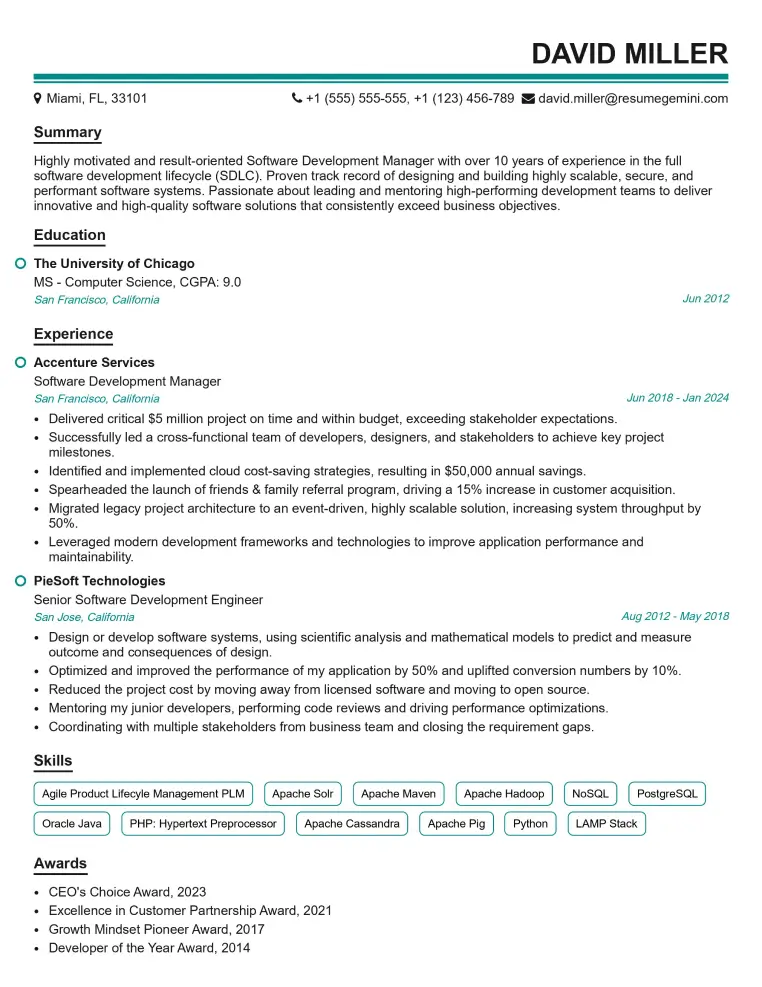
Elevate your job search with our premium resume templates. Here is an amazing resume template that can be used to build a professional and elegant resume. You can build a resume from scratch or revamp your existing resume. Impress hiring managers and secure your next opportunity.
- Top 50 Most Common Interview Questions
- The Psychology of a Great Resume: Hacks to Impress Recruiters
- What Mistakes to Avoid When Writing a Resume: A Comprehensive Guide
- Elevate Your Career with Expert Resume Building: Introducing ResumeGemini
- Crafting Your First Impression: How To Make Free Resume Online For Freshers