





In today’s dynamic job market, it’s more common than ever for professionals to consider changing careers. Whether you’re seeking a fresh start or a more fulfilling path, the decision to switch careers can be both exciting and daunting. This comprehensive guide will equip you with the knowledge and strategies to navigate the career-switching landscape successfully in 2026.
Assess Your Skills and Identify Transferable Abilities
The first step in a successful career transition is to take stock of your current skills and abilities. Consider the following:
- Hard skills: These are specific, technical skills that you’ve acquired through education, training, or experience. Examples include coding, data analysis, or project management.
- Soft skills: These are more general, interpersonal skills that are valuable in any industry. Examples include communication, teamwork, and problem-solving.
Once you have a clear understanding of your skills, identify those that are transferable to other careers. For instance, if you have strong project management skills as a marketing professional, you could transition to a project management role in a different industry.
Research and Explore New Career Options
With your transferable skills in mind, it’s time to explore potential career paths. This can be done through:
- Online research: Explore websites like LinkedIn, Glassdoor, and Indeed to research different career paths, industries, and job titles.
- Networking: Attend industry events, connect with people on LinkedIn, and reach out to your personal network for insights into potential career options.
- Informational interviews: Reach out to professionals in fields that interest you to schedule brief informational interviews. This can provide invaluable insights into their day-to-day work and the skills and experiences required.
Gain Relevant Knowledge and Experience
Once you have identified potential career paths, it’s time to develop the knowledge and experience necessary to make a successful transition. This may involve:
- Education: Consider pursuing a degree, certificate, or online course to fill any knowledge or skill gaps. Part-time or online programs allow you to gain the necessary qualifications while working.
- Volunteering or internships: Gain practical experience in your desired field by volunteering or interning with an organization.
- Projects or freelance work: If traditional education or internships aren’t feasible, consider taking on projects or freelance work to demonstrate your skills and gain experience.
Build a Network and Seek Mentorship
Networking is crucial for career switchers. Attend industry events, join LinkedIn groups, and connect with professionals in your desired field. Consider reaching out to potential mentors who can provide guidance and support.
Craft a Career-Switching Resume and Cover Letter
Your resume and cover letter should effectively communicate your transferable skills and highlight your potential in your new career path. Consider the following tips:
- Highlight transferable skills: Emphasize skills that are relevant to your desired field, even if they were gained in a different industry.
- Use keywords: Research job listings in your target field to identify relevant keywords and incorporate them into your resume.
- Quantify your accomplishments: Use numbers and metrics to demonstrate the impact of your work.
- Tailor your cover letter: For each job application, customize your cover letter to highlight how your skills and experiences align with the specific role and company.
- Seek professional feedback: Consider getting feedback on your resume and cover letter from a career counselor or industry professional.
Prepare for Interviews and Navigating Career Fairs
Once you’ve submitted your applications, it’s time to prepare for interviews and career fairs. Here are some tips:
- Practice your answers: Prepare answers to common interview questions, such as “Tell me about yourself” and “Why are you interested in this role?” Practice your delivery and make sure your answers are concise and relevant.
- Research the company: Before each interview, thoroughly research the company, its culture, and its industry. This knowledge will help you demonstrate your interest and align your responses with the company’s values.
- Dress professionally: First impressions matter, so ensure you dress professionally for interviews and career fairs.
- Follow up: After each interview, send a thank-you note to the interviewer reiterating your interest in the role and highlighting any points you may not have had the chance to discuss.
Switching careers can be a challenging but rewarding endeavor. By following these seven steps, you can increase your chances of success. Remember to stay positive, be persistent, and seek support when needed. Most importantly, believe in yourself and your ability to achieve your career goals.
If you’re ready to create a standout resume that will help you switch careers successfully in 2026, visit ResumeGemini today. Their premium, ATS-friendly resume templates can help you showcase your skills and land your dream job.
Career Expert Tips:
- Select the ideal resume template to showcase your professional experience effectively.
- Master the art of resume writing to highlight your unique qualifications and achievements.
- Checkout the resume writing tips for guidance and best practices.
- Make your 2025 brighter with a new job. Build a powerful resume with ResumeGemini and save big, enjoy exclusive discounts on premium templates.
Frequently Asked Questions (FAQs)
How do I identify my transferable skills for a career change?
Recognizing your transferable skills is crucial for a successful career transition. Start by assessing your previous experiences, including your accomplishments, responsibilities, and projects. Focus on transferable skills that are relevant to the new field you’re targeting. Consider your ability to solve problems, communicate effectively, manage projects, work in a team, and adapt to change. Examples of transferable skills include:
- Communication skills
- Problem-solving abilities
- Teamwork and collaboration
- Adaptability and flexibility
- Project management experience
- Leadership qualities
- Analytical and critical thinking abilities
- Computer literacy and proficiency
- Foreign language proficiency
What are the best ways to gain experience in a new field?
Acquiring practical experience in your new field can greatly enhance your chances of success. Consider the following strategies:
- Internships and apprenticeships: Gain hands-on experience and build connections in your desired field.
- Volunteer work: Offer your skills to non-profit organizations or community projects to gain relevant experience and demonstrate your commitment.
- Online courses and certifications: Enhance your knowledge and skills by taking online courses or obtaining certifications.
- Networking events: Attend industry events, conferences, and meetups to connect with professionals in your target field.
- Informational interviews: Reach out to professionals in your desired field to learn about their experiences and insights.
- Freelance or part-time work: Offer your services on a freelance or part-time basis to gain practical experience and build your portfolio.
How do I network effectively for career advancement?
Building a strong professional network is essential for career success. Here are some effective networking strategies:
- Attend industry events: Participate in conferences, workshops, and meetups to connect with professionals in your field.
- Join professional organizations: Become a member of industry associations and attend their events to expand your network.
- Use social media: Connect with professionals on LinkedIn, Twitter, and industry-specific platforms.
- Reach out to your existing network: Ask your friends, family, and colleagues for referrals or introductions to people in your target industry.
- Be active in your community: Engage in local volunteer opportunities or community projects to meet people from various backgrounds.
- Follow up: After meeting new contacts, follow up with a personalized message to stay in touch and build relationships.
How do I write a resume and cover letter that highlights my skills for a career change?
Crafting a compelling resume and cover letter is crucial for showcasing your skills and landing interviews in your new field. Here are some tips:
- Tailor your resume and cover letter to each job application: Highlight the skills and experiences that are most relevant to the specific role you’re applying for.
- Use keywords: Include industry-specific keywords and phrases throughout your resume and cover letter to match the job description and increase your chances of getting noticed by recruiters.
- Quantify your accomplishments: Use specific numbers and metrics to demonstrate the impact of your contributions in previous roles.
- Transferable skills: Emphasize your transferable skills and how they can be applied to the new field.
- Start with a strong hook: Grab the reader’s attention with a captivating opening statement that highlights your enthusiasm for the position.
- Explain your career transition: Briefly explain your reasons for changing careers and how your skills and experiences make you a suitable candidate for the new role.
- End with a call to action: Express your interest in the position and invite the hiring manager to schedule an interview with you.
What are the challenges and opportunities in career switching in today’s market?
Career switching presents both challenges and opportunities in today’s competitive job market. Some potential challenges include:
- Lack of experience: You may not have direct experience in your new field, which can limit your job prospects.
- Competition: You may be competing with other candidates who have more relevant experience or qualifications.
- Ageism: Age bias can sometimes be a factor in career transitions, especially for older workers.
- Financial implications: Career switching may involve taking a pay cut or investing in additional education or training, which can impact your financial situation.
- Increased job satisfaction: Switching to a field that aligns with your interests and passions can lead to greater job satisfaction and fulfillment.
- Enhanced earning potential: Career switching can open doors to higher-paying positions in your new field.
- Personal growth and development: Career switching can provide opportunities for personal and professional growth, allowing you to expand your skills and knowledge.
- Market demand: Certain industries and job roles are experiencing high demand, creating opportunities for career switchers with relevant skills.
How can I use ResumeGemini to support my career transition?
ResumeGemini is a comprehensive resume builder that provides valuable support for career switchers. With its extensive library of professionally designed templates, ResumeGemini makes it easy to create a visually appealing and ATS-friendly resume that highlights your skills and experience. Additionally, ResumeGemini offers:
- Transferable skills identifier: The platform’s built-in tool helps you identify and highlight transferable skills relevant to your new career path.
- Industry-specific resume examples: ResumeGemini provides a collection of industry-specific resume samples to inspire your writing and ensure your resume meets industry standards.
- Expert resume reviews: Professional resume writers at ResumeGemini can review your resume, offer personalized feedback, and help you refine your application materials for a successful career transition.
Next Step:
If you’re ready to embark on a successful career transition, take the following steps:
- Assess your skills and identify your transferable abilities.
- Research your target field and gain relevant experience.
- Network with professionals in your new field.
- Craft a compelling resume and cover letter that showcases your skills for a career change.
- Leverage ResumeGemini’s resources and tools to support your transition.
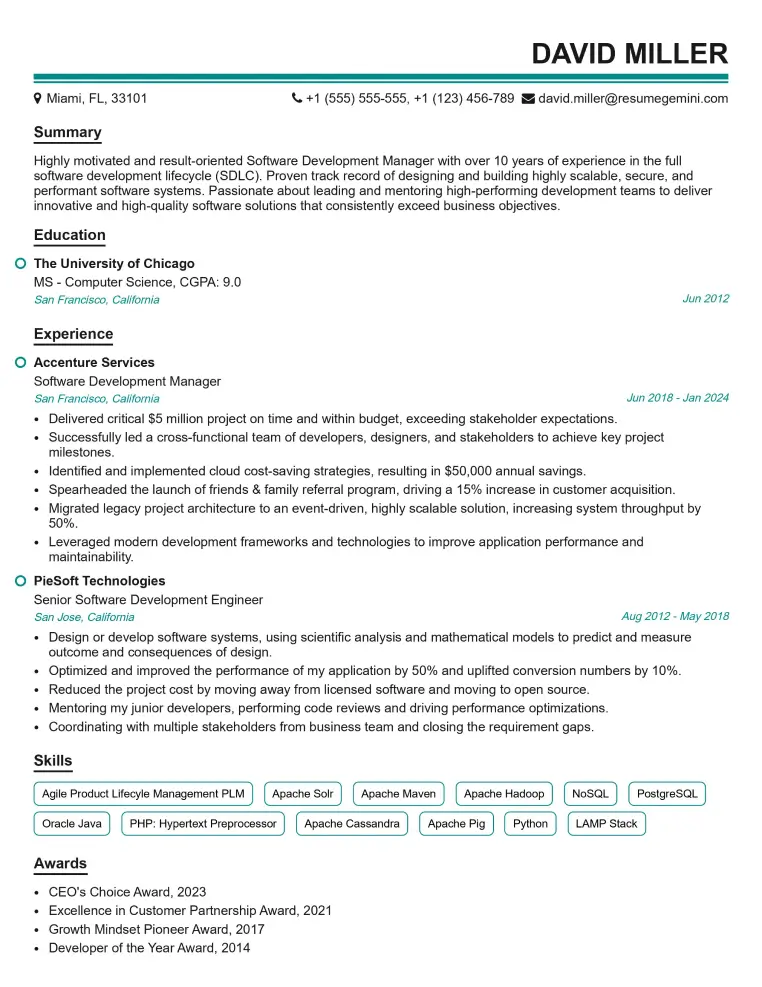
Elevate your job search with our premium resume templates. Here is an amazing resume template that can be used to build a professional and elegant resume. You can build a resume from scratch or revamp your existing resume. Impress hiring managers and secure your next opportunity.
- Top 50 Most Common Interview Questions
- The Psychology of a Great Resume: Hacks to Impress Recruiters
- What Mistakes to Avoid When Writing a Resume: A Comprehensive Guide
- Elevate Your Career with Expert Resume Building: Introducing ResumeGemini
- Crafting Your First Impression: How To Make Free Resume Online For Freshers