





In the ever-evolving job market, mid-career professionals face unique challenges in advancing their careers. To stand out in a competitive landscape, it’s crucial to have a resume that effectively showcases your skills, experience, and value proposition. Here are six secrets that will help you craft a powerful resume that will unlock your career potential:
Resume Revamp: Refresh Your Resume for Career Growth
Your resume is a living document that should evolve with your career journey. Over time, your skills, accomplishments, and career goals may have changed significantly. A resume revamp is essential to ensure that your resume accurately reflects your current career situation and aspirations.
- Identify your target audience: Determine the specific roles and industries you’re targeting to tailor your resume accordingly.
- Highlight relevant skills and experience: Focus on showcasing the skills and experiences that are most relevant to your target roles.
- Quantify your accomplishments: Use specific metrics to quantify the impact of your work, making your contributions tangible to potential employers.
Highlighting Transferable Skills: Uncover Hidden Value
Throughout your career, you’ve likely gained valuable skills that are transferable across different industries and roles. Identifying and highlighting these skills can significantly enhance the versatility and appeal of your resume.
- Make a list of your skills: Take time to reflect on all the skills you’ve acquired through your work experience, education, and personal endeavors.
- Identify transferable skills: Determine which skills are applicable to your target roles, even if they were gained in a different industry or context.
- Incorporate transferable skills into your resume: Highlight your transferable skills in relevant sections, such as the skills summary, experience section, and additional skills section.
Quantifying Impact: Showcase Your Contributions
Potential employers want to know what you’ve accomplished in your previous roles. Instead of simply listing your responsibilities, focus on quantifying your impact and demonstrating the measurable results you’ve delivered.
- Identify your achievements: Think about specific projects or initiatives you’ve led or contributed to that have had a tangible impact.
- Use numbers and metrics: Use specific numbers and metrics to quantify the results of your work, such as increased sales, reduced costs, or improved productivity.
- Highlight your role: Clearly state your role in each project or initiative and the specific contributions you made.
Career Summary: Craft a Compelling Narrative
The career summary is a crucial section of your resume that provides a concise overview of your skills, experience, and career goals. It’s your opportunity to make a strong first impression and entice potential employers to read further.
- Start with a strong hook: Begin your career summary with a compelling statement that grabs attention and summarizes your unique value proposition.
- Highlight your key skills and experience: Briefly mention your most relevant skills and experience to give employers a quick snapshot of your qualifications.
- State your career goals: Clearly state your career goals and how your skills and experience align with the roles you’re targeting.
Resume Optimization for Mid-Career: Beat the ATS
Applicant Tracking Systems (ATS) are software programs used by many employers to screen resumes before they reach human eyes. To ensure your resume stands out and gets past the ATS, it’s essential to optimize it accordingly.
- Use keywords: Research job descriptions and industry-specific keywords to include in your resume, especially in the skills summary and experience section.
- Avoid unnecessary formatting: ATS systems prefer simple, text-based resumes. Avoid using graphics, tables, or special characters that may not be recognized by the system.
- Use a professional font and layout: Choose a clean, professional font and resume layout that is easy for the ATS to read and process.
Networking and Resume Distribution: Expand Your Reach
In addition to submitting your resume through job boards and company websites, it’s essential to leverage networking and resume distribution to expand your reach.
- Attend industry events: Attend industry conferences, meetups, and networking events to connect with potential employers and recruiters.
- Utilize social media: Join industry-specific LinkedIn groups and follow relevant companies and recruiters on social media to stay informed about job opportunities.
- Use resume distribution services: Consider using resume distribution services like ResumeGemini to increase the visibility of your resume to a wider audience.
Career Expert Tips:
- Select the ideal resume template to showcase your professional experience effectively.
- Master the art of resume writing to highlight your unique qualifications and achievements.
- Checkout the resume writing tips for guidance and best practices.
- Make your 2025 brighter with a new job. Build a powerful resume with ResumeGemini and save big, enjoy exclusive discounts on premium templates.
Frequently Asked Questions (FAQ’s)
How do I update my resume after several years of experience?
Updating your resume after years of experience requires you to tailor your resume to showcase your growth, accomplishments, and relevance to the current job market. Here are 5 effective steps:
1. Assess Your Current Resume: Critically review your old resume to identify areas that need updating, such as your work experience, skills, and achievements.
2. Quantify Your Accomplishments: Use specific metrics to quantify your achievements whenever possible. This makes your resume more impactful and demonstrates the tangible results of your work.
3. Highlight Transferable Skills: Emphasize the skills and abilities you’ve gained throughout your career that are relevant to the positions you’re applying for, even if they weren’t acquired in your most recent role.
4. Use Keywords: Research the job descriptions of positions you’re targeting and incorporate industry-specific keywords into your resume to improve its visibility to recruiters.
5. Get Feedback: Seek feedback on your updated resume from a trusted source, such as a career counselor or a mentor, to ensure it’s strong, clear, and impactful.
What are the key elements of a strong resume for a mid-career professional?
- Contact Information: Ensure your name, phone number, email address, and LinkedIn profile URL are prominently displayed and up-to-date.
- Professional Headline: Craft a concise and compelling statement that summarizes your experience, skills, and career goals.
- Work Experience: List your professional experience in reverse chronological order, highlighting your responsibilities, accomplishments, and the impact you made in each role.
- Skills: Include a section that showcases your hard and soft skills, both technical and interpersonal.
- Education: List your educational qualifications in reverse chronological order, including degrees, certifications, and relevant coursework.
- Additional Sections: Consider including sections for Awards, Certifications, Languages, Accomplishments, Extra Curricular and References to provide additional information and credibility.
How do I highlight my transferable skills on my resume?
To effectively highlight transferable skills on your resume:
1. Identify Relevant Skills: Determine which skills from your previous roles and experiences are applicable to the positions you’re targeting, even if they weren’t directly related to your job title.
2. Use Action Verbs: Use strong action verbs to describe your accomplishments and highlight your transferable skills. This makes your resume more impactful and easier to read.
3. Quantify Your Results: Whenever possible, use specific metrics to quantify the results of your efforts. This adds credibility to your resume and demonstrates the tangible impact of your work.
4. Showcase Your Adaptability: Emphasize your ability to learn quickly, adapt to new situations, and take on new challenges.
What are the most important things to consider when writing a resume as a mid-career professional?
- Keep It Concise:** Avoid overwhelming recruiters with an overly long resume. Aim for a one-page resume that effectively captures your most relevant experience and skills.
- Tailor Your Resume:** Customize your resume for each job you apply for, highlighting the skills and experience that are most relevant to the position.
- Proofread Carefully:** Ensure your resume is free from errors in grammar, spelling, and punctuation. Consider using a professional resume review service to ensure your resume is polished and error-free.
- Use Strong Action Verbs:** Use strong action verbs to describe your accomplishments and showcase your skills. Avoid passive language and use specific examples to demonstrate your impact.
- Quantify Your Achievements:** Use numbers and metrics to quantify your accomplishments whenever possible. This adds credibility to your resume and demonstrates the tangible impact of your work.
How do I tailor my resume to specific job descriptions?
Tailoring your resume to specific job descriptions is crucial to increasing your chances of securing an interview. Here’s how:
1. Carefully Review the Job Description: Analyze the job description thoroughly to identify the key requirements, skills, and qualifications sought by the employer.
2. Highlight Relevant Skills and Experience: Match your skills and experience to the requirements of the job description. Use keywords from the job description in your resume to make it easier for recruiters to see your relevance.
3. Use Similar Language: Use similar language and phrasing to the job description in your resume. This demonstrates your understanding of the role and your ability to meet the employer’s needs.
4. Showcase Your Value Proposition: Clearly and concisely articulate how your skills and experience make you the ideal candidate for the position.
What are some common mistakes that mid-career professionals make on their resumes?
To avoid common pitfalls, consider these mistakes that mid-career professionals often make on their resumes:
1. Lack of Focus: Resumes that are too long, unfocused, or irrelevant to the job being applied for can quickly get overlooked.
2. Overemphasizing Experience: While it’s important to highlight your experience, avoid dwelling too much on outdated or irrelevant positions. Instead, focus on showcasing your most recent and relevant experience.
3. Insufficient Quantified Results: Resumes that lack specific metrics and quantifiable achievements may fail to demonstrate the impact of your work. Whenever possible, use numbers and data to showcase your accomplishments.
4. Poor Formatting: A poorly formatted resume can make it difficult for recruiters to quickly scan and identify key information. Use clear and concise language, and ensure your resume is visually appealing.
5. Typos and Grammatical Errors: Even small errors can create a negative impression and undermine your professionalism. Proofread your resume carefully before submitting it.
How do I write a strong cover letter to complement my resume?
An effective cover letter complements your resume by providing additional context and demonstrating your enthusiasm for the position. Here are some tips:
1. Address the Hiring Manager: If possible, address your cover letter to the hiring manager by name. This personal touch shows that you’ve taken the time to research the company and the position.
2. Highlight Your Most Relevant Skills: Briefly highlight your most relevant skills and experience that align with the requirements of the job description.
3. Showcase Your Enthusiasm: Express your enthusiasm for the position and the company. Explain why you’re interested in the opportunity and how your skills and experience make you a suitable candidate.
4. Proofread Carefully: Just like your resume, your cover letter should be free of errors in grammar, spelling, and punctuation. Ask a friend or family member to proofread it before you submit it.
What are the best ways to network and find job opportunities as a mid-career professional?
Networking is crucial for mid-career professionals seeking new opportunities. Consider these effective strategies:
1. Attend Industry Events: Attend industry conferences, seminars, and networking events to connect with professionals in your field.
2. Join Professional Organizations: Become a member of professional organizations related to your industry. This provides opportunities to network, stay updated on industry trends, and access job postings.
3. Utilize LinkedIn: Use LinkedIn to connect with professionals in your field, join industry groups, and engage in discussions. It’s a powerful platform for building your professional network.
4. Inform Your Network: Let your friends, family, and colleagues know that you’re looking for new opportunities. They may have connections or leads that could be valuable in your job search.
Next Step:
Elevate your career with a resume that showcases your experience and skills as a mid-career professional. Let ResumeGemini be your trusted partner in creating a powerful resume that will open doors to new opportunities.
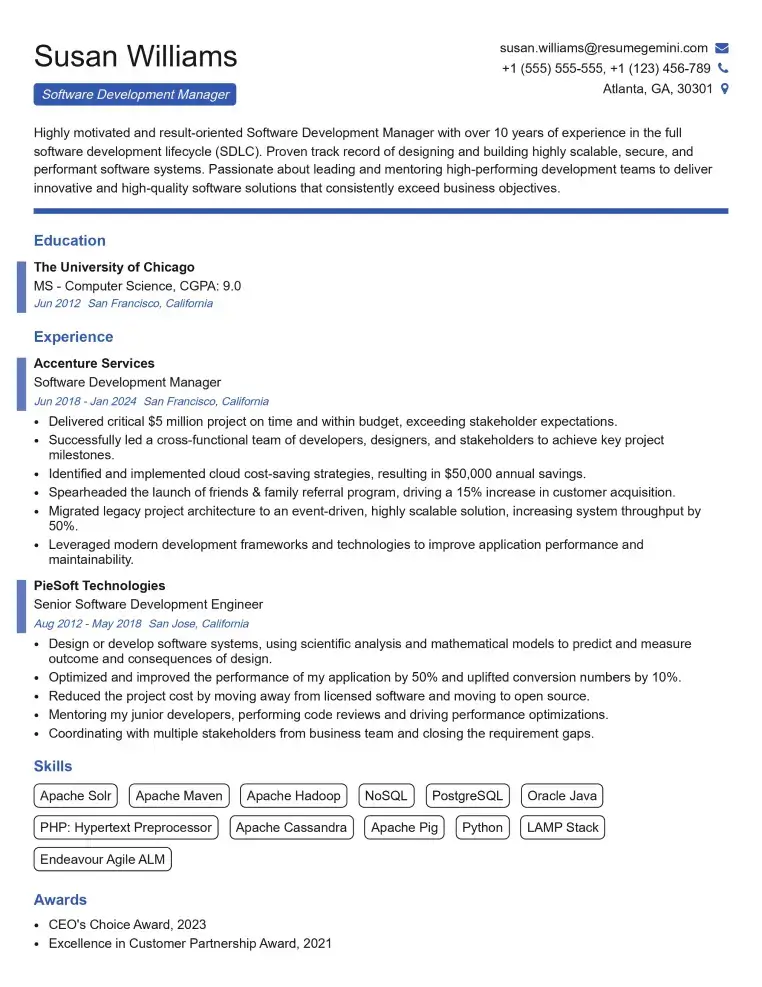
Elevate your job search with our premium resume templates. Here is an amazing resume template that can be used to build a professional and elegant resume. You can build a resume from scratch or revamp your existing resume. Impress hiring managers and secure your next opportunity.
- Top 50 Most Common Interview Questions
- The Psychology of a Great Resume: Hacks to Impress Recruiters
- What Mistakes to Avoid When Writing a Resume: A Comprehensive Guide
- Elevate Your Career with Expert Resume Building: Introducing ResumeGemini
- How to Write a Resume Using Google Gemini: Step-by-Step Guide