





In today’s competitive job market, it’s not enough to simply have a great resume. You also need a well-written cover letter that complements your resume and makes a lasting impression on potential employers. Follow these 7 steps to write a cover letter that will help you land the job you want.
1. Research the Company and Position
Before you start writing your cover letter, take some time to research the company and the specific position you’re applying for. This will help you tailor your letter to the specific requirements of the job and show the employer that you’re genuinely interested in the position.
- Visit the company’s website to learn about their mission, values, and products or services.
- Read the job description carefully to identify the key skills and qualifications required for the position.
- Use LinkedIn or other social media platforms to learn more about the company and the hiring manager.
2. Craft a Captivating Opening Paragraph
The opening paragraph of your cover letter is your chance to grab the employer’s attention and make them want to read more. Start with a strong hook, such as a relevant quote, a statistic, or a personal anecdote. Then, briefly introduce yourself and explain why you’re interested in the position and the company.
- Keep your opening paragraph concise and to the point, no more than 3-4 sentences.
- Use strong action verbs to highlight your skills and experience.
- Personalize your opening paragraph by addressing the hiring manager by name, if possible.
3. Highlight Your Most Relevant Skills
In the body of your cover letter, highlight your most relevant skills and experience. Be specific and provide concrete examples of how you’ve used these skills in your previous roles. Use the job description as a guide to identify the skills that the employer is looking for.
- Use bullet points to list your skills and experience.
- Quantify your achievements whenever possible using numbers and data.
- Use keywords from the job description to match your skills to the employer’s requirements.
4. Quantify Your Achievements
Don’t just list your skills and experience; quantify your achievements whenever possible. This will help the employer see the concrete results of your work and understand the value you can bring to the company.
- Use numbers and data to show how you’ve increased sales, improved efficiency, or reduced costs.
- Be specific about your accomplishments and use action verbs to describe your role.
- For example, instead of saying “I managed a team of marketing professionals,” say “I led a team of marketing professionals that increased sales by 15% in one year.”
5. Explain Your Career Goals
In your cover letter, you should also briefly explain your career goals and how the position you’re applying for fits into those goals.
- Be honest about your career aspirations and how the position aligns with your long-term goals.
- Show the employer that you’re ambitious and that you’re looking for a challenging and rewarding career.
- Avoid being too general or vague in your career goals.
6. Proofread Carefully and Seek Feedback
Before you submit your cover letter, proofread it carefully for any errors in grammar, spelling, or punctuation. You can also ask a friend or family member to review your letter and provide feedback.
- Use a grammar checker to help you identify any errors.
- Read your letter aloud to check for any awkward phrasing or sentences that don’t flow well.
- Get feedback from someone who is familiar with the industry or position you’re applying for.
7. Use ResumeGemini’s Sample Cover Letters
If you’re struggling to write a cover letter, ResumeGemini offers a library of sample cover letters that you can use as inspiration.
- ResumeGemini’s sample cover letters are written by professional resume writers and tailored to different industries and positions.
- You can use ResumeGemini’s sample cover letters as a template and customize them to fit your specific needs.
- ResumeGemini also offers a cover letter builder that can help you create a professional cover letter in minutes.
Career Expert Tips:
- Select the ideal resume template to showcase your professional experience effectively.
- Master the art of resume writing to highlight your unique qualifications and achievements.
- Checkout the resume writing tips for guidance and best practices.
- Make your 2025 brighter with a new job. Build a powerful resume with ResumeGemini and save big, enjoy exclusive discounts on premium templates.
Frequently Asked Questions (FAQ’s)
What is the purpose of a cover letter?
A cover letter is a one-page document that accompanies your resume when applying for a job. It serves several key purposes:
- Introduces You: It provides a personal introduction to potential employers, allowing you to highlight your unique skills and experiences.
- Expands on Your Resume: It complements your resume by providing additional details, context, and examples that demonstrate why you’re a suitable candidate.
- Demonstrates Interest: It shows employers that you’re genuinely interested in the position and have taken the time to learn about the company and role.
- Makes a Positive Impression: A well-written cover letter can make a lasting impression on hiring managers, increasing your chances of getting noticed and invited for an interview.
How do I format a cover letter?
A cover letter typically follows a standard format:
- Header: Includes your contact information (name, address, phone number, email) and the date.
- Inside Address: The name and address of the hiring manager or the company.
- Salutation: A formal greeting, such as “Dear [Hiring Manager Name]”.
- Opening Paragraph: Briefly introduce yourself, state the position you’re applying for, and mention how you learned about it.
- Body Paragraphs: Highlight your skills, experiences, and qualifications that align with the job requirements. Use specific examples to demonstrate your abilities.
- Closing Paragraph: Summarize your key selling points, reiterate your interest in the position, and express appreciation for the hiring manager’s time.
- Sign-Off: A professional sign-off, such as “Sincerely” or “Best regards”, followed by your typed name.
What should I include in my cover letter?
Your cover letter should include the following key elements:
- Strong Opening: Begin with a captivating hook or attention-grabbing statement that piques the reader’s interest.
- Highlight Relevant Skills: Focus on showcasing your skills, experiences, and accomplishments that are most relevant to the specific job you’re applying for.
- Use Action Verbs: Use strong action verbs to describe your accomplishments and quantify your results whenever possible.
- Proofread Carefully: Ensure your cover letter is free of grammatical errors and typos. Ask a friend or colleague to review it before submitting.
- Tailor to Each Job: Customize your cover letter for each job you apply for, highlighting the skills and experiences that are most relevant to the specific role.
- Keep it Concise: Aim for a cover letter that’s around 3-4 paragraphs in length, or no more than one page.
How can I tailor my cover letter to a specific job application?
To tailor your cover letter to a specific job application, follow these steps:
- Research the Company and Role: Visit the company’s website and LinkedIn page to learn about their culture, values, and the specific requirements of the role you’re applying for.
- Identify Keywords: Carefully review the job description and identify keywords related to the skills, experiences, and qualifications that the employer is seeking.
- Incorporate Keywords: Naturally incorporate relevant keywords into your cover letter, demonstrating how your skills and experiences align with the job requirements.
- Showcase Relevant Accomplishments: Highlight accomplishments from your work history that directly relate to the responsibilities and requirements of the position you’re applying for.
- Quantify Results: Use numbers and metrics to quantify your accomplishments and demonstrate the positive impact you’ve had on previous roles.
What are the most common mistakes to avoid when writing a cover letter?
When writing a cover letter, avoid these common mistakes:
- Generic Content: Using generic language and content that doesn’t highlight your unique skills and experiences.
- Lack of Focus: Failing to tailor your cover letter to the specific job you’re applying for and including irrelevant information.
- Grammatical Errors: Making grammatical errors and typos that can distract the reader and reflect poorly on your professionalism.
- Lengthy and Unwieldy: Writing a cover letter that’s too long and difficult to read, overwhelming the hiring manager.
- Lack of Enthusiasm: Failing to convey your enthusiasm for the position and the company, making your cover letter sound uninspired.
Can I use ResumeGemini to write my cover letter?
Yes, ResumeGemini offers a comprehensive cover letter builder that can guide you through the process of creating a professional and impactful cover letter. The builder provides templates, examples, and tips to help you craft a compelling cover letter that will complement your resume and make a lasting impression on potential employers.
How long should my cover letter be?
As a general rule, your cover letter should be around 3-4 paragraphs in length, or no more than one page. This allows you to provide enough information to highlight your key skills and experiences while keeping the letter concise and easy to read.
What is the best way to end a cover letter?
Conclude your cover letter with a strong closing paragraph that summarizes your key selling points and reiterates your interest in the position. Express your appreciation for the hiring manager’s time and consideration, and invite them to schedule an interview to further discuss your qualifications.
Next Step:
Now that you have a better understanding of how to write a compelling cover letter, take advantage of ResumeGemini’s cover letter builder to create a personalized cover letter that will complement your resume and stand out from the crowd.
ResumeGemini’s builder will guide you through each step of the writing process, from choosing the right template to incorporating relevant keywords and quantifying your accomplishments. With ResumeGemini, you can create a cover letter that showcases your skills and experiences in the best possible light, increasing your chances of landing your dream job.
Visit ResumeGemini now and start creating your cover letter today.
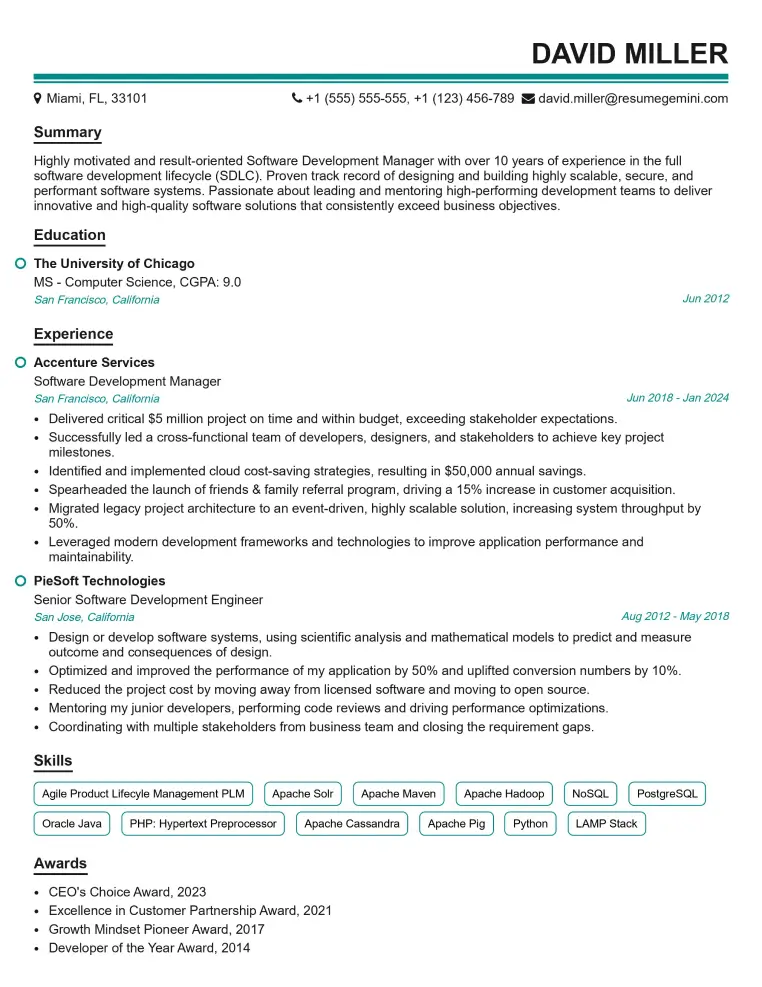
Elevate your job search with our premium resume templates. Here is an amazing resume template that can be used to build a professional and elegant resume. You can build a resume from scratch or revamp your existing resume. Impress hiring managers and secure your next opportunity.
- Top 50 Most Common Interview Questions
- The Psychology of a Great Resume: Hacks to Impress Recruiters
- What Mistakes to Avoid When Writing a Resume: A Comprehensive Guide
- Elevate Your Career with Expert Resume Building: Introducing ResumeGemini
- Crafting Your First Impression: How To Make Free Resume Online For Freshers